Tattoo Pain Chart: 15 Most and Least Painful Spots Ranked
This tattoo pain chart ranks the most common placements from least to most painful, so you can choose a spot that matches your comfort level. Every tattoo hurts a little, but placement makes a huge difference. Areas with more muscle and fat tend to hurt less, while spots with thin skin, many nerve endings or bone close to the surface usually hurt more.
Pain is personal, and your mood, sleep and even the artist's technique all play a part. Use this guide as a general map, not a promise, and talk to your artist if you are nervous.
Table of Contents
What Affects Tattoo Pain?
Several factors decide how much tattoo pain you feel in a session. Understanding them helps you plan a better experience.
- Skin thickness: thin skin over bone hurts more than thick, padded skin.
- Nerve endings: hands, feet, face and armpits are packed with nerves.
- Session length: skin gets more sensitive after a few hours.
- Style: linework feels sharp, while color packing and shading feel like burning or scraping.
- Your body: sleep, stress, food and hormones can change your pain threshold.
The Tattoo Pain Chart: Least Painful Spots
These areas have thicker skin, more muscle or fat, and fewer nerve endings. They are the best choices for a first tattoo.
- Outer forearm: thick skin and few nerves; a top pick for beginners.
- Outer upper arm and shoulder: plenty of muscle cushioning.
- Outer thigh: lots of room and generally low pain.
- Calf: good padding, though the back of the knee is much more sensitive.
- Upper back: thicker skin, great for larger pieces.
Moderately Painful Spots
These areas are very manageable for most people, but you will feel more sting near bones and thin skin.
- Inner forearm: thinner, softer skin than the outer arm.
- Inner bicep: sensitive, but short sessions are fine for most people.
- Chest: manageable on the muscle, sharper near the sternum and collarbone.
- Upper hip: depends on how close the design gets to the hip bone.
- Back of the neck: tolerable for many, but sharp near the spine.
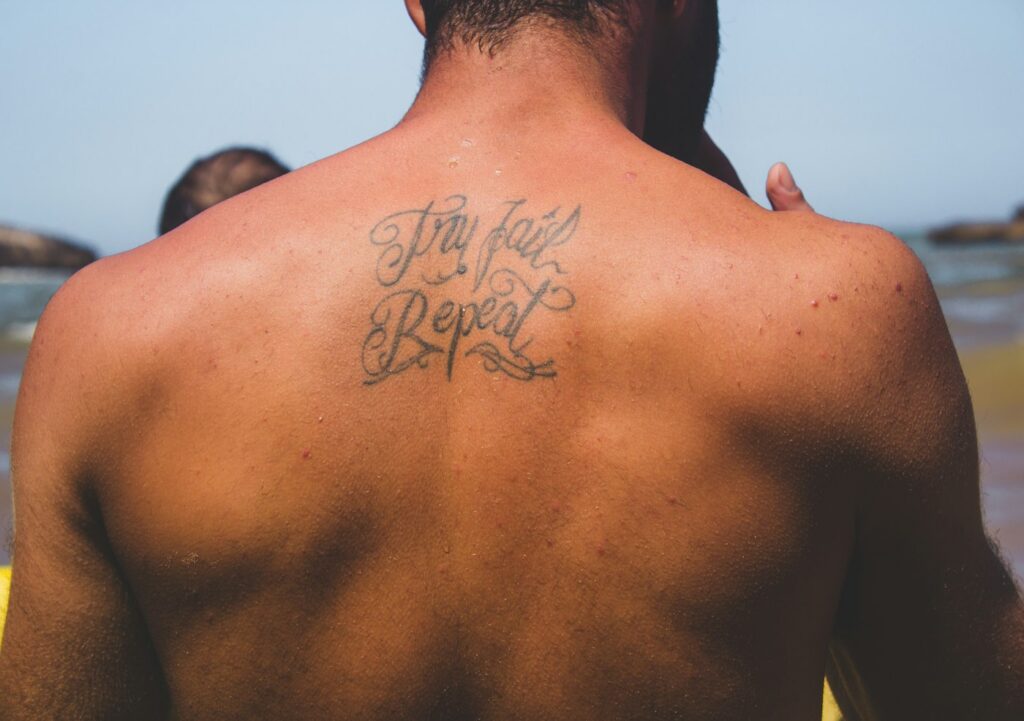
Most Painful Places to Get Tattooed
These spots top every tattoo pain chart because of thin skin, bone and dense nerves. Consider them once you know how your body reacts.
- Ribs: thin skin directly over bone, and breathing keeps the area moving.
- Sternum: bone right beneath the skin.
- Spine: many nerve endings and very little padding.
- Armpit: often rated one of the most painful spots of all.
- Hands, fingers, feet, elbows and knees: thin skin, bone and many nerves; head, face and throat belong in this group too.
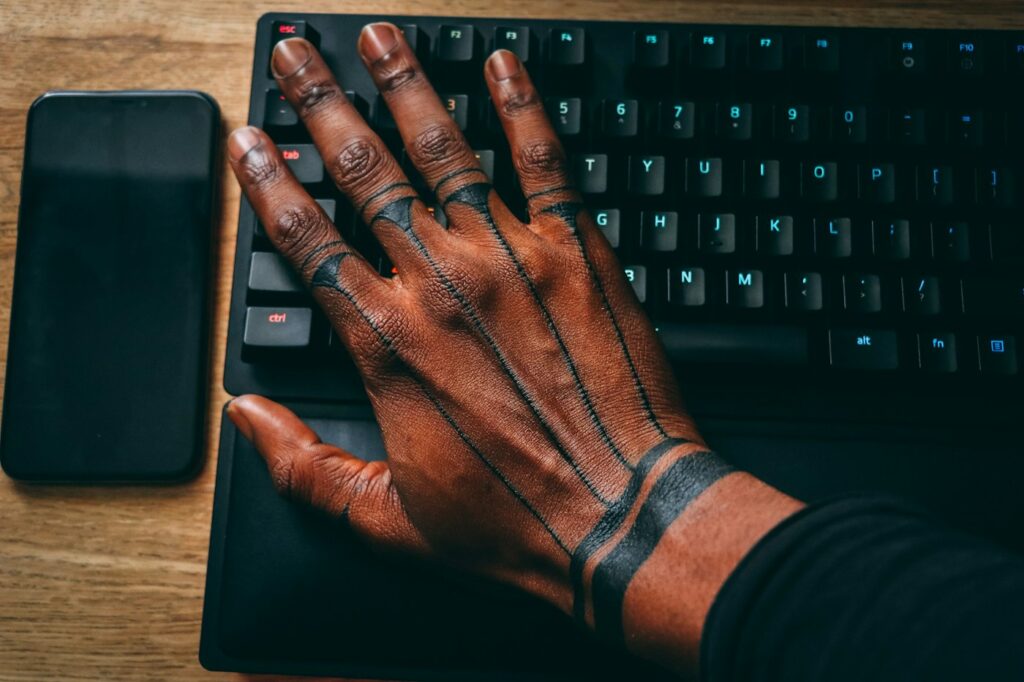
What Does Getting a Tattoo Feel Like?
Most people describe tattoo pain as a hot scratching feeling, or like a cat scratch that keeps going. Linework often feels sharper, while shading feels more like a burning or dull scrape. Over bone, you may feel a vibrating sensation.
The first 10 to 15 minutes are usually the hardest. After that, your body releases adrenaline and endorphins that take the edge off. Very long sessions can get harder again after three or four hours, which is why big pieces are split into several appointments.
Tattoo Pain for Men vs. Women
There is no clear rule that one gender handles tattoo pain better. Pain tolerance varies a lot from person to person. What matters more is placement, session length and how well rested and prepared you are. Browse our tattoo ideas for women and tattoo ideas for men to see which designs fit low-pain spots.
Tips to Make Your Tattoo Hurt Less
- Sleep well the night before your appointment.
- Eat a full meal one to two hours before the session to keep your blood sugar steady.
- Stay hydrated and bring a snack and a drink for long sessions.
- Avoid alcohol for at least 24 hours before, since it can increase bleeding.
- Breathe slowly and ask for short breaks when you need them.
- Ask your artist about numbing creams before using one; some products affect the skin and should be approved first.
- Start with a low-pain placement for your first tattoo.
- Bring distractions such as music, a podcast or a friend if the shop allows guests.
For general safety advice before and after your session, the Mayo Clinic tattoo guide is a trusted resource.
Does Healing Hurt?
Mild tattoo pain and soreness for a few days is normal, a bit like a sunburn. The peeling stage brings itching rather than pain. If pain gets worse instead of better after a few days, contact a doctor. Our tattoo aftercare guide explains what normal healing looks like.
Tattoo Pain by Style and Technique
Placement is the biggest factor in tattoo pain, but the type of work also changes how a session feels. Here is what to expect from the most common techniques.
- Linework: the outline is often the sharpest part, like a fine scratch that follows the stencil.
- Shading: usually feels duller, closer to a scrape or a warm rub, but it can build up over time.
- Color packing: the artist goes over the same area several times to saturate the skin, which can feel raw by the end.
- Fine line work: small needle groups and short sessions make it one of the gentler styles; see our fine line tattoos guide.
- Large blackwork: solid black fills cover big areas and are among the most intense sessions.
An experienced artist with a light, steady hand can make a big difference. If comfort matters to you, ask about the artist's approach during your consultation.
How to Prepare Your Mind for the Session
Nerves make tattoo pain feel worse. A calm, prepared mind lowers stress hormones and can make the sensation much easier to handle.
- Know what to expect. Watching a video of a tattoo session or talking with friends who have ink removes the fear of the unknown.
- Plan breaks. Agree with your artist on a signal for a short pause.
- Focus on breathing. Slow breaths in through the nose and out through the mouth help your muscles relax.
- Keep your body still and loose. Tensing up makes the area more sensitive and harder to tattoo.
- Remember why you are there. Picture the finished piece; the discomfort is temporary, but the art lasts for life.
Most people leave their first appointment saying it was easier than they imagined. Use this chart to choose a comfortable spot, prepare well, and you will be ready for bigger projects later. When you are ready to budget, check our tattoo cost guide.
Frequently Asked Questions
Where is the least painful place to get a tattoo?
According to most tattoo pain charts, the outer forearm, outer upper arm and outer thigh are the least painful spots.
Where does a tattoo hurt the most?
The ribs, sternum, spine, armpit, hands, feet and the areas around the elbow and knee are usually the most painful.
Do small tattoos hurt less?
They hurt for a shorter time, which makes them easier. See our small tattoo ideas for designs that work in low-pain spots.
Is tattoo pain worse than a piercing?
A piercing is a quick, sharp moment, while a tattoo is a longer, steady sensation. Many people find a small tattoo easier than they expected. Read our first tattoo tips or explore more tattoo tips.