First Tattoo Tips: 15 Best Things to Know Before You Go
These first tattoo tips will take you from a vague idea to a finished piece you love. Your first tattoo is exciting and a little nerve-racking, but a bit of planning makes the whole experience easier, safer and far more likely to end with art you are proud to show.
We grouped the advice into five stages: choosing a design, finding an artist, booking, the day of your appointment, and aftercare. Work through them in order and you will walk into the studio confident.
Table of Contents
Choosing Your First Tattoo Design
The design is where most regrets start, so give this stage the most time.
- Live with the idea first. Save the design as your phone wallpaper for a few weeks. If you still love it, it is a keeper.
- Choose a style, not just an image. Fine line, American traditional and realism look very different. Our American traditional guide and fine line guide explain two popular options.
- Do not go too small. Tiny, detailed designs can blur as ink settles over the years. Ask your artist for the smallest size that will still age well.
Need inspiration? Browse our small tattoo ideas, tattoo ideas for women and tattoo ideas for men.
Picking the Right Placement
- Think about visibility. Consider your job, your usual clothing and how often you want to see the tattoo yourself.
- Start with a low-pain area. The outer forearm, upper arm and outer thigh are the easiest spots. Our tattoo pain chart ranks every area.
Placement also affects how a design ages. Hands, fingers and feet fade faster because of friction and frequent washing, so they are not ideal for a first tattoo.
Finding the Right Artist and Shop
Your artist matters more than any other decision. A skilled artist can improve a simple idea, while a poor one can ruin a great design.
- Study portfolios. Look for clean lines, smooth shading and healed photos, not only fresh ones.
- Check licensing and hygiene. Most US states regulate tattoo artists or studios; see this overview of the legal status of tattooing in the United States. The studio should be clean, and needles should be single-use and opened in front of you.
- Read reviews on Google and social media, and ask friends with good tattoos for recommendations.
- Book a consultation. A good artist will adjust your idea to fit your body and give honest advice about size and placement.
Booking, Age Rules and Budget
- Expect a deposit. Most artists ask for a non-refundable deposit to hold your spot, usually deducted from the final price.
- Know the legal age. In most US states you must be 18, and some states allow minors only with parental consent. Bring a valid photo ID to every appointment.
- Budget for the tip. In the USA, tipping 15 to 25 percent is customary. Our tattoo cost guide explains typical prices.
Plan the date carefully. Avoid booking right before a beach vacation, a big event or a long flight, since you will need to keep the tattoo out of water and sun for a few weeks.
First Tattoo Tips for the Day of Your Appointment
- Eat, hydrate and rest. Have a full meal beforehand, drink water and skip alcohol for at least 24 hours.
- Dress for access. Wear comfortable clothes that let the artist reach the area easily, and that you do not mind getting ink on.
- Speak up. Check the stencil placement in a mirror before the needle starts, and ask for a break whenever you need one.
It is normal to feel nervous. Most people say their first tattoo hurt less than they expected, especially on a padded area like the outer arm.
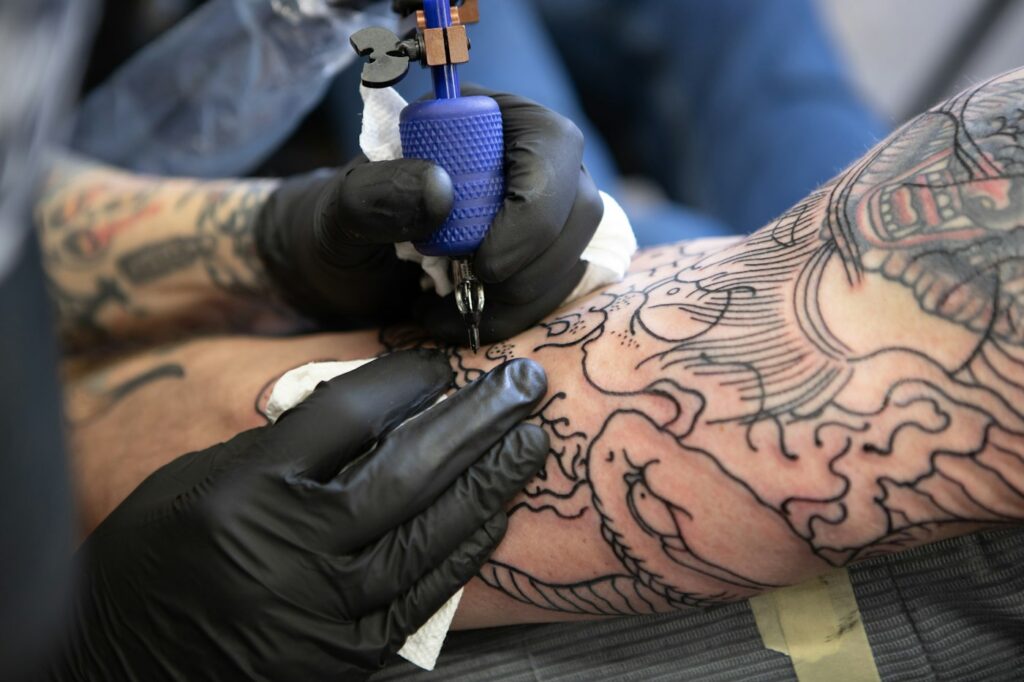
After Your First Tattoo
Follow aftercare to the letter. Healing decides how your tattoo will look for years. Wash gently, moisturize lightly, avoid soaking and sun, and never pick at flakes. Start with our day-by-day aftercare guide.
The FDA tattoo fact sheet advises contacting a health care provider if you notice signs of infection or an allergic reaction, such as spreading redness, swelling or fever.
What to Bring to Your First Tattoo Appointment
- A valid photo ID.
- Your reference images, saved on your phone.
- Cash or a card for the balance and the tip.
- Water and a small snack.
- Headphones or something to keep you distracted.
- Loose, comfortable clothes.
Flash or Custom: Which Is Better for a Beginner?
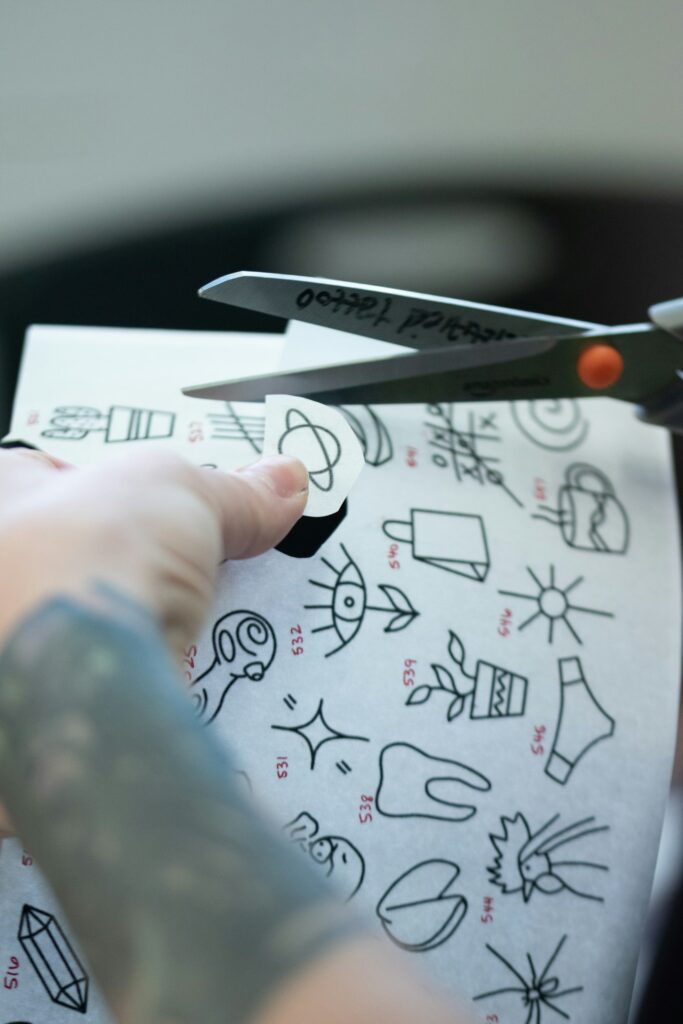
Flash designs are pre-drawn pieces hanging on the studio wall or posted on the artist's social media. They are ready to go, usually cheaper, and a great way to get a first tattoo in the artist's signature style. Many shops even host flash days with set prices.
A custom design is drawn just for you, based on your ideas and references. It takes more time and often costs more, but the result is one of a kind. If your first tattoo carries a deep personal meaning, custom is worth it. If you simply love an artist's work and want to start your collection, flash is a smart and affordable choice.
Questions to Ask Your Artist
A consultation is your chance to make sure you and your artist are on the same page. These questions help you avoid surprises.
- How long will the tattoo take, and how many sessions will it need?
- What is the total price, and how much is the deposit?
- Will you redraw my reference, and when can I see the final design?
- Is this size right for the amount of detail I want?
- How will this design look in five or ten years?
- Which aftercare products do you recommend?
- Do you offer a free touch-up if something heals unevenly?
A good artist will be happy to answer. If someone rushes you or refuses to discuss hygiene and aftercare, keep looking.
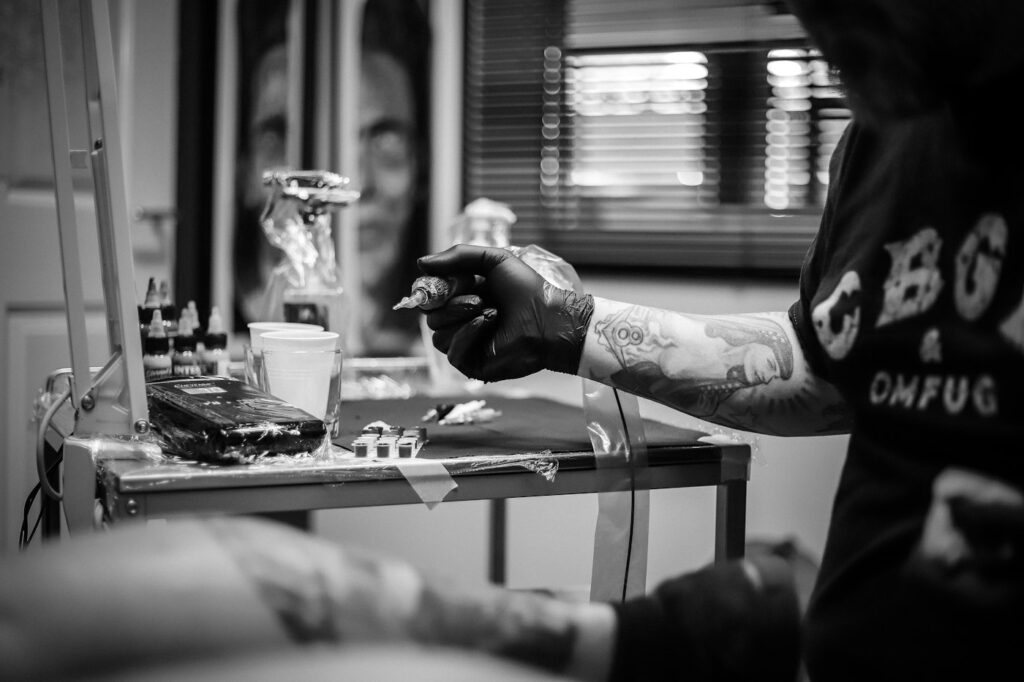
Common First Tattoo Mistakes
Almost every regret we hear about comes from a handful of mistakes. Knowing them in advance is one of the most useful first tattoo tips of all.
- Choosing the cheapest artist. A bargain tattoo can cost far more to fix or cover up.
- Copying someone else's tattoo exactly. Use references for inspiration, but ask for a custom version.
- Rushing the decision. Booking the same week you find a design leaves no time to change your mind.
- Drinking the night before. Alcohol thins the blood and makes the session harder.
- Ignoring the healing rules. Swimming, sun and picking are the fastest ways to damage a new tattoo.
- Getting a name too soon. Many artists advise waiting on a partner's name until the relationship has stood the test of time.
Take your time, do your research and trust a professional. Your first tattoo should be a great memory, not a lesson learned the hard way. If you want to share the moment with someone, look at our matching tattoo ideas.
Frequently Asked Questions
How long does a first tattoo take?
A small, simple tattoo often takes 30 minutes to an hour, including setup. Larger or more detailed designs can take several hours or multiple sessions.
Can I bring a friend to my first tattoo?
Many shops allow one guest, but space is often limited. Ask when you book.
Should my first tattoo be small?
Not necessarily, but a small or medium design in a low-pain spot is a great way to learn how your body reacts before committing to a large piece.
What is the most important of these first tattoo tips?
Choose the artist carefully. A skilled, licensed artist with a strong portfolio is the best protection against regret. Explore more tattoo tips before you book.