American Traditional Tattoos: 12 Best Classic Designs
American traditional tattoos are the designs most people picture when they think of a classic tattoo: bold black outlines, a limited palette of red, green, yellow and black, and iconic images like eagles, anchors, swallows and roses. The style was built to last, and a well-done piece still looks sharp decades after it was tattooed.
Also called old school, American traditional shaped the entire tattoo industry in the United States. In this guide you will learn where it came from, the rules that define it, the meaning of 12 classic designs, and how to plan your own piece.
Table of Contents
The History of American Traditional Tattoos
The style grew out of sailor and military tattooing in American port cities in the late 1800s and early 1900s. Tattoo shops in places like New York, San Diego and Honolulu served sailors who wanted quick, readable designs that told stories about their travels, their loves and their loyalty.
Artists painted sheets of ready-made designs called flash and hung them on shop walls, so customers could simply point and choose. That system made tattoos fast, affordable and consistent, and it helped spread the same core images across the country.
The most famous name in the style is Norman "Sailor Jerry" Collins, who tattooed in Honolulu for decades. He refined the clean lines and bright color of the style and pushed for better, safer equipment. Other pioneers such as Bert Grimm and Amund Dietzel also shaped the look that American traditional artists still follow today.

The Rules of the Style
American traditional is defined by a short list of rules. Following them is what makes the style instantly recognizable.
- Bold black outlines that keep the design readable for decades.
- A limited color palette, mainly red, green, yellow and black, sometimes with brown or blue.
- Solid color fills packed evenly into the skin.
- Simple black shading instead of soft gradients.
- Iconic, simplified imagery that reads clearly from across a room.
- Flat composition with little depth or perspective.
These rules are not only about looks. Thick lines and solid color hold their shape as skin ages, which is why many artists say bold will hold.
12 Classic American Traditional Designs and Their Meanings
Each classic design carries a meaning that goes back to sailor culture. Here are 12 of the most popular.
- Swallow: a safe return home. Sailors were said to earn a swallow for every 5,000 nautical miles traveled.
- Anchor: stability, staying grounded and a steady mind.
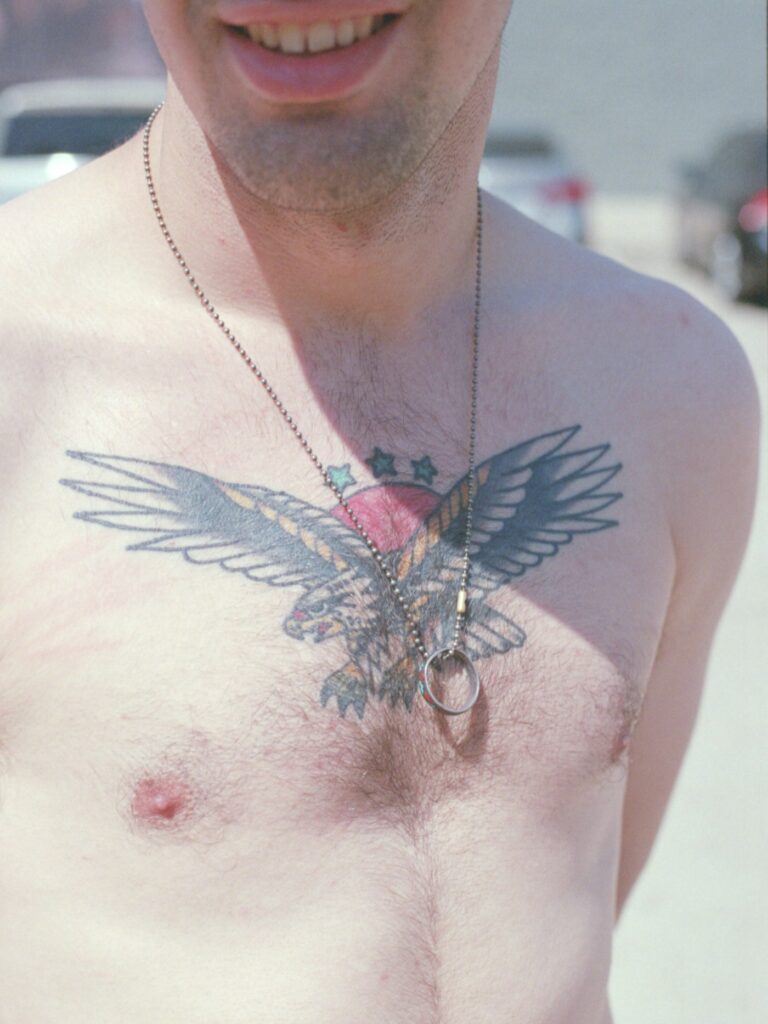
- Eagle: freedom, strength and American pride.
- Rose: love and beauty, often with thorns for pain; see our rose tattoo meaning guide.
- Dagger: courage, sacrifice or betrayal.
- Panther: strength, fearlessness and power.
- Ship: adventure, travel and finding your way.
- Pin-up girl: a nod to the classic 1940s aesthetic and a loved one back home.
- Skull: mortality and living without fear.
- Snake: danger and rebirth, often coiled around a dagger; see our snake tattoo meaning guide.
- Heart with banner: devotion, usually with a name or the word Mom.
- Tiger: power, courage and protection.
Why People Still Love American Traditional
The biggest reason is longevity. Bold lines and solid color stay readable as the skin changes, while very fine or highly detailed tattoos can blur over time. A traditional swallow from the 1950s can still look crisp today.
American traditional is also versatile. It works at almost any size, from a tiny swallow on the hand to a full patchwork sleeve, and it pairs well with other traditional pieces added years later. Many collectors love that each design can be finished in a single session.
Traditional vs. Neo-Traditional
Neo-traditional tattoos keep the bold outlines of the classic style but add a wider color palette, more detail, varied line weights and decorative elements such as jewels and ornate frames. Faces, animals and flowers often look more dimensional.
If you love the classic look but want something more ornate, neo-traditional is a great middle ground. If you want maximum longevity and a true vintage feel, stick with pure traditional.
Placement Ideas for Traditional Pieces
- Forearm and upper arm: the classic spots for single flash pieces.
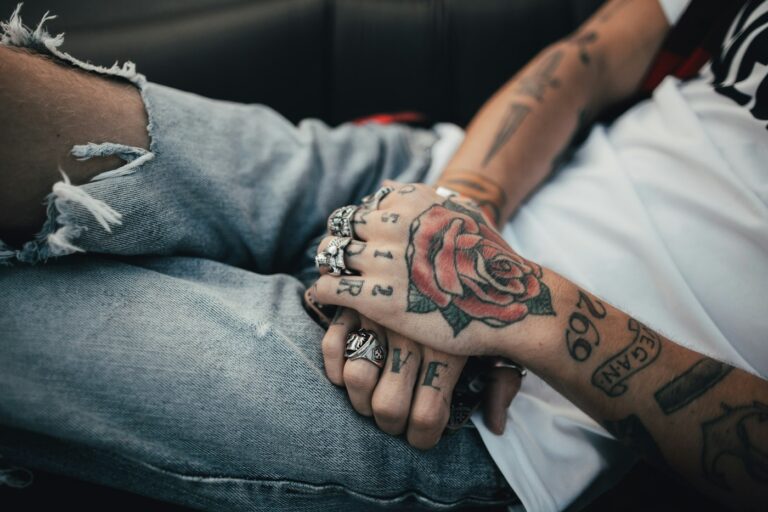
- Hands: small swallows and roses stay readable thanks to bold lines.
- Chest: a large eagle or ship spanning both sides.
- Calves and shins: ideal for panthers, daggers and pin-ups.
- Patchwork sleeve: many small designs with skin showing between them.
Before choosing, compare pain levels in our tattoo pain chart.
How Much Do American Traditional Tattoos Cost?
Because flash designs are already drawn, they are often quicker and more affordable than custom work. In the USA, a small flash piece often costs between $80 and $250, while larger custom chest or back pieces are priced by the hour. Some shops hold flash days with pre-drawn designs at a set price. Our tattoo cost guide explains typical rates.
Finding a Traditional Tattoo Artist
- Look for portfolios with clean, steady outlines and even, solid color.
- Ask to see healed work, not only fresh photos.
- Check whether the artist paints original flash, a sign of a true specialist.
- Make sure the studio is licensed and follows strict hygiene.
The Color Palette Explained
Early tattooers worked with only a handful of reliable pigments, which is why the classic palette is so limited. Today there are hundreds of colors available, but the best American traditional artists still choose the same core shades on purpose, because they create maximum contrast and stay bright for years.
- Black: the backbone of every design, used for outlines and shading.
- Red: roses, hearts, lips and flames; the most iconic color of the style.
- Green: leaves, snakes and backgrounds.
- Yellow: highlights, sun rays and details that make a design pop.
- Brown and blue: used more sparingly for eagles, water and clothing.
Skin tone also matters. On deeper skin tones, artists often use more black and red and fewer pale colors, so every part of the design stays readable. A good artist will adjust the palette to your skin rather than forcing a one-size-fits-all approach.
Building a Patchwork Sleeve
One of the most popular ways to wear American traditional work is the patchwork sleeve: a collection of separate designs placed around the arm with skin showing between them. It grows over time, often with pieces from different artists, trips and life moments.
- Start with an anchor piece. Put a larger design in a prominent spot, such as the outer forearm or upper arm.
- Plan the gaps. Leave room for future designs so the sleeve feels balanced.
- Mix sizes. Combine large pieces with small fillers such as stars, dots and tiny roses.
- Keep the style consistent. Bold lines and a similar palette tie everything together.
Patchwork sleeves are also a great way to collect work from traveling artists and guest spots. Each piece becomes a memory of a place and a person. For aftercare between sessions, follow our tattoo aftercare guide.
Frequently Asked Questions
Do American traditional tattoos age well?
Yes. The bold outlines and solid color were designed to hold up over time, which makes this one of the longest-lasting tattoo styles.
Can I get a traditional tattoo in black and grey?
Yes. Many classic designs look great in black and grey, especially skulls, daggers and ships.
Is American traditional good for a first tattoo?
American traditional is a great choice. Flash pieces are quick, readable and affordable. Read our first tattoo tips and explore more tattoo styles before you book.