Tattoo Cost in 2026: Complete USA Price Guide and Best Tips
Tattoo cost in the United States varies widely, from a $60 minimum for a tiny symbol to several thousand dollars for a full sleeve. Knowing the typical ranges helps you budget, compare artists fairly and avoid surprises on the day of your appointment.
The numbers below are general estimates based on common pricing in American studios. Every artist sets their own rates, so always confirm the final quote during your consultation.
Table of Contents
Average Tattoo Cost by Size
Size is the easiest way to estimate a price, because larger pieces take more time, more ink and more supplies.
- Tiny or small tattoo (up to about 2 inches): roughly $50 to $250.
- Medium tattoo (palm-sized): roughly $200 to $500.
- Large tattoo (forearm or calf piece): roughly $400 to $1,200.
- Half sleeve: roughly $800 to $2,500.
- Full sleeve: roughly $1,500 to $5,000 or more.
- Back piece: often $2,000 to $6,000 or more, over several sessions.
If you are leaning toward something small, browse our small tattoo ideas for designs that fit a lower budget.
Hourly Rates and Shop Minimums
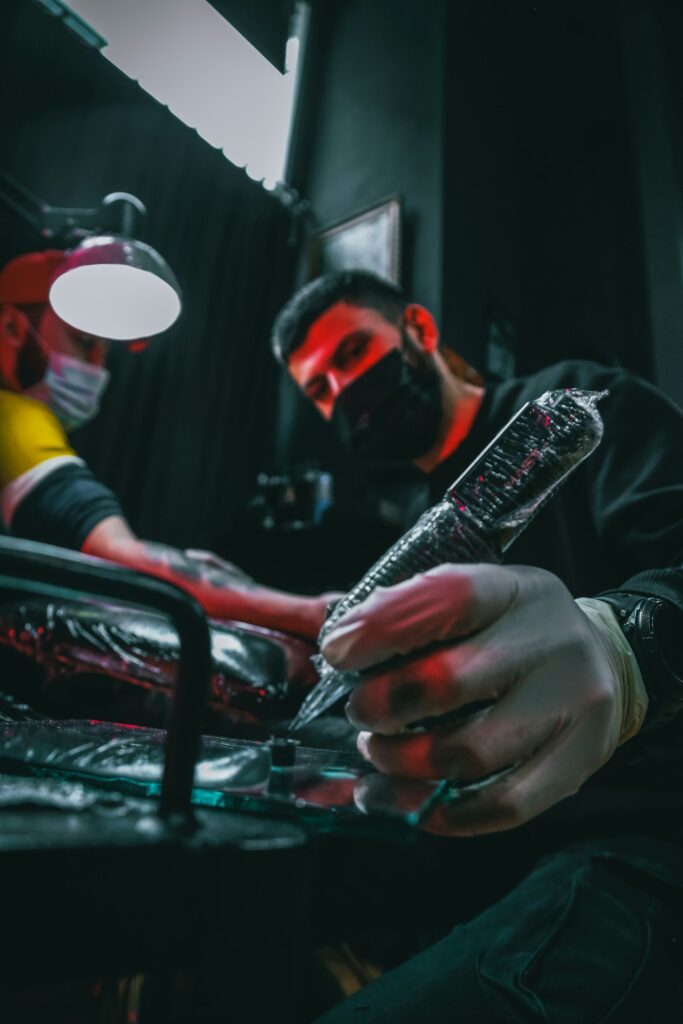
Many American artists charge by the hour, commonly between $100 and $250. Well-known artists in major cities can charge $300 or more per hour, and some top names have waitlists that stretch for months.
Almost every shop also has a minimum charge, usually $50 to $150. It covers setup, single-use needles, ink, gloves and sterilization, even for the smallest tattoo. That is why two tiny tattoos done separately often cost more than one slightly larger design.
Some artists quote a flat price per piece instead, which is common for flash designs. For long sessions, a day rate is also popular, typically covering five to seven hours of work.
What Affects Tattoo Prices?
Two tattoos of the same size can have very different prices. These are the main factors that push the number up or down.
- Detail and complexity: realism, portraits and intricate linework take more hours.
- Color vs. black and grey: color work often takes longer to pack evenly.
- Placement: ribs, hands, necks and feet are harder to tattoo and may cost more.
- Artist experience and demand: in-demand artists charge higher rates.
- Location: studios in cities like New York, Los Angeles and Miami usually cost more than shops in smaller towns.
- Custom design: original artwork takes drawing time, while flash is ready to go.
- Cover-ups and reworks: fixing an old tattoo takes extra planning and skill.
Tattoo Cost by Style
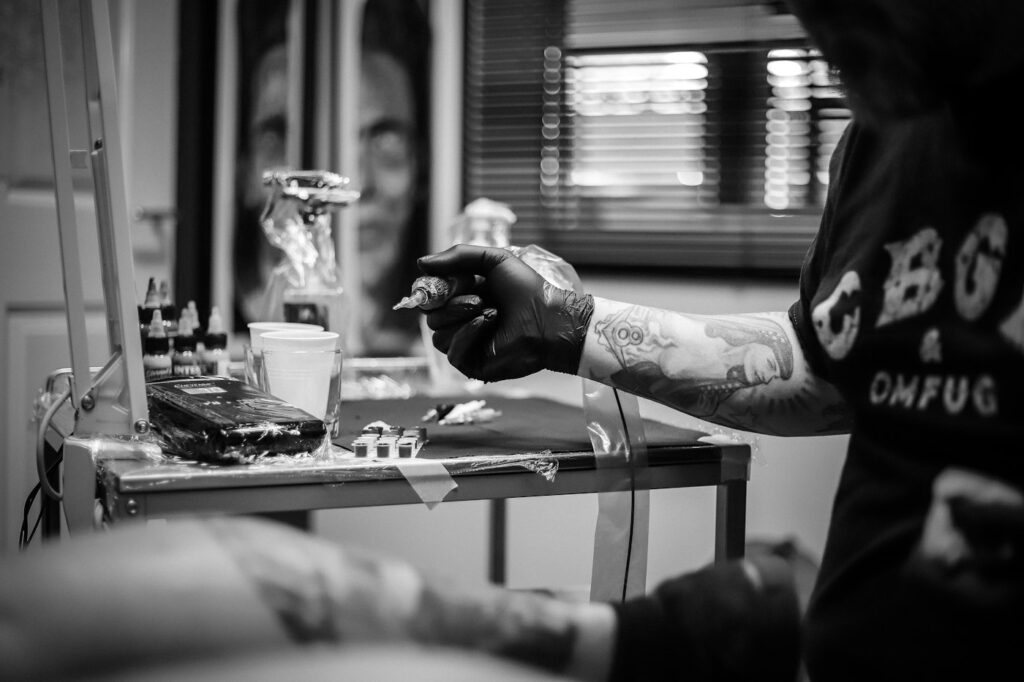
Style has a big impact on the final bill, mostly because it changes how long the session lasts.
- Fine line: often priced near the shop minimum for small designs; see our fine line tattoos guide.
- American traditional flash: quick and affordable thanks to pre-drawn designs; read our American traditional tattoos guide.
- Realism and portraits: among the most expensive, since every detail matters.
- Japanese large-scale work: billed over many sessions for sleeves and back pieces.
How Much Should You Tip a Tattoo Artist?
In the USA, tipping your tattoo artist is customary. A tip of 15 to 25 percent of the total price is standard, similar to other personal services. For multi-session pieces, many clients tip at the end of each session. Cash is often preferred, but many studios accept tips by card or app.
Deposits, Consultations and Touch-Ups
Most artists require a non-refundable deposit to book, typically $50 to $200. It is usually deducted from the final price. If you cancel late or miss the appointment, you normally lose the deposit.
Many studios offer a free consultation to discuss the design, placement and price. Many also offer a free touch-up within a few months if parts of the tattoo heal unevenly, as long as you followed the aftercare instructions. Our tattoo aftercare guide helps you avoid needing one.
Hidden Costs to Plan For
- Aftercare products: fragrance-free soap and ointment or lotion, usually $10 to $30.
- Numbing cream: only with your artist's approval.
- Travel: if you book an artist in another city.
- Sunscreen: needed for life to keep your tattoo bright.
- Future touch-ups: fine line and finger tattoos often need them sooner.
How to Save Money Without Cutting Corners
- Choose a flash design from the artist's sheet instead of a fully custom piece.
- Watch for flash days, when shops offer pre-drawn designs at a set price.
- Go slightly bigger and simpler rather than tiny and detailed.
- Combine small ideas into one session to avoid paying the minimum twice.
- Never choose an artist on price alone. A cheap tattoo can cost far more to cover up or remove.
Safety should never be the place you save. The Mayo Clinic recommends choosing a reputable, licensed studio that uses sterile, single-use equipment. Licensing rules differ by state; the overview of the legal status of tattooing in the United States is a helpful starting point.
Sample Tattoo Prices for Popular Designs
To make these ranges more concrete, here are typical tattoo prices for designs people ask about most often in American studios. Treat them as ballpark figures and use them to set a realistic budget before your consultation.
- Small script word on the wrist: about $60 to $150.
- Fine line flower on the forearm: about $150 to $350.
- Matching small tattoos for two people: about $100 to $300 in total; see our matching tattoo ideas.
- Color rose on the upper arm: about $200 to $450; see our rose tattoo meaning guide.
- Traditional eagle across the chest: about $800 to $2,000.
- Realistic pet portrait: about $400 to $1,000 depending on size.
Prices climb quickly with realism, color and size, while simple black linework stays closer to the minimum. When comparing quotes, look at the artist's healed work, not just the number.
Tattoo Cost by Placement
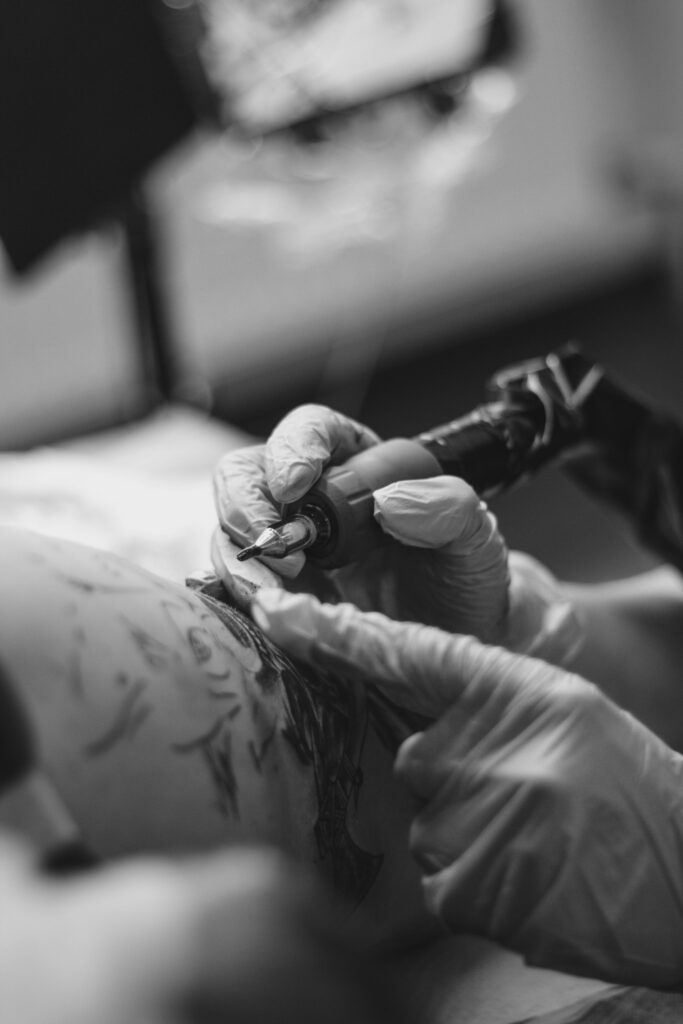
Where you put a tattoo affects how long it takes and how hard it is to do well. Flat, stable areas like the outer forearm and upper arm are the easiest to tattoo, so they usually keep the tattoo cost lower. Curved, stretchy or bony areas take more time and control.
- Forearm, upper arm and calf: standard pricing.
- Ribs and stomach: skin stretches and moves with breathing, so sessions run longer.
- Hands, fingers and feet: thin skin and frequent touch-ups add to the long-term cost.
- Neck and face: many artists charge more and some will only tattoo clients with other work already.
Placement also changes how painful the session feels; see our tattoo pain chart before you decide.
Frequently Asked Questions
How much does a small tattoo cost in the USA?
Most small tattoos cost between $50 and $250, depending on the shop minimum, the city and the level of detail.
Why is the tattoo cost so different between artists?
Experience, demand, location and specialty all affect rates. A well-known specialist with a long waitlist will charge more than a newer artist.
Is the tip included in the quote?
No. Quotes usually cover the tattoo only, so plan an extra 15 to 25 percent for the tip.
Can I negotiate tattoo prices?
Haggling is generally considered rude. Instead, ask how to adjust the size or detail to fit your budget. Planning your first piece? Read our first tattoo tips and more tattoo tips.