Fine Line Tattoos: 20 Beautiful Ideas and How They Age
Fine line tattoos use thin, precise lines to create delicate, minimal designs that look almost like drawings on the skin. The style exploded in popularity thanks to studios in Los Angeles and New York and a wave of artists sharing their work on Instagram. Today it is one of the most requested styles in the USA, especially for first tattoos and small pieces.
In this guide you will learn what makes the style unique, 20 ideas to inspire you, where fine line work holds up best, how it ages, and how to choose the right artist.
Table of Contents
What Are Fine Line Tattoos?
Fine line work is done with very small needle groupings, sometimes a single needle, to create crisp, thin lines and soft, subtle shading. Designs are usually black or grey, with little or no color, and they rely on clean composition rather than bold fills.
The look is elegant and understated, which is a big part of its appeal. Compared with the heavy outlines of American traditional tattoos, fine line pieces feel light and personal, almost like jewelry. For a broader history of tattooing styles, the Wikipedia overview of the tattoo is a helpful read.
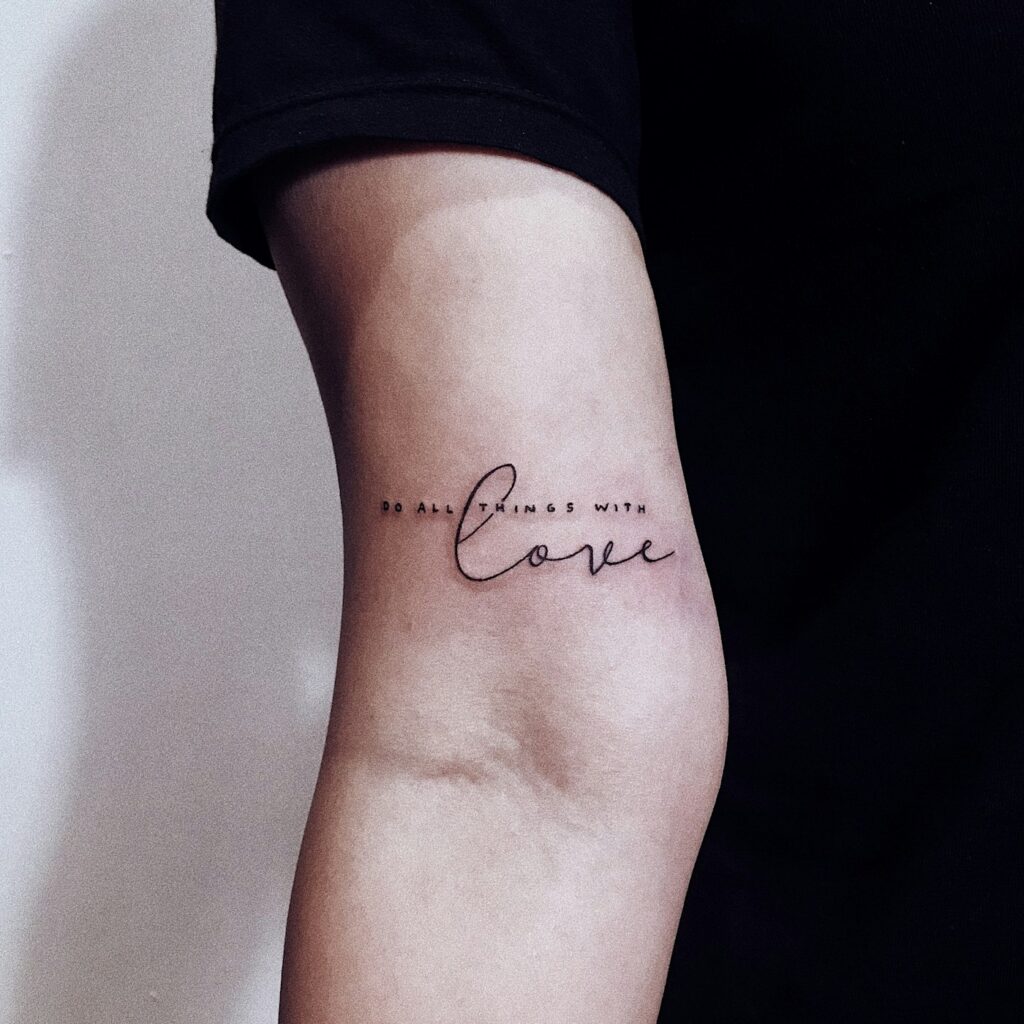
20 Beautiful Fine Line Tattoo Ideas
Nature and botanical ideas
- Olive branch: peace and new beginnings along the forearm.
- Lavender sprig: calm and healing on the ankle.
- Wildflower bouquet: an airy cluster on the shoulder blade.
- Single rose: timeless love; see our rose tattoo meaning guide.
- Fern leaf: growth and resilience down the ribs.
- Mountain outline: adventure on the inner arm.
- Ocean wave: freedom and calm on the wrist.
Celestial and symbolic ideas
- Crescent moon: cycles and quiet strength.
- Constellation: your zodiac sign in tiny dots and lines.
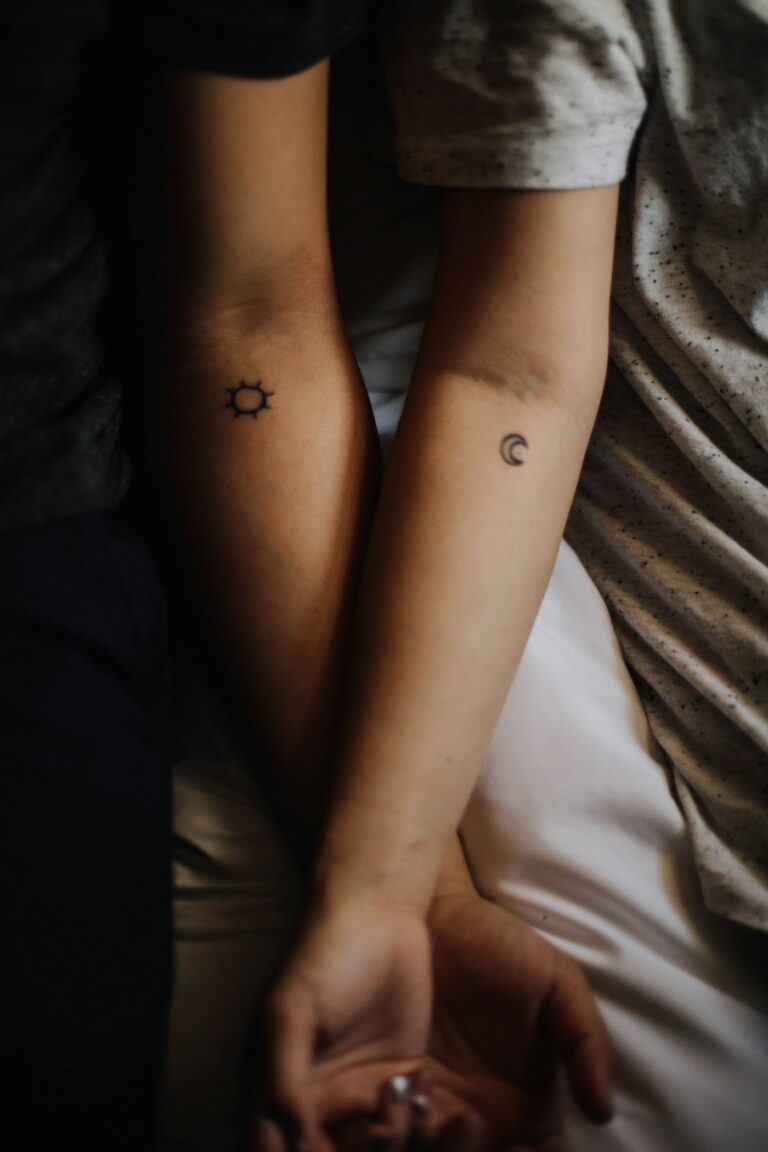
- Sun and moon pair: balance, often shared as a matching tattoo.
- Tiny star: hope and guidance behind the ear.
- Evil eye: protection in a minimal outline.
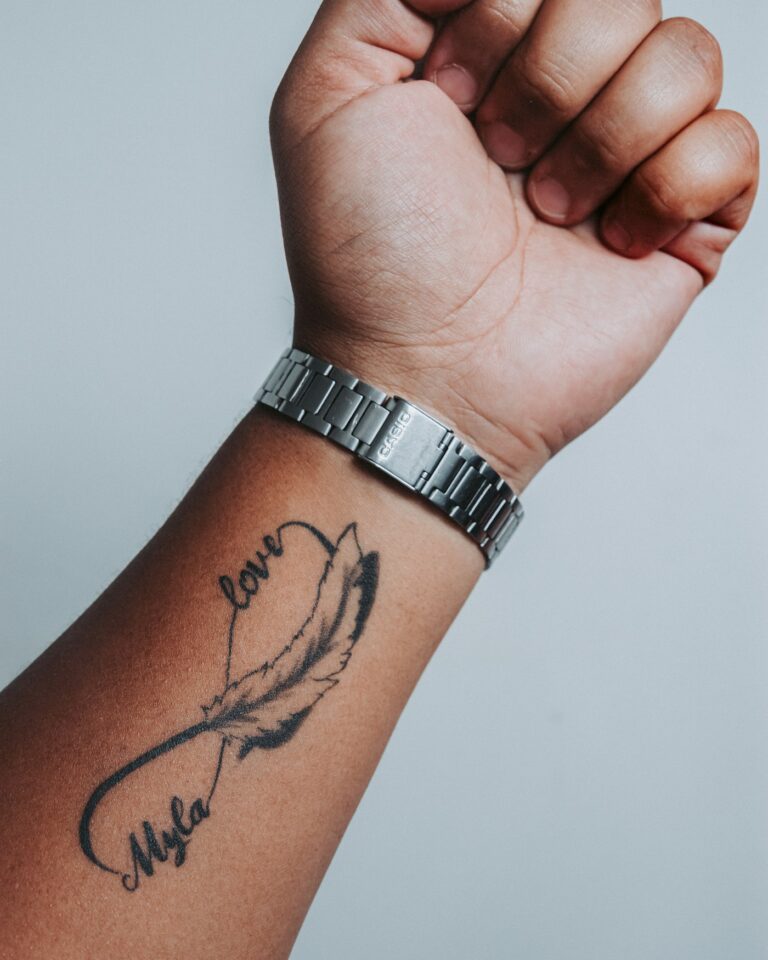
- Infinity sign: endless love or friendship.
Lettering, portraits and animals
- Handwritten word: copied from a card by someone you love.
- Roman numeral date: a birthday or anniversary on the collarbone.
- Single-line face: a continuous-line portrait on the upper arm.
- Butterfly: transformation and lightness.
- Hummingbird: joy and energy.
- Snake: rebirth wrapping around the arm; see our snake tattoo meaning guide.
- Micro-realism pet portrait: a tiny, detailed tribute to a beloved animal.
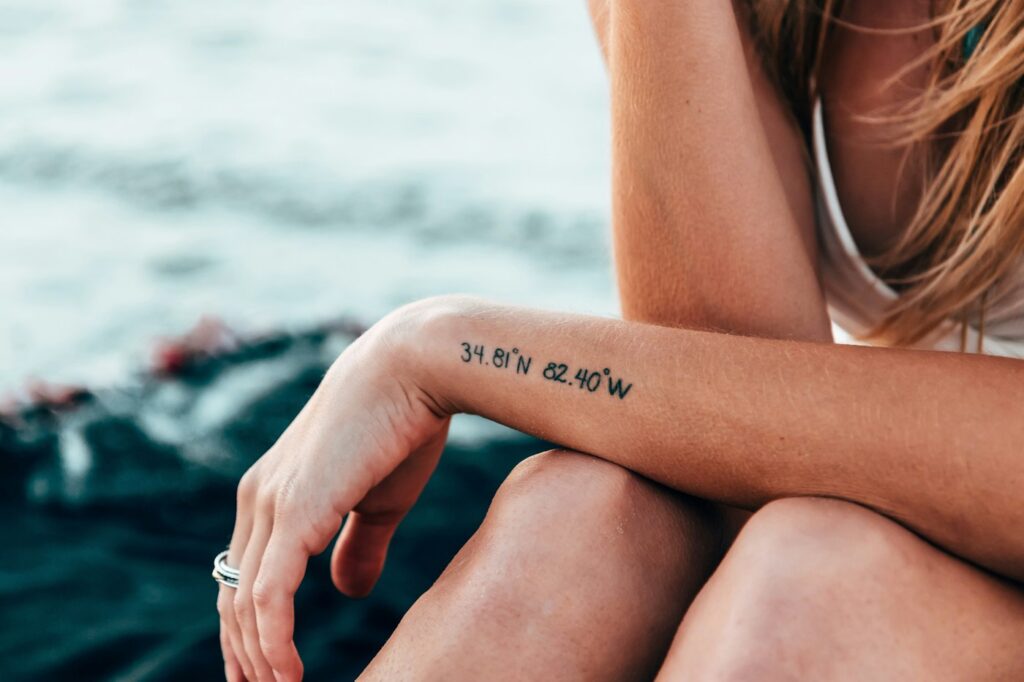
Best Placements for Fine Line Work
Fine line work holds up best on areas with stable, low-friction skin. Good choices include the inner forearm, upper arm, shoulder blade, collarbone, ribs, back of the neck and ankle.
Hands, fingers, feet and lips experience a lot of friction and fast skin turnover, so delicate lines there tend to fade and blur quickly. If you love a finger design, expect regular touch-ups. For pain levels by area, see our tattoo pain chart.
Do Fine Line Tattoos Age Well?
This is the most important question to ask before you book. Over the years, ink naturally spreads a little under the skin. With bold tattoos that barely matters, but with thin lines it can soften details and make lines look fuzzy.
Well-planned fine line tattoos can still look great for many years. These habits make the biggest difference:
- Choose a design that is not too tiny for its level of detail.
- Leave breathing room between lines and letters.
- Protect healed tattoos with sunscreen; the Skin Cancer Foundation recommends broad-spectrum SPF 30 or higher.
- Plan for a touch-up after a few years if lines soften.
- Follow a careful tattoo aftercare routine while healing.
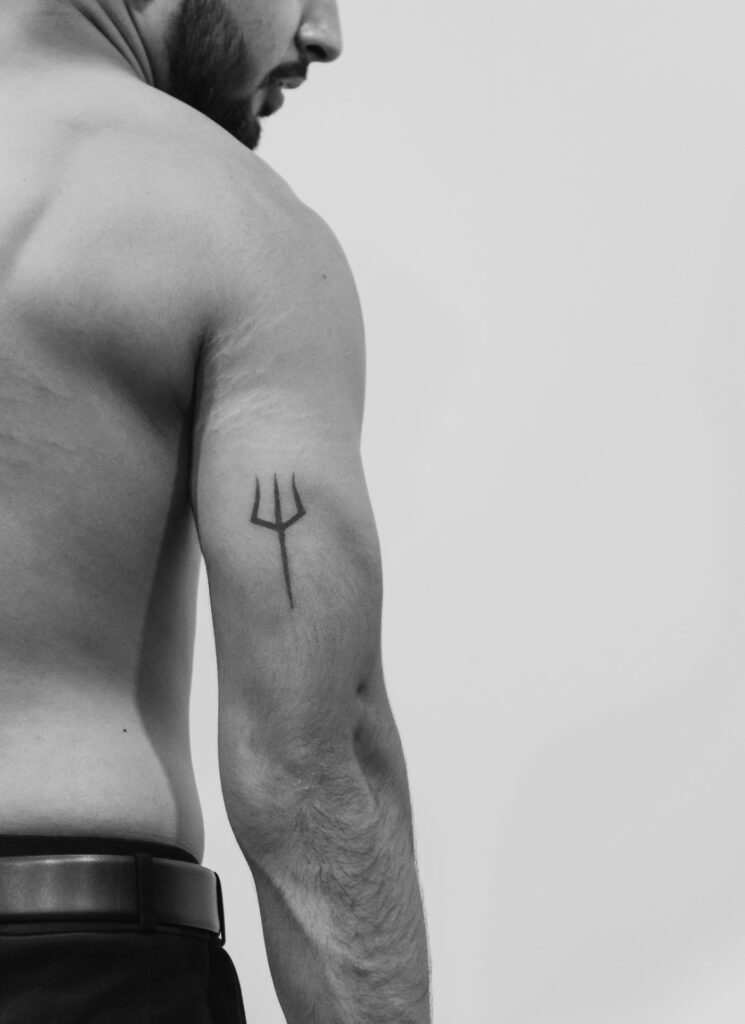
How Much Do Fine Line Tattoos Cost?
Small fine line pieces are often priced close to the shop minimum, usually $80 to $250 in the USA. Detailed micro-realism and larger compositions cost more and may be billed by the hour. Specialists are in high demand, so booking can take weeks or months. Our tattoo cost guide covers typical rates.
Choosing a Fine Line Artist
Not every great tattooer specializes in this style. Thin lines leave no room for error, so choose carefully.
- Look for healed fine line pieces in the portfolio, not just fresh photos.
- Check that lines are steady, even and free of blowouts, the blurry halos that appear when ink goes too deep.
- Ask how the artist adapts designs to age well.
- Make sure the studio is licensed and follows strict hygiene.
Single Needle, Micro-Realism and Related Techniques
Several techniques sit under the same delicate umbrella, and knowing the difference helps you ask for exactly what you want.
- Single needle: the artist uses one needle for ultra-thin lines. It creates a very soft, sketch-like look, but it needs an expert hand and careful placement.
- Micro-realism: tiny, highly detailed images such as portraits, pets or landscapes. It looks incredible when fresh and works best at a slightly larger size so details survive the years.
- Minimal blackwork: simple shapes and symbols with a bit more line weight, a great middle ground between delicate and bold.
- Dotwork shading: soft gradients built from tiny dots instead of solid shading.
- Script: lettering in handwriting or typewriter fonts, one of the most requested delicate designs.
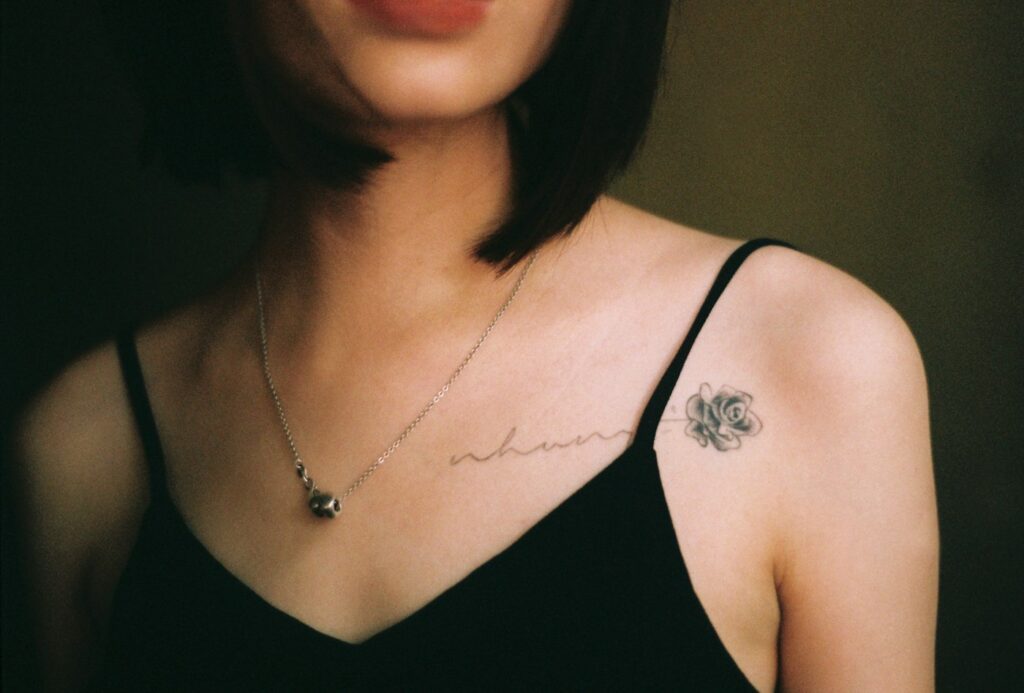
Design Tips From Tattoo Artists
Artists who specialize in delicate work often share the same advice with new clients. Following it will help your piece look clean on day one and years later.
- Size up slightly. A design that looks perfect at one inch may need to be one and a half inches to stay readable.
- Simplify details. Remove tiny elements that will merge together as the skin ages.
- Follow the body. Placing a design along a natural curve, like the collarbone or spine, makes it look intentional.
- Avoid tight lettering. Give each letter enough space so words do not turn into a blur.
- Think about skin tone. On deeper skin tones, slightly bolder lines can improve contrast and longevity.
Bring several references to your consultation, but let the artist draw the final version. Their experience with how ink behaves in skin is the best guarantee of a result you will love for a long time. Planning a design with a partner or friend? Browse our matching tattoo ideas for delicate pairs.
Preparing for Your Appointment
Delicate work needs calm, steady conditions. Get a good night of sleep, eat a full meal, avoid alcohol and caffeine overload, and arrive with moisturized, unshaven skin unless your artist says otherwise; the artist will shave the area safely. Wear clothing that gives easy access to the spot, and plan the date so you can avoid swimming and strong sun for a few weeks afterward.
Frequently Asked Questions
Do fine line tattoos hurt less?
Many people find them gentler because sessions are short and the needle groups are small. Placement still matters most.
How long do fine line tattoos last?
With good placement, aftercare and sun protection, they can look crisp for many years, although most will soften a bit over time.
Are fine line tattoos good for a first tattoo?
Yes. They are subtle, quick and usually affordable. Read our first tattoo tips and browse more tattoo styles before you book.