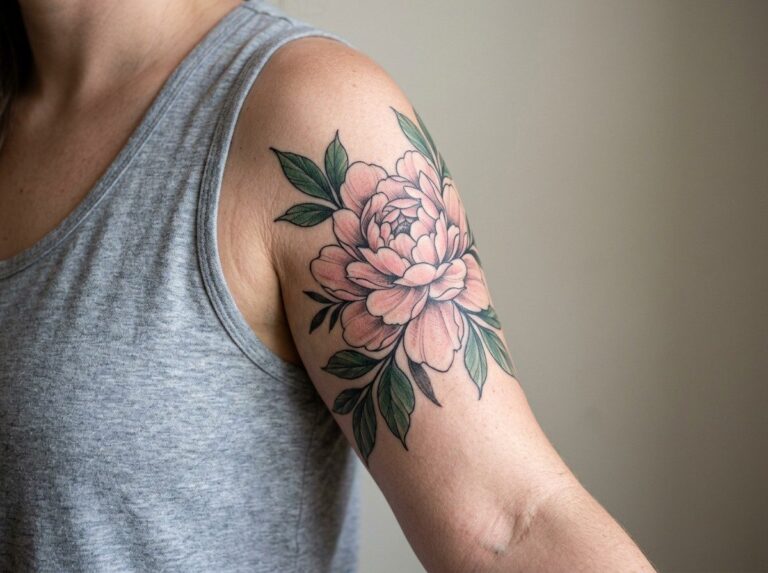
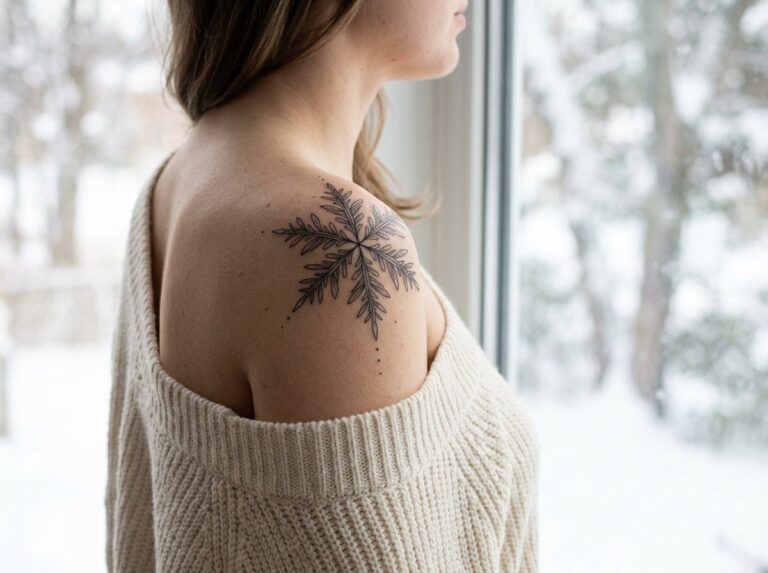
Arm Tattoos for Men: 12 Bold Designs and Placement Tips
Arm tattoos for men are the most popular tattoos in America, and it is easy to see why. The arm is a big, visible canvas that shows off your style in a T-shirt, stays hidden under a long sleeve when you need it to, and ranks among the least painful places to get inked. Whether you want one small piece on the bicep or a full sleeve from shoulder to wrist, the arm gives you room to grow.
In this guide you will find 12 bold designs shown on real arms, a zone-by-zone placement guide, the best styles for men, a plan for building a sleeve, and honest answers about pain, cost and healing.
Table of Contents
Why Arm Tattoos for Men Are So Popular
- Visibility on your terms: show it in short sleeves, cover it for work.
- Lower pain: the outer arm has thicker skin and more muscle than most areas.
- Room to grow: one piece can become a quarter, half or full sleeve.
- Flatters the build: designs follow the shape of the shoulder, bicep and forearm.
- Easy aftercare: you can see and reach it to clean and moisturize.
Arm Tattoo Placement Guide for Men
The arm is really several different placements, each with its own look and pain level (1 is mild, 10 is intense).
- Outer upper arm and bicep (pain 3 to 4): the classic first tattoo spot, great for medium pieces.
- Inner bicep (pain 6 to 7): soft, sensitive skin, but more private.
- Tricep (pain 3 to 4): a flat area for larger designs that show from behind.
- Shoulder cap (pain 4 to 5): wraps the deltoid and connects to the chest or back.
- Elbow and ditch (pain 7 to 9): the hardest part of any sleeve; plan it with your artist.
- Outer forearm (pain 3 to 4): the most visible spot; see our forearm tattoo ideas for guys.
- Inner forearm and wrist (pain 5 to 6): ideal for script and small symbols.
For a full body comparison, see our tattoo pain chart.
Sleeve Sizes Explained
- Quarter sleeve: shoulder to mid upper arm, usually hidden by a T-shirt.
- Half sleeve: shoulder to elbow, or elbow to wrist for a lower half sleeve.
- Three quarter sleeve: shoulder to mid forearm.
- Full sleeve: shoulder to wrist, one connected design.
12 Arm Tattoos for Men With Photos
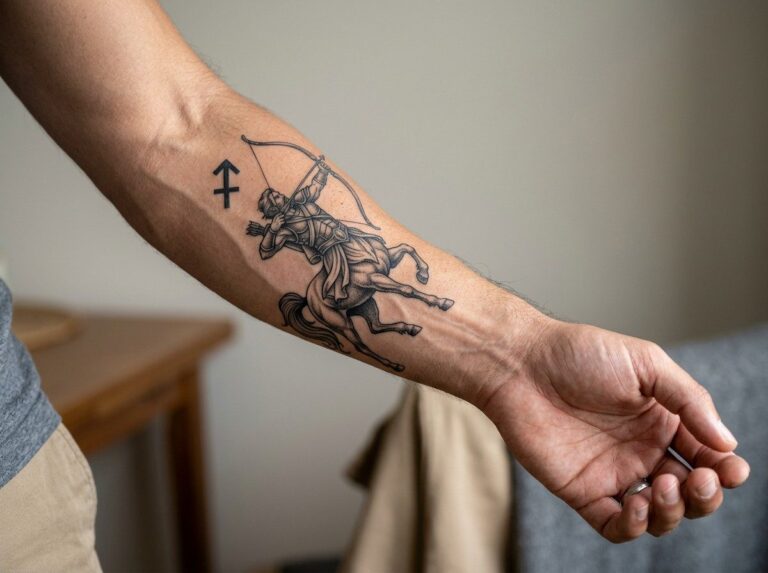
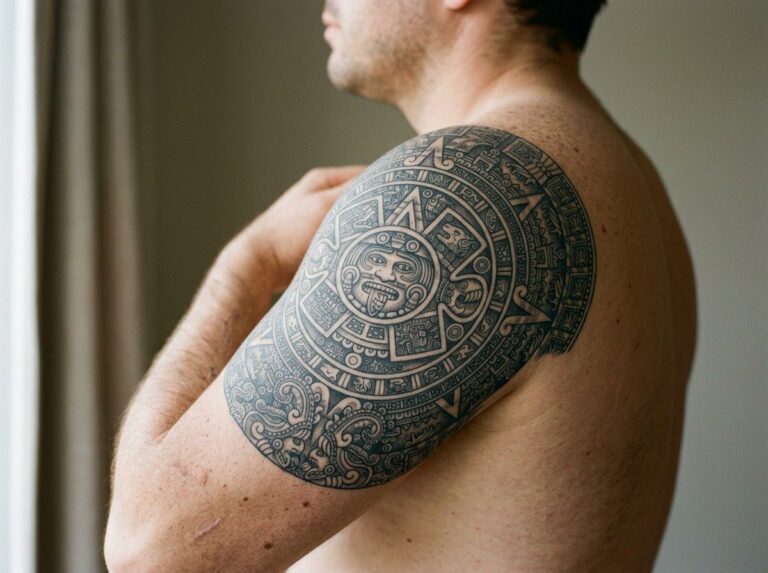
Each design below is shown on a real arm, so you can judge size, style and placement before you book.
1. American Traditional Skull Sleeve
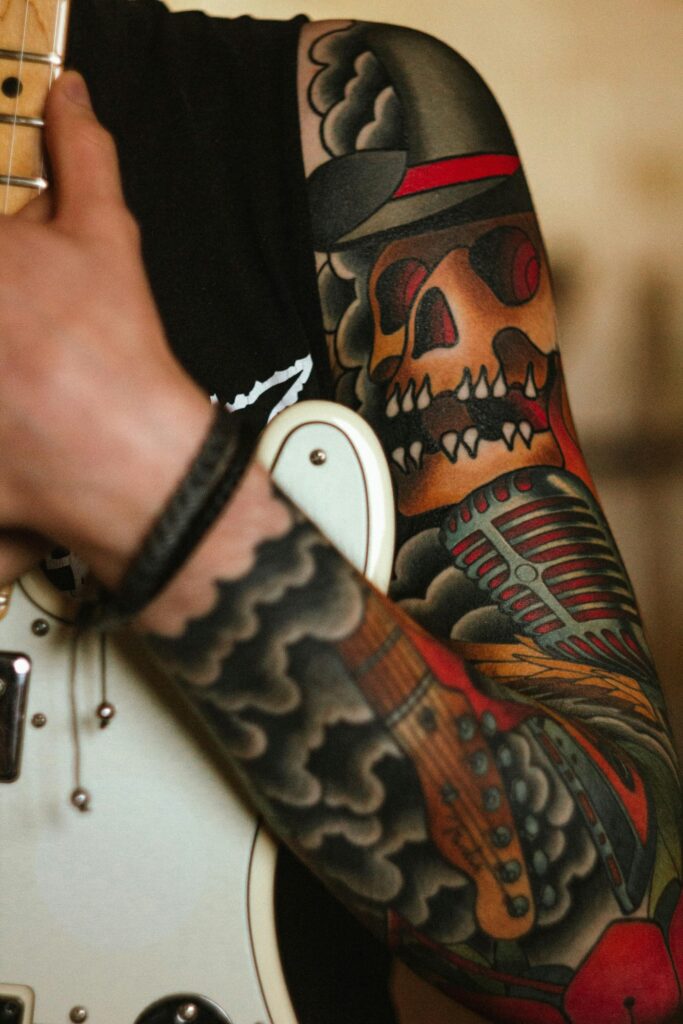
Bold black outlines, a limited palette of red, yellow and green, and classic flash imagery like skulls, daggers and roses make American traditional one of the best styles for a man's arm. The designs read clearly from across a room and hold their color for decades. Learn the history in our American traditional tattoos guide.
2. Traditional Patchwork Arm
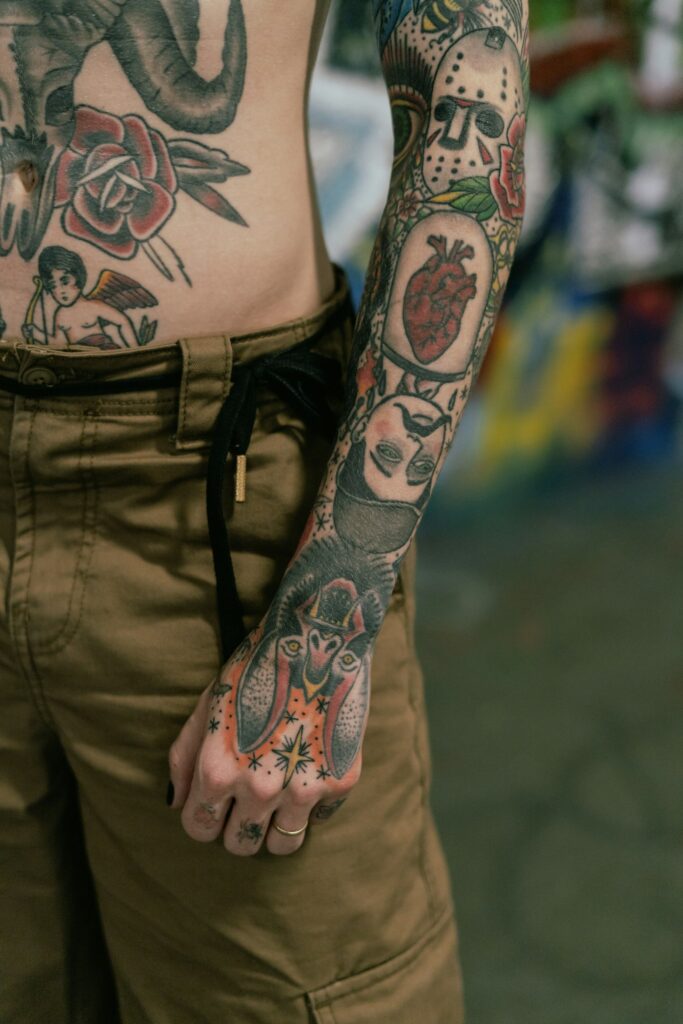
Patchwork means collecting separate small pieces over time, with skin showing between them. It is perfect if you like many different symbols and do not want to commit to one big theme. Many men start with one piece on the outer forearm and keep adding until the arm is full.
3. Full Color Sleeve
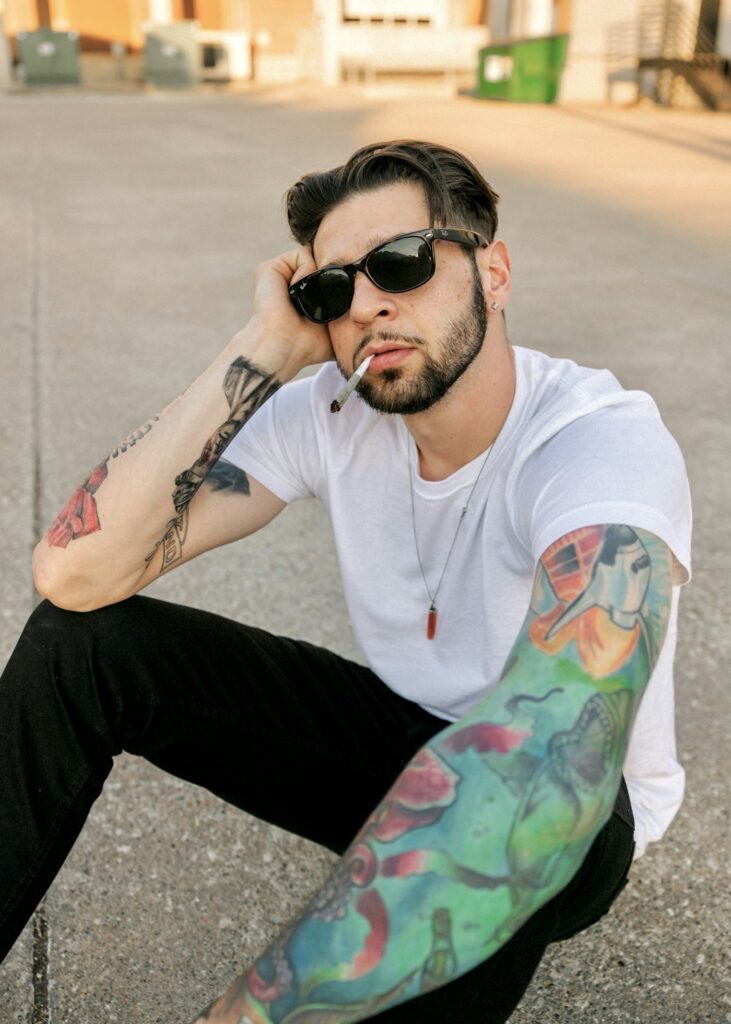
A full color sleeve turns the whole arm into a single artwork. Bright pieces like this take many sessions and careful planning so each element flows into the next, but the result is a true statement piece. Protect color work from the sun to keep it vivid.
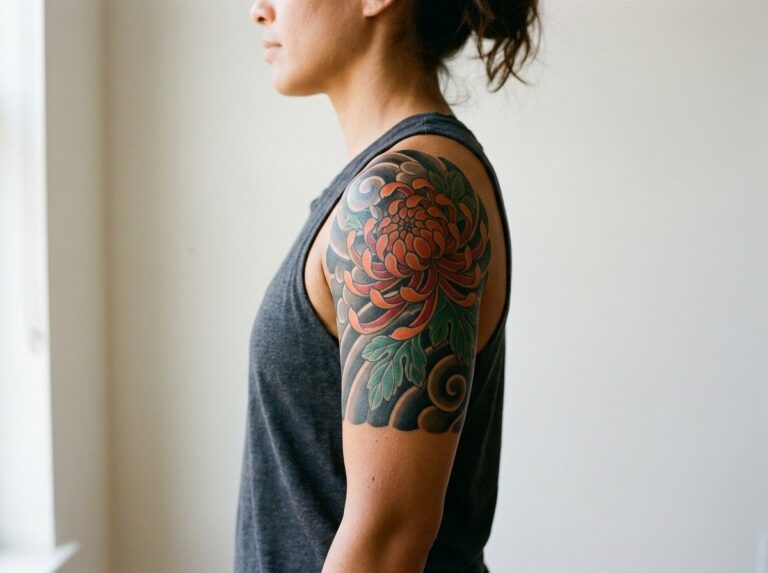
4. Japanese Sleeve With Cherry Blossoms
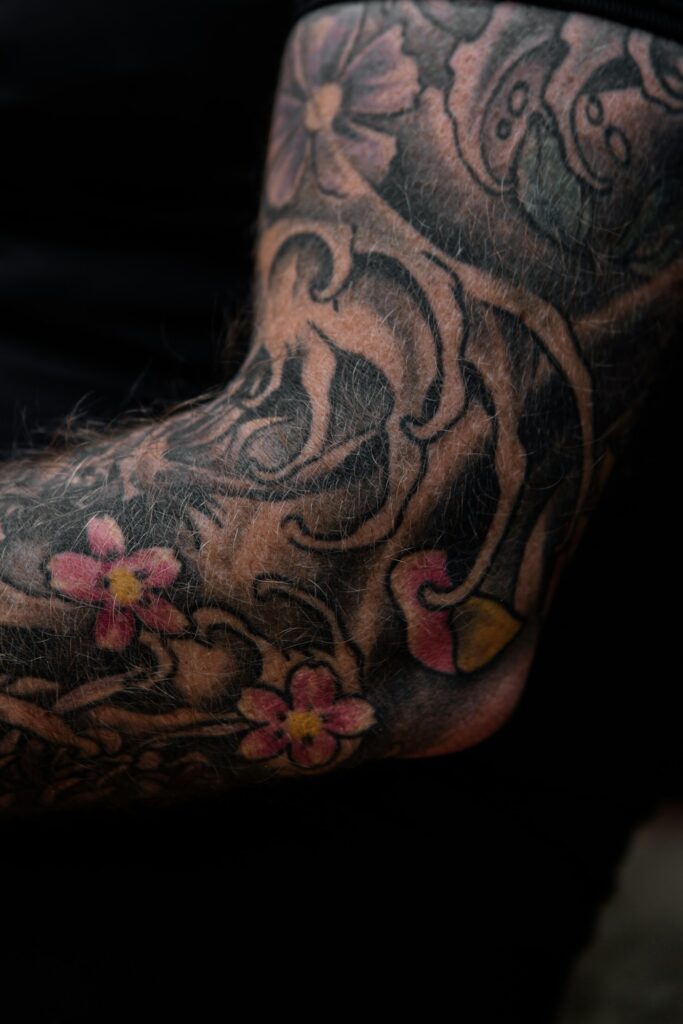
Japanese sleeves use wind bars, waves and flowers to fill the background and wrap naturally around joints like the elbow. Cherry blossoms stand for the beauty of a short life, while koi, dragons and tigers carry themes of strength and courage. Read about the tradition of irezumi before you start.
5. Black and Grey Athlete Sleeve
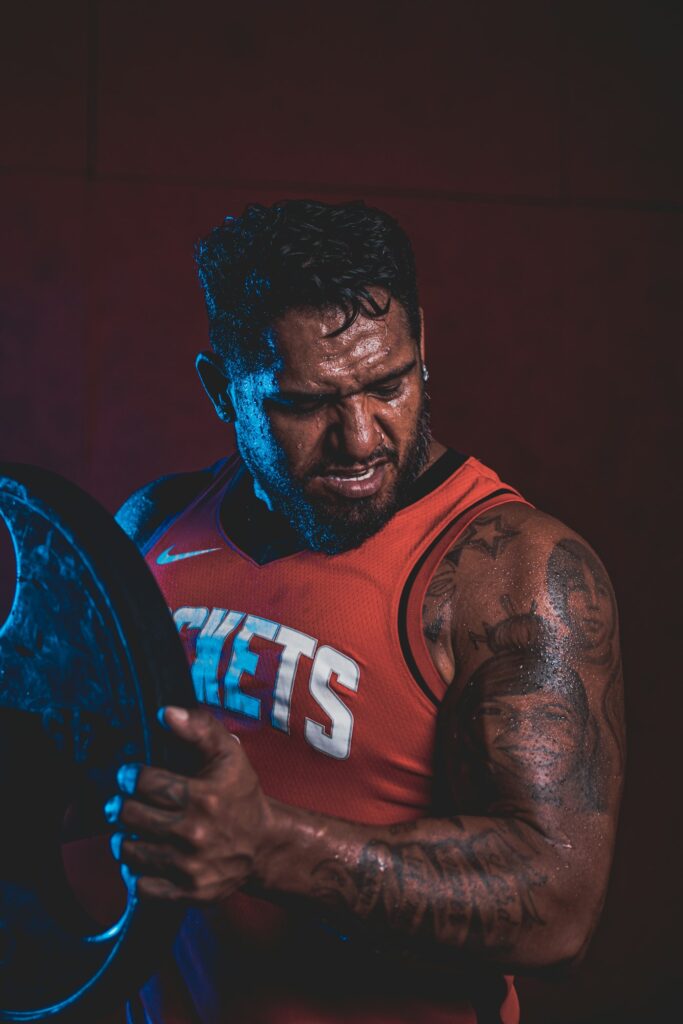
Black and grey shading suits a muscular arm because it follows the contours of the muscle and never looks too busy. It is a favorite of athletes and fighters who want a strong look without bright color.
6. Fighter Arm Piece
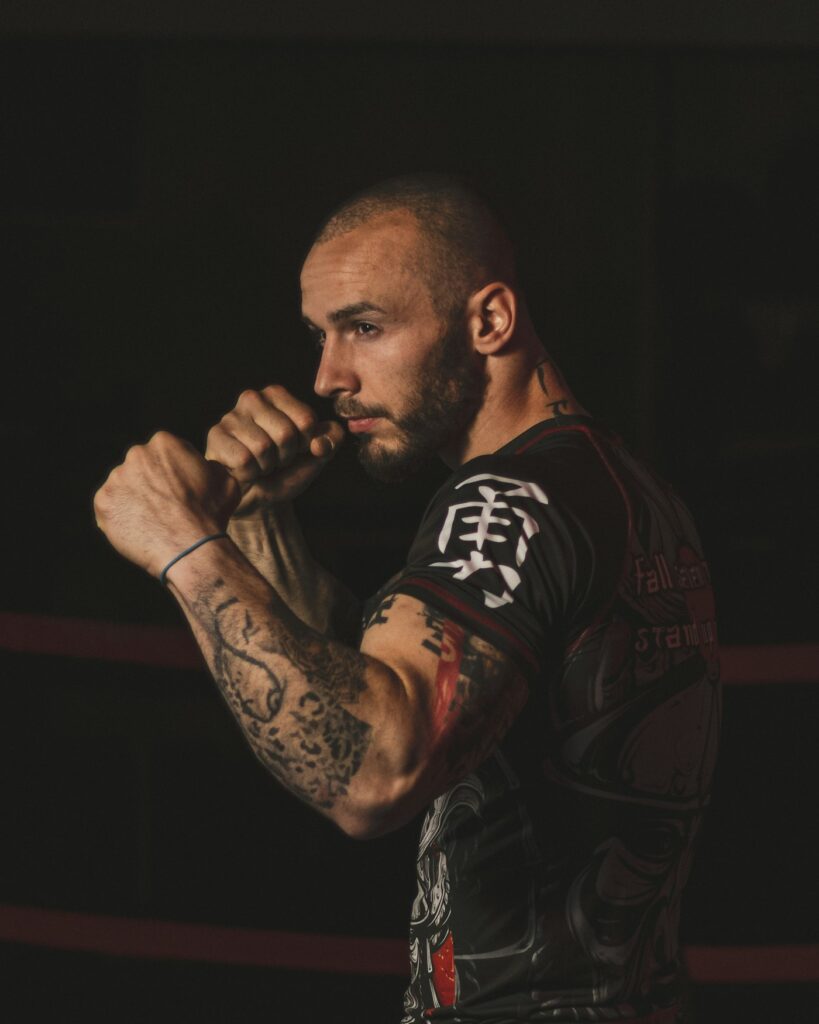
This boxer wears dark, flowing work from the shoulder to the forearm. Designs with bold contrast keep their impact even when the arm is in motion, which is why they are popular with men who train hard.
7. Bicep Tattoo
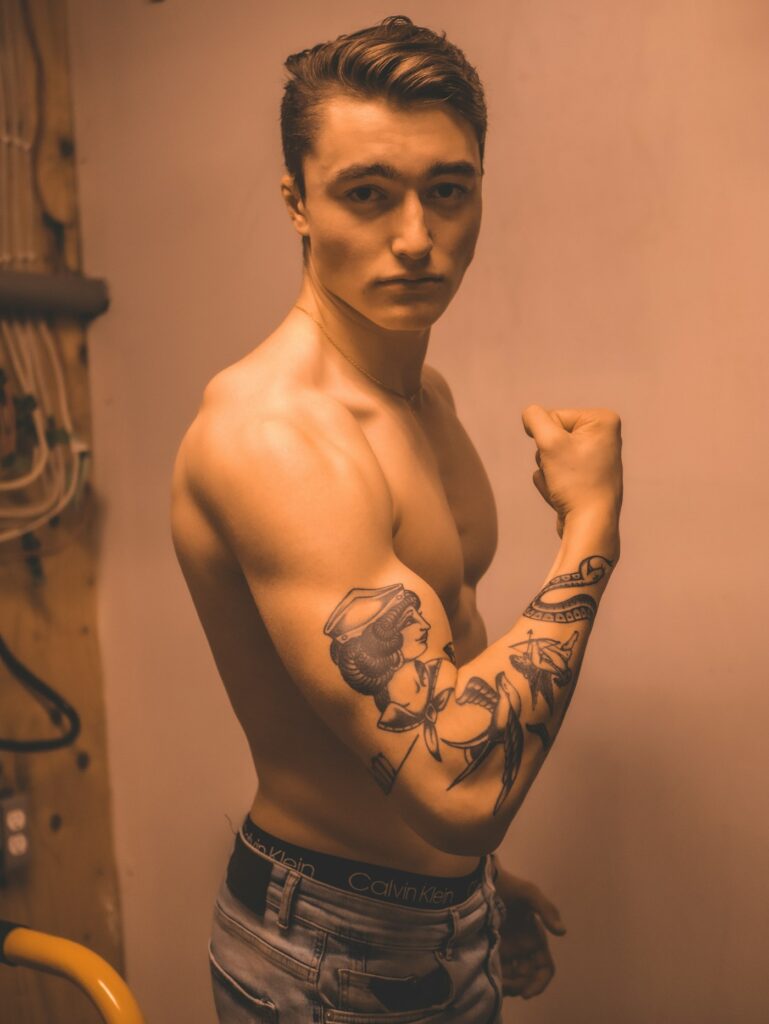
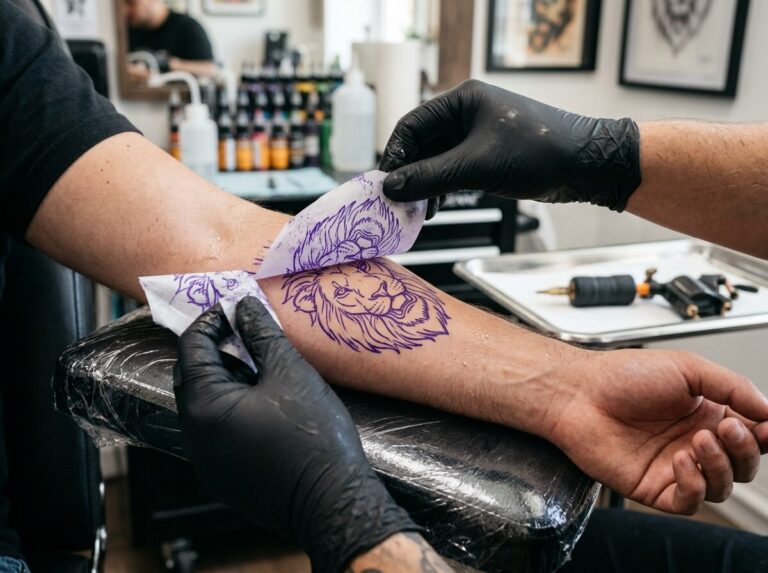
The outer bicep is one of the most comfortable spots for a first arm tattoo. Keep in mind that designs stretch when you flex, so ask your artist to place the stencil while your arm is relaxed and then check it flexed.
8. Portrait on the Upper Arm
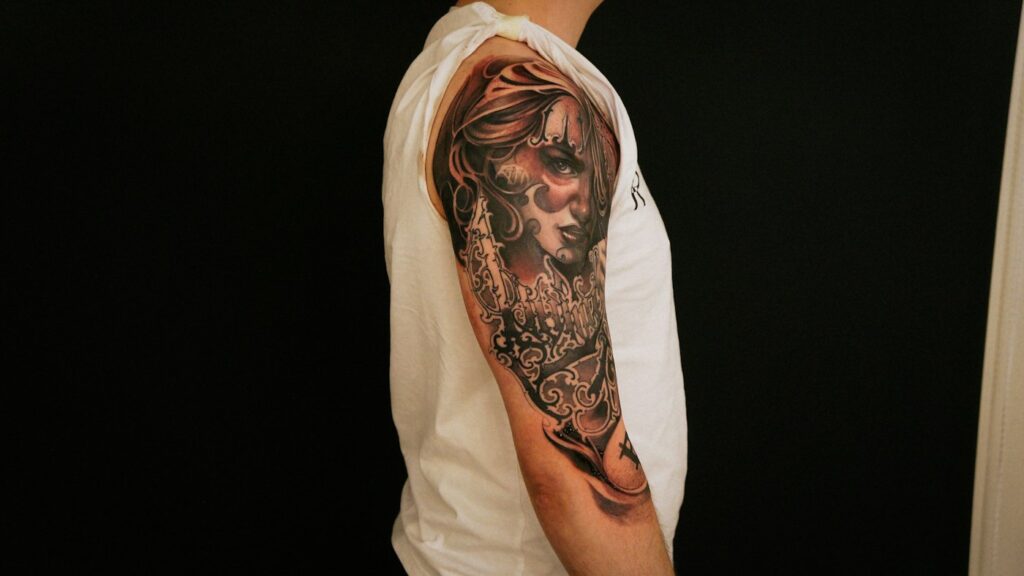
Realistic portraits need a wide, flat area, which makes the outer upper arm ideal. Choose an artist who specializes in realism and bring a sharp, well lit reference photo.
9. Shoulder Cap Into the Chest
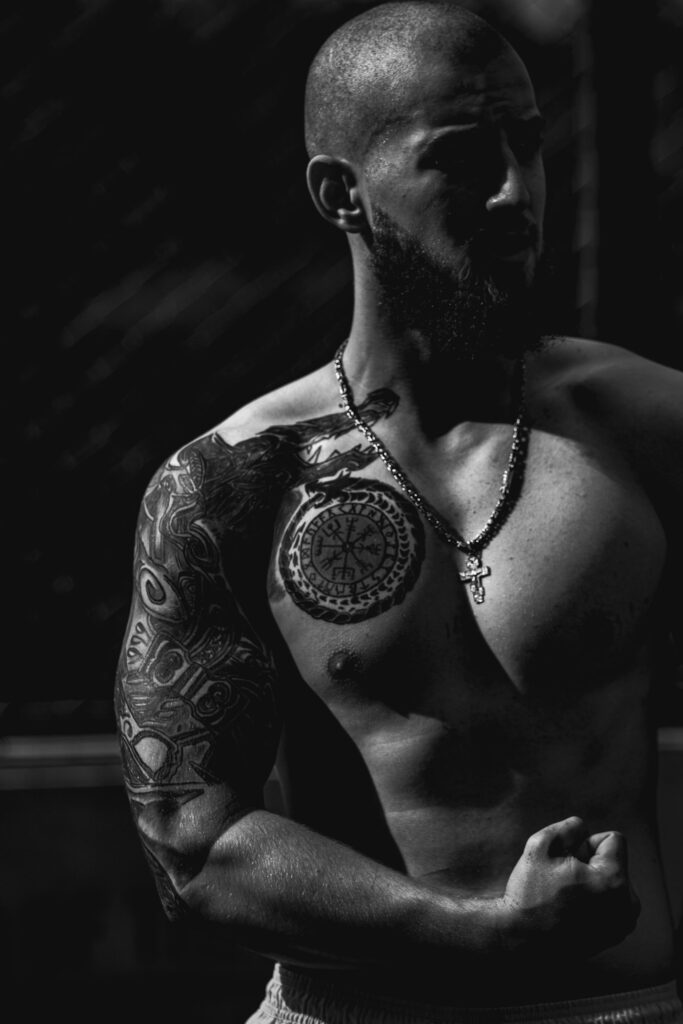
A shoulder cap design wraps over the deltoid and can flow into the chest or down the arm. It frames the upper body and works well as the starting point of a larger project.
10. Black and Grey Forearm Piece
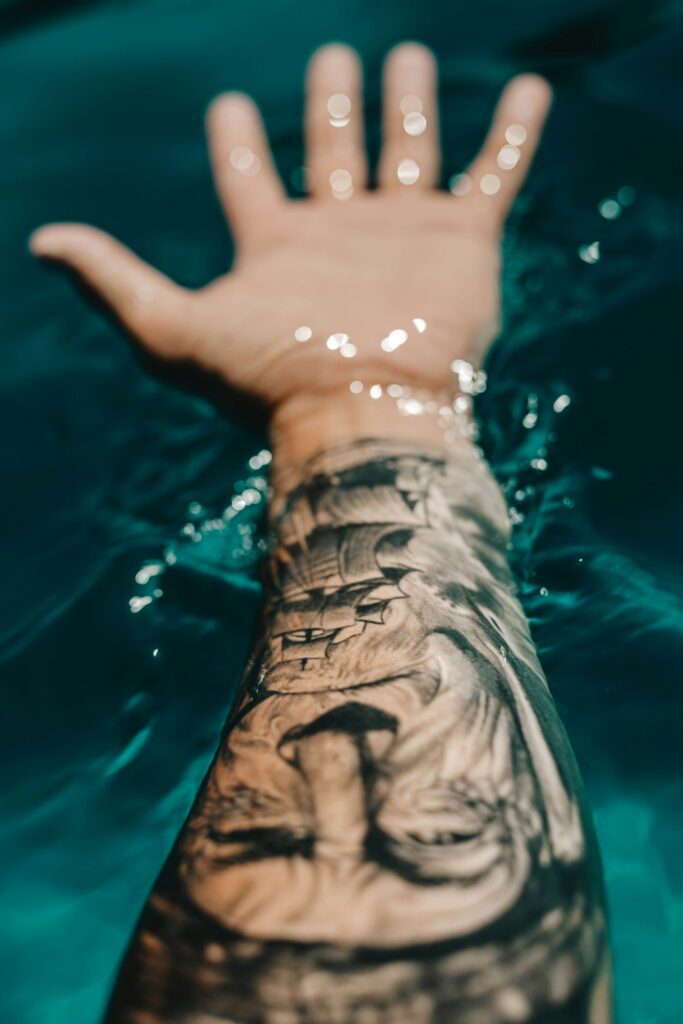
Heavy black and grey work on the forearm makes a dramatic impression, as this shot shows. Detailed shading needs space, so give the design enough size to stay readable as it ages.
11. New School Color Piece
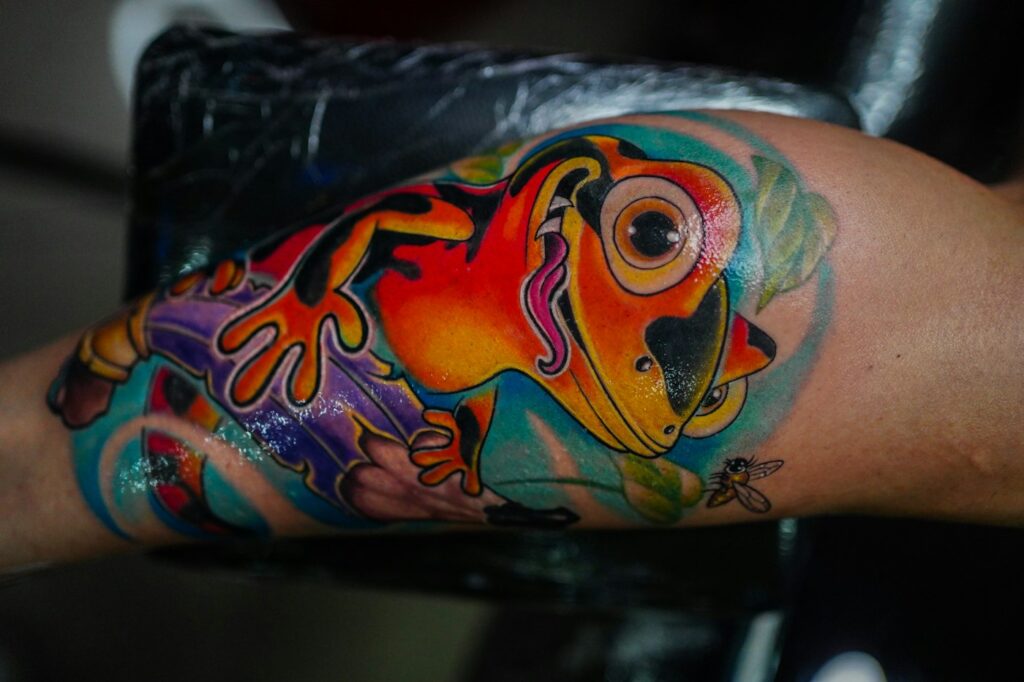
New school style uses cartoon shapes, thick outlines and very bright color. It is playful and bold, and a great choice if you want something fun and personal on the upper arm.
12. Forearm Band
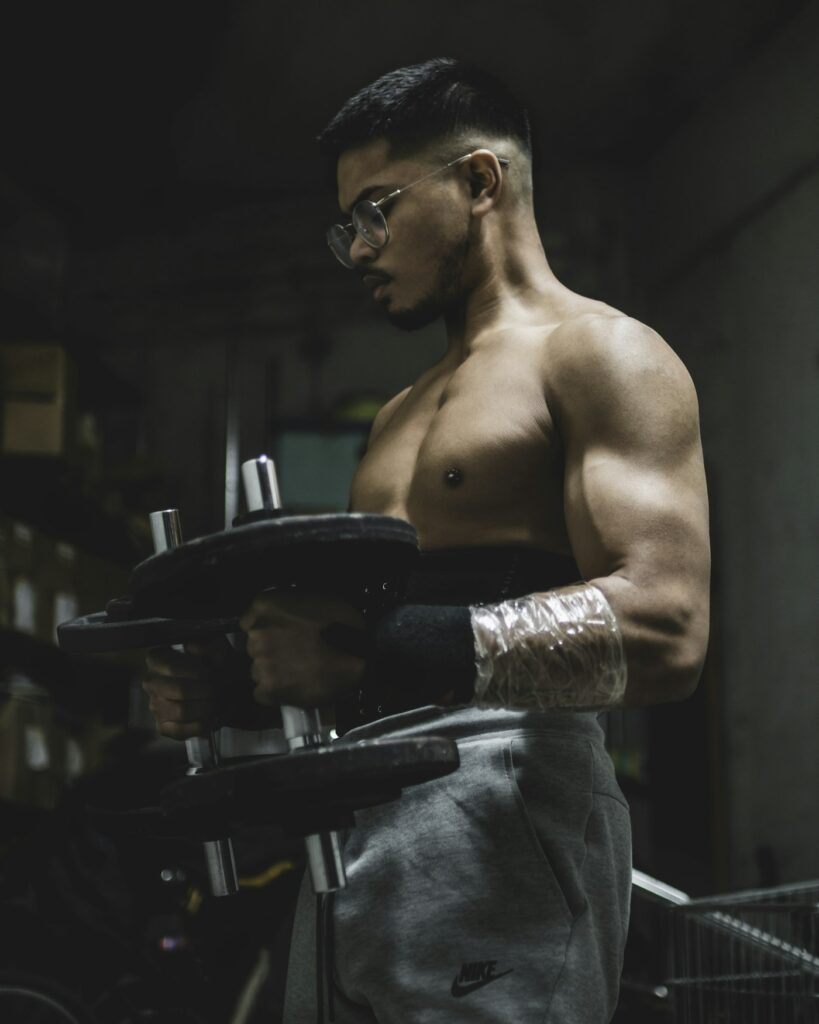
A band around the forearm is simple, masculine and easy to expand later. It is also a smart way to finish the lower edge of a sleeve.
Popular Arm Tattoo Themes and What They Mean
- Lion: courage, leadership and protecting your family.
- Wolf: loyalty, instinct and the bond with your pack.
- Skull: mortality, fearlessness and living fully.
- Clock and compass: time, direction and the choices that shape your life.
- Eagle: freedom, vision and American pride.
- Dragon and tiger: power and balance in Japanese and Chinese art.
- Religious imagery: faith, protection and remembrance.
- Roses and flowers: love, loss and balance; see our rose tattoo meaning guide.
Best Styles for a Man's Arm
American traditional and neo traditional use bold lines that age well and look great from a distance. Black and grey realism is perfect for portraits and detailed scenes. Japanese work is built for sleeves because it is designed to flow around the arm. Blackwork and tribal tattoo designs use solid black for maximum contrast. Fine line and minimalist pieces suit men who want something smaller and cleaner; see our small tattoos for guys for ideas.
How to Plan a Sleeve Step by Step
- Pick a theme or a style: a single theme such as the ocean or mythology, or a single style like traditional, keeps a sleeve looking unified.
- Choose your anchor pieces: decide on two or three main images for the outer upper arm, the forearm and the shoulder.
- Plan the background: clouds, waves, smoke, geometry or dot work tie separate pieces together.
- Find a specialist: look for an artist with healed sleeves in their portfolio, not just fresh photos.
- Book in sessions: most sleeves take 20 to 40 hours spread across several months.
- Save the elbow for last: many artists finish the ditch and elbow once the rest is healed.
Tips for a Tattoo on a Muscular Arm
Designs move with your body. Bicep and shoulder tattoos stretch when you flex and can change shape if you gain or lose a lot of muscle. Ask your artist to size the design for your current build and to place it so it wraps naturally. If you are still bulking up, choose bold, flexible designs over tiny, precise geometry.
Arm Tattoos and Your Career
Most employers in the USA are now comfortable with arm tattoos, but some jobs still ask staff to cover up. Upper arm and shoulder pieces hide easily under a T-shirt, while forearm and wrist tattoos are visible in short sleeves. If you work in a conservative field, start above the elbow.
How Much Do Arm Tattoos Cost?
In the USA, most artists charge $100 to $250 per hour. A small bicep or forearm piece usually costs $100 to $400, a half sleeve $800 to $2,500, and a full sleeve $2,000 to $6,000 or more depending on detail and color. Our tattoo cost guide breaks down rates and tipping.
Healing an Arm Tattoo
Wash gently twice a day, apply a thin layer of fragrance free lotion, wear loose sleeves and keep the tattoo out of the sun and pools for at least two weeks. If you train, skip heavy arm workouts for a few days, wipe down gym equipment and avoid tight compression sleeves while the skin is raw. The American Academy of Dermatology also shares helpful tips, and our tattoo aftercare guide walks you through every day of healing.
7 Common Arm Tattoo Mistakes to Avoid
- Going too small: tiny detail on a big arm looks lost and blurs over time. Scale the design to the space.
- Random placement: a piece stuck in the middle of the upper arm can block a future sleeve. Place it with the full arm in mind.
- Mixing too many styles: realism next to cartoon next to fine line rarely flows. Pick one or two styles for one arm.
- Ignoring the elbow: leaving the elbow for years makes a sleeve look unfinished. Plan how the design will cross it.
- Choosing on price alone: the cheapest quote often means weak lines and patchy shading that cost more to fix.
- Skipping sun protection: the arm gets more sun than almost any other spot, and UV light is the main reason tattoos fade.
- Training too soon: heavy lifting and sweat in the first days can damage a fresh tattoo and slow healing.
How to Choose the Right Artist
Look at healed work, not just fresh photos, because healed tattoos show how well an artist really packs ink. Check that their portfolio matches the style you want, whether that is traditional, realism or Japanese. A good artist will ask about your ideas, suggest changes that will help the design fit your arm, and give you a clear estimate of sessions and price. Always choose a licensed studio that uses single use needles and follows strict hygiene.
Covering Up an Old Arm Tattoo
The arm is one of the easiest places to hide an old tattoo because there is so much room to work. Dark, detailed designs such as Japanese waves, black and grey florals or solid blackwork cover old ink best. If the old piece is very dark, a few laser sessions to lighten it first can give your artist more freedom. Learn more in our tattoo removal cost guide.
Frequently Asked Questions
What are the best arm tattoos for men?
Lions, wolves, skulls, eagles, compasses, Japanese sleeves and American traditional flash are among the most popular arm tattoos for men in the USA.
Where is the least painful place on the arm?
The outer upper arm, the tricep and the outer forearm are the least painful. The inner bicep, elbow and armpit area hurt the most.
How long does a sleeve take?
A full sleeve usually takes 20 to 40 hours of work, spread over several sessions and months so the skin can heal in between.
Should my first tattoo be on the arm?
Yes, the outer arm is one of the best spots for a first tattoo. Read our first tattoo tips and browse more tattoos for men or our tattoo ideas for men.