Tattoo Peeling: What Is Normal and 7 Essential Care Tips
Tattoo peeling is one of the most worrying parts of getting new ink. A week after your session, your fresh tattoo suddenly starts flaking like a sunburn, bits of colored skin come off in the shower and the design looks dull and patchy. The good news: in almost every case, this is exactly what is supposed to happen.
This guide explains why tattoos peel, when it starts and how long it lasts, what normal peeling looks like, 7 essential tips to get through it safely, and the signs that mean something else is going on.
This article is for general information and is not medical advice. If you are concerned about your tattoo, contact your artist or a healthcare provider.
Table of Contents
Why Do Tattoos Peel?
Tattooing creates thousands of tiny wounds in the top layer of the skin. As your body heals, it builds a fresh layer of skin and sheds the damaged one on top. That dead layer holds a little bit of surface ink, which is why the flakes are often the same color as your tattoo. The ink that matters sits deeper, in the dermis, so it stays in place while the surface peels away.
Is Tattoo Peeling Normal?
Yes. Light to moderate tattoo peeling is a normal, healthy part of healing for most people. It usually looks like thin, flaky skin, similar to a healing sunburn. Some tattoos barely peel at all, especially small fine line pieces, and that is normal too. What matters is that the skin is calm, not hot, swollen or oozing, and that it gets better each day.
When Does a Tattoo Start Peeling and How Long Does It Last?
- Days 1 to 3: no peeling yet. The tattoo is red, tender and may ooze a little.
- Days 4 to 6: the skin feels tight and itchy. Light flaking often begins at the edges and on bold lines.
- Days 7 to 14: peak peeling. Flakes come off in the shower and the design may look faded or cloudy.
- Weeks 3 to 4: peeling is usually finished for small and medium tattoos. Large or heavily colored pieces can take a little longer.
For a full timeline, read our tattoo healing process guide.
What Normal Tattoo Peeling Looks Like
- Thin, papery flakes that come off easily on their own.
- Colored flakes that match the ink. This is surface ink, not your tattoo falling out.
- A cloudy or milky look once the flakes are gone. New skin covers the ink and clears up over the next few weeks.
- Some shine on the tattoo after peeling, which fades as the skin matures.
- Mild itching, especially at night.
7 Essential Tips to Take Care of a Peeling Tattoo
- Keep your hands off: never pick, peel or rub the flakes. Pulling them early can take ink with them and leave light spots.
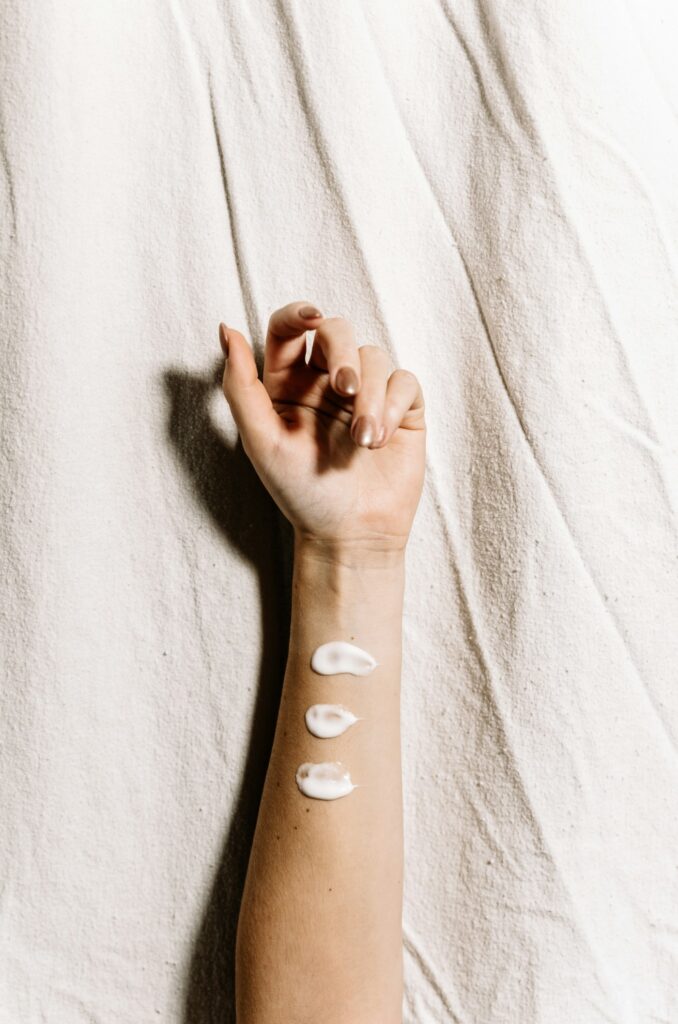
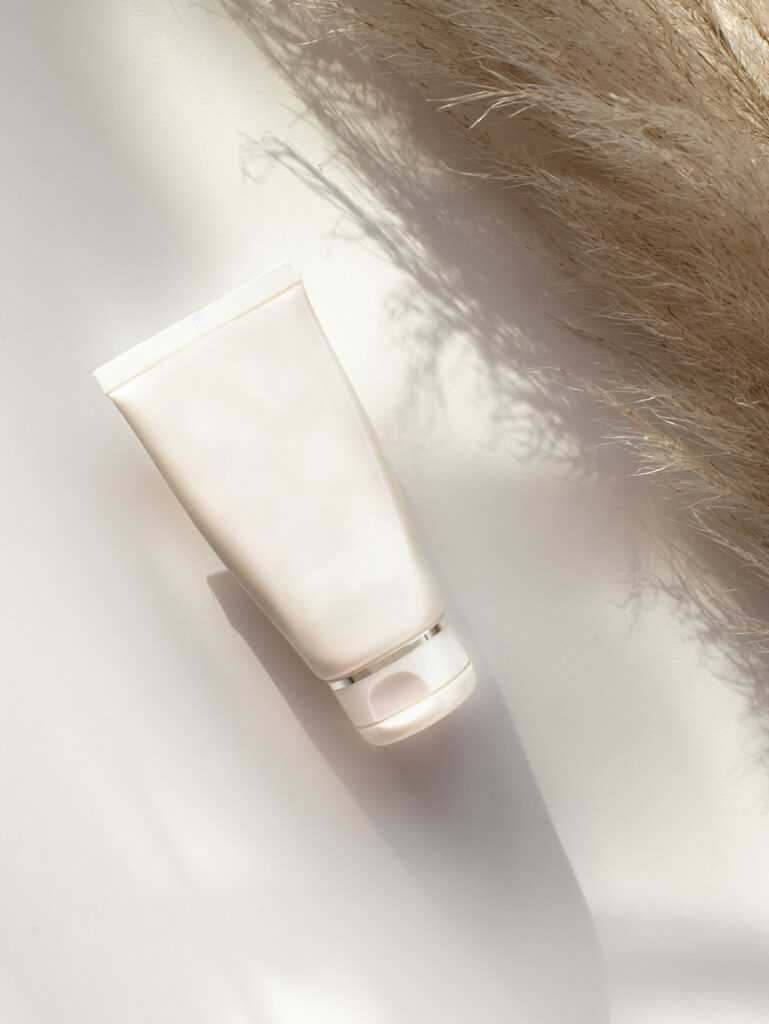
- Moisturize lightly: apply a thin layer of fragrance free lotion two to three times a day. The skin should look softly moisturized, not greasy.
- Wash gently: use lukewarm water and a mild, unscented soap. Let the water run over the tattoo and use only your fingertips.
- Pat dry: use a clean paper towel and pat, never rub.
- Tame the itch: lightly tap the area or hold a cool, clean compress on it for a moment instead of scratching.
- Wear loose clothing: tight fabric rubs flakes off too early and irritates the skin.
- Stay out of the sun and water: skip pools, hot tubs, baths and tanning until the tattoo is fully healed.
The American Academy of Dermatology also recommends keeping a healing tattoo clean, moisturized and out of the sun. See our tattoo aftercare guide for a complete routine.
What Not to Do While Your Tattoo Peels
- Do not scratch. Scratching can cause scarring and patchy color.
- Do not exfoliate with scrubs, loofahs or washcloths.
- Do not shave over the tattoo until it is fully healed.
- Do not use scented lotions or products with alcohol, which can sting and dry the skin.
- Do not over-apply ointment. Thick layers trap moisture and can soften scabs so they lift early.
- Do not take long, hot showers. Heat and long soaking dry out the skin.
Heavy Peeling and Thick Scabs
During tattoo peeling, some tattoos form thicker scabs instead of light flakes, especially large pieces, bold black fill and areas that were worked hard. Scabs are not automatically a problem, but they need extra care. Keep them lightly moisturized so they do not crack, and let them fall off naturally. Heavy scabbing can also happen if the tattoo dries out too much or is rubbed by clothing, so adjust your routine if you notice it.
What If My Tattoo Is Not Peeling?
Not every tattoo peels noticeably. Small designs, fine line work and tattoos that healed under a protective film often flake so lightly that you barely notice. As long as the skin looks calm and the tattoo is slowly settling, there is nothing to worry about. Learn more about delicate designs in our fine line tattoos guide.
Tattoo Peeling vs. Signs of Infection
Normal tattoo peeling happens on calm skin that is getting better every day. Contact a doctor if you notice any of these signs:
- Redness, swelling or heat that spreads or gets worse after the first few days.
- Pain that increases instead of fading.
- Yellow or green pus, or a bad smell.
- Red streaks spreading from the tattoo.
- Fever or chills.
- A very itchy, bumpy rash, often in one ink color, which can signal an allergic reaction.
According to the FDA, tattoos can sometimes lead to infections and allergic reactions. Early treatment by a professional is always the best option.
After the Peeling Stage
Once tattoo peeling is over, the tattoo may still look a little cloudy or shiny. Give it a few more weeks. The deeper layers of skin keep healing for up to three months, and the colors will sharpen as the new skin matures. After that, protect your tattoo with a broad spectrum sunscreen whenever it is exposed.
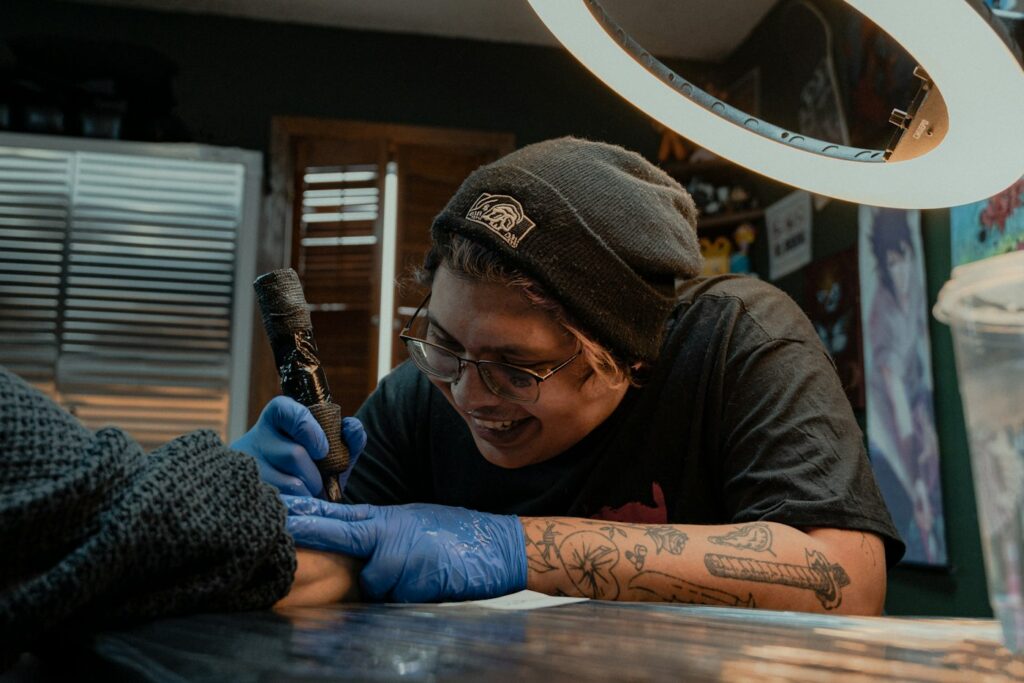
If you notice light patches once the tattoo is fully healed, contact your artist. Most studios offer a free or low cost touch up within the first few months, especially for spots on hands, feet and joints.
Peeling by Placement and Style
- Hands, fingers and feet: peel more and fade faster because the skin renews quickly and is always moving; see our hand tattoo guide.
- Joints like elbows and knees: flakes may crack as you move, so keep the area moisturized.
- Color and watercolor work: colored flakes are common and the tattoo can look very dull for a week; see our watercolor tattoo guide.
- Solid black and tribal work: often forms thicker flakes or scabs.
Sleeping and Exercising During Tattoo Peeling
Nights and workouts are when most accidental damage happens during tattoo peeling. Sleep in loose cotton clothes on clean sheets, and try not to lie directly on the tattoo. If fabric sticks to it in the morning, wet it with lukewarm water until it lets go instead of pulling. At the gym, avoid exercises that rub the area or stretch it hard, wipe down equipment first and rinse the tattoo gently after you sweat. Swimming should wait until tattoo peeling and healing are completely finished.
Helpful Products for Tattoo Peeling
- Fragrance free lotion: the everyday choice once the tattoo starts to flake.
- A thin healing ointment: useful in the first days, but switch to lotion when tattoo peeling begins so the skin can breathe.
- Mild, unscented liquid soap: gentle enough for broken skin.
- Clean paper towels: safer than bath towels for drying.
- Loose cotton clothing: reduces friction on flaky skin.
Always choose simple products without fragrance, dyes or alcohol, and follow any specific advice your artist gives you.
Frequently Asked Questions
How long does tattoo peeling last?
Tattoo peeling usually lasts about one to two weeks, usually starting around day four to seven.
Is it bad if ink comes off when my tattoo peels?
No. Colored flakes carry surface ink. The ink that forms your tattoo is deeper in the skin and stays in place.
Why does my tattoo look faded after peeling?
A thin layer of new skin covers the ink and makes it look cloudy. It usually clears within a few weeks.
Can I put lotion on a peeling tattoo?
Yes. A thin layer of fragrance free lotion two to three times a day helps with dryness and itching.
Why is my old tattoo peeling?
An older, healed tattoo can peel after a sunburn or because of very dry skin. If it is raised, itchy or painful, especially in one color, see a dermatologist. Find more advice in our tattoo tips section.