Tattoo Removal Scars: 9 Proven Ways to Avoid and Treat Them
Tattoo removal scars are one of the biggest worries people have before starting laser treatment, and it is a fair question. Modern lasers are designed to break up ink without damaging the surrounding skin, and when they are used correctly, permanent scarring is uncommon. But it can happen, usually because of the wrong settings, sessions spaced too close together, poor aftercare or a tattoo that was already scarred. Our complete tattoo removal guide explains every step, from consultation to the final session.
This guide explains what tattoo removal scars look like, why they happen, 9 proven ways to avoid them, and what can be done if you already have a scar.
Table of Contents
Does Laser Tattoo Removal Leave Scars?
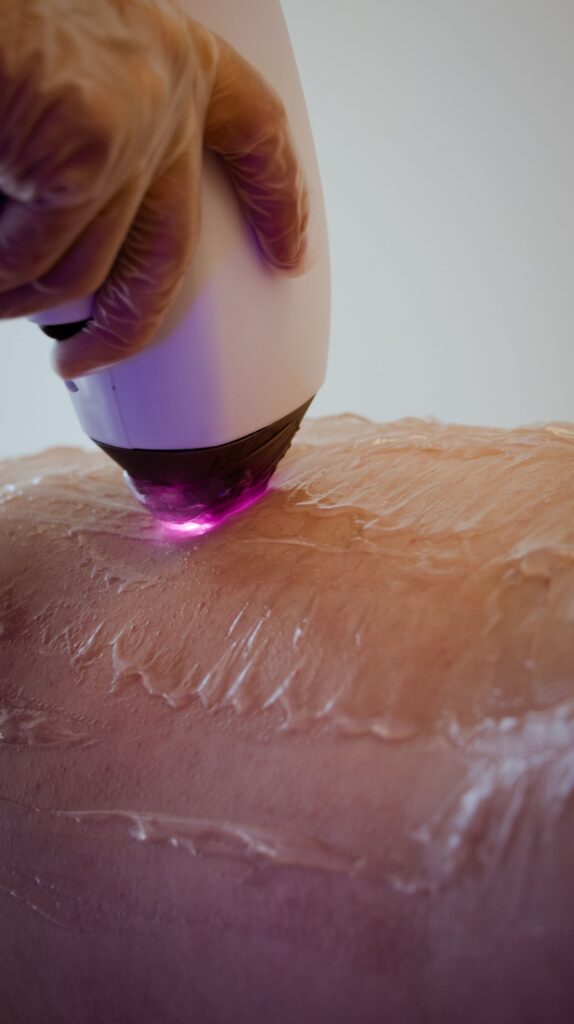
In most cases, no. Today's Q-switch and picosecond lasers fire ultra short pulses that target ink particles while sparing the skin around them, so the vast majority of people finish their sessions without a permanent scar. Temporary changes like redness, swelling, blisters and light or dark patches are common and usually fade within weeks or months. Read how the technology works in our pico laser tattoo removal vs Q-switch guide.
The risk is higher with older or more aggressive methods such as surgical excision, dermabrasion and especially do it yourself removal creams or acids, which can burn the skin. The US Food and Drug Administration warns against at home removal products in its guide to tattoo removal options and results.
What Tattoo Removal Scars Look Like
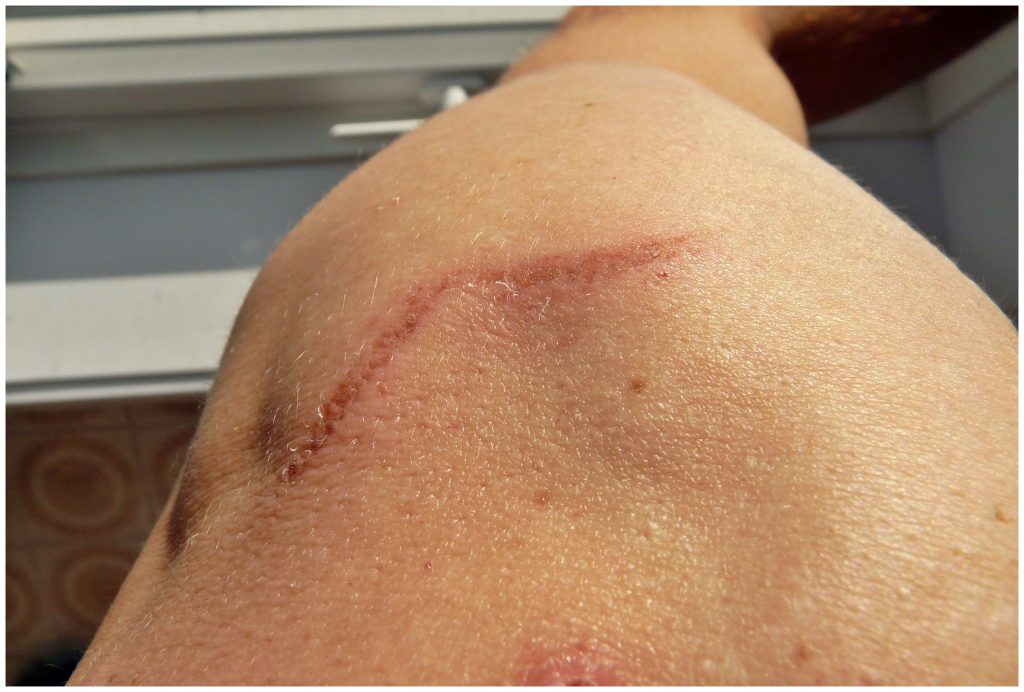
Tattoo removal scars can take several forms:
- Raised (hypertrophic) scars: thick, firm lines that stay within the area of the tattoo, like in the photo above.
- Keloids: raised scars that grow beyond the original area. People with a personal or family history of keloids are at higher risk.
- Texture changes: skin that feels smoother, shinier or slightly bumpy compared with the skin around it.
- Hypopigmentation: lighter patches where pigment was lost. More common on darker skin and often temporary, but can be long lasting.
- Hyperpigmentation: darker patches, usually temporary and made worse by sun.
Do not confuse a scar with ghosting, which is a faint outline of remaining ink. Ghosting usually fades with more sessions, while a true scar does not.
Why Tattoo Removal Scars Happen
- Too much energy: settings that are too aggressive can burn the skin, especially on darker skin tones.
- Sessions too close together: the skin needs at least 6 to 8 weeks to recover between treatments.
- Picking blisters and scabs: tearing healing skin is one of the most common causes of scarring.
- Infection: an infected treatment area heals slowly and can scar. See our guide to tattoo infection signs.
- Sun exposure: UV light on healing skin increases pigment changes.
- An already scarred tattoo: heavy handed tattooing or a tattoo blowout can leave scar tissue that becomes visible once the ink is gone.
9 Proven Ways to Avoid Tattoo Removal Scars
1. Choose a Qualified Provider
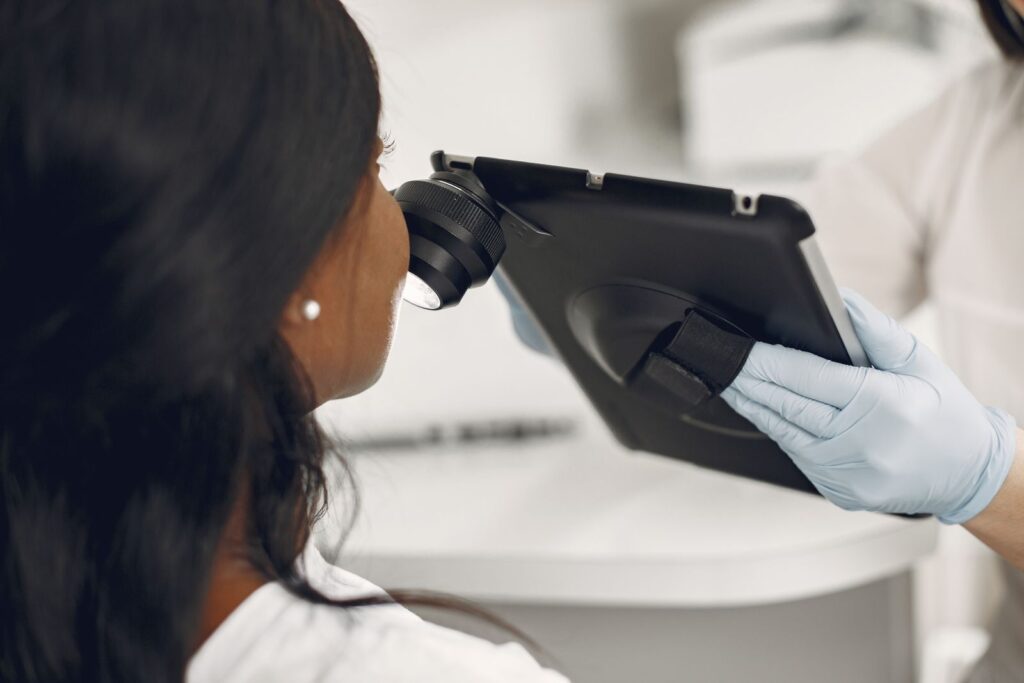
The single biggest factor is who holds the laser. Look for a board certified dermatologist or a clinic supervised by one. The American Society for Dermatologic Surgery recommends treatment by trained specialists. Ask how many tattoos they have removed and to see before and after photos of their own patients.
2. Get a Patch Test
A small test spot shows how your skin reacts to the settings before the whole tattoo is treated. It is especially important for darker skin and colorful tattoos.
3. Make Sure the Laser Matches Your Skin
The 1064 nm wavelength is the safest choice for darker skin because less energy is absorbed by melanin. A good clinic will adjust wavelength and energy to your skin type, not just to the ink color. Read more in our guide to tattoos on dark skin.
4. Space Your Sessions
Wait at least 6 to 8 weeks between sessions, and longer if the skin is still healing. Rushing does not remove a tattoo faster and greatly increases the risk of tattoo removal scars.
5. Cool the Area After Treatment

A cold pack wrapped in a clean cloth for 10 to 15 minutes at a time helps reduce swelling and heat in the first day or two. Never put ice directly on treated skin.
6. Never Pick Blisters or Scabs
Blisters and pinpoint bleeding are normal after laser treatment. Let them heal on their own. If a blister is large or painful, ask your provider before draining it.
7. Keep It Clean and Moisturized
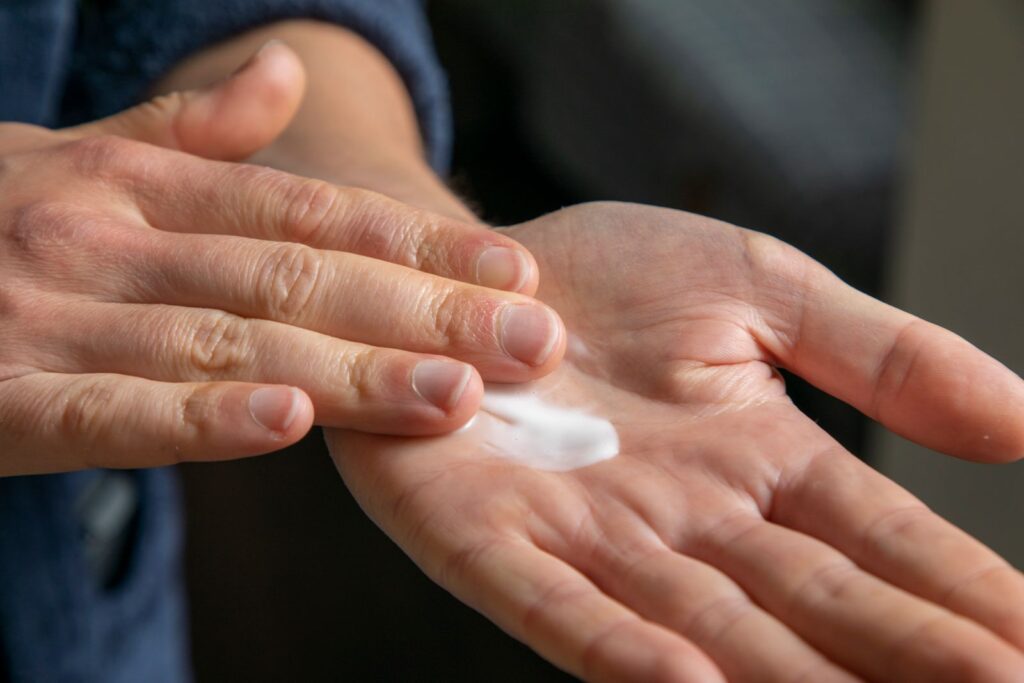
Wash gently with mild soap, pat dry and apply a thin layer of the ointment your provider recommends for the first few days, then a fragrance free moisturizer. Keep the area covered if it might rub against clothing. Many of the same principles in our tattoo aftercare guide apply.
8. Protect the Area From the Sun

Sun on healing skin is a major cause of dark or light patches. Keep the area covered while it heals, then use a broad spectrum sunscreen of SPF 30 or more before and between sessions. See our sunscreen for tattoos guide.
9. Tell Your Provider About Your History
Mention keloids, slow healing, diabetes, smoking, medications such as isotretinoin or blood thinners, and any previous treatments on the tattoo. These can all change your risk and the settings your provider chooses.
Treating Tattoo Removal Scars
If you already have a scar, there are options. Talk to a dermatologist before trying anything, because the right treatment depends on the type of scar:
- Silicone gel or sheets: often recommended for raised scars, used daily for several months.
- Steroid injections: a doctor can inject corticosteroids to flatten raised scars and keloids.
- Fractional or vascular lasers: can improve texture and redness over several sessions.
- Microneedling: may help with mild texture changes.
- Time and sun protection: many pigment changes improve on their own over 6 to 12 months.
If a scar is small, some people choose to cover it with a new tattoo once it has fully healed and settled. A skilled artist can work with scar tissue. See our cover up tattoo ideas for inspiration.
Cost of Avoiding and Treating Scars
Choosing an experienced clinic may cost a little more per session, but it is far cheaper than treating a scar later. Scar treatments such as steroid injections or fractional laser sessions are usually paid separately. For removal pricing, see our tattoo removal cost guide.
Frequently Asked Questions
Can laser tattoo removal leave a scar?
It can, but permanent tattoo removal scars are uncommon with modern lasers and an experienced provider. Most redness, blisters and color changes are temporary.
Will my skin go back to normal after tattoo removal?
In most cases the skin returns close to normal, though some people keep slight texture or pigment changes. Results depend on your skin, the tattoo and the aftercare.
Why does my tattoo look scarred after removal?
Sometimes scar tissue from the original tattooing becomes visible once the ink is gone. This was already there and is not always caused by the laser.
How do I get rid of scars from tattoo removal?
A dermatologist may recommend silicone gel, steroid injections, fractional laser or microneedling, depending on the scar type.
Are some people more likely to scar?
Yes. People with a history of keloids, darker skin treated with the wrong settings, smokers and anyone who picks at healing skin face a higher risk.
Image Credits
Photos from Pexels: Kerim Eveyik (featured image), Gustavo Fring, Vidal Balielo Jr., Elizabeth Iris and Mikhail Nilov.
- Scarring from laser tattoo removal: Walker915, CC BY-SA 4.0, via Wikimedia Commons.