Tattoo Infection Signs: 7 Warning Signs and the Best Ways to Treat Them
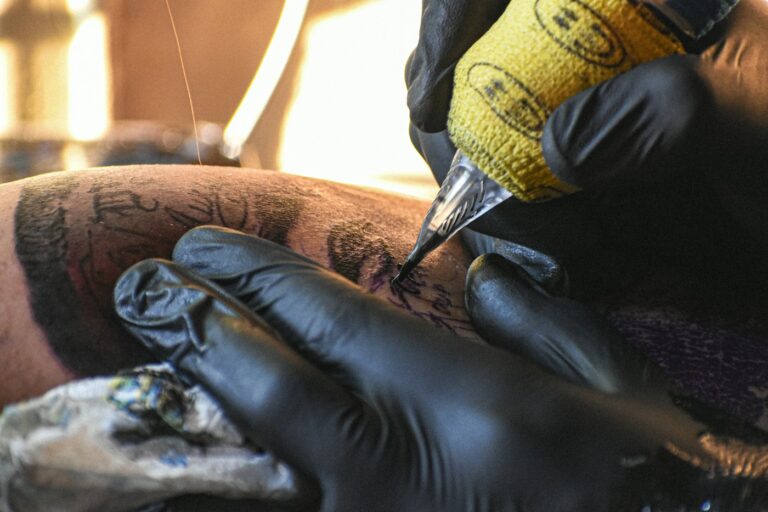
Knowing the tattoo infection signs can save you a lot of pain, scarring and worry. Every new tattoo is an open wound for the first days, so some redness, swelling and tenderness is normal. An infection is different: it gets worse instead of better, and it needs medical care. The good news is that most tattoo infections clear up quickly when they are caught early.
This guide explains what normal healing looks like, the 7 warning signs of a tattoo infection, how to tell an infection from an allergic reaction, when to see a doctor and how to prevent problems in the first place.
Important: this article is general information, not medical advice. If you think your tattoo is infected, contact a doctor. If you have a high fever, red streaks spreading from the tattoo or feel very unwell, seek urgent care right away.
Table of Contents
Normal Healing vs. Tattoo Infection
In the first 48 to 72 hours, a new tattoo is usually red, a little swollen, warm and tender, and it may ooze clear fluid and some ink. After that, these symptoms should steadily improve. Itching and flaking in the first two weeks are also normal. See what to expect day by day in our tattoo healing process guide and our tattoo peeling guide.
The key difference: normal healing gets better each day. An infection gets worse, spreads or comes back after it seemed to be improving.
7 Tattoo Infection Signs to Watch For
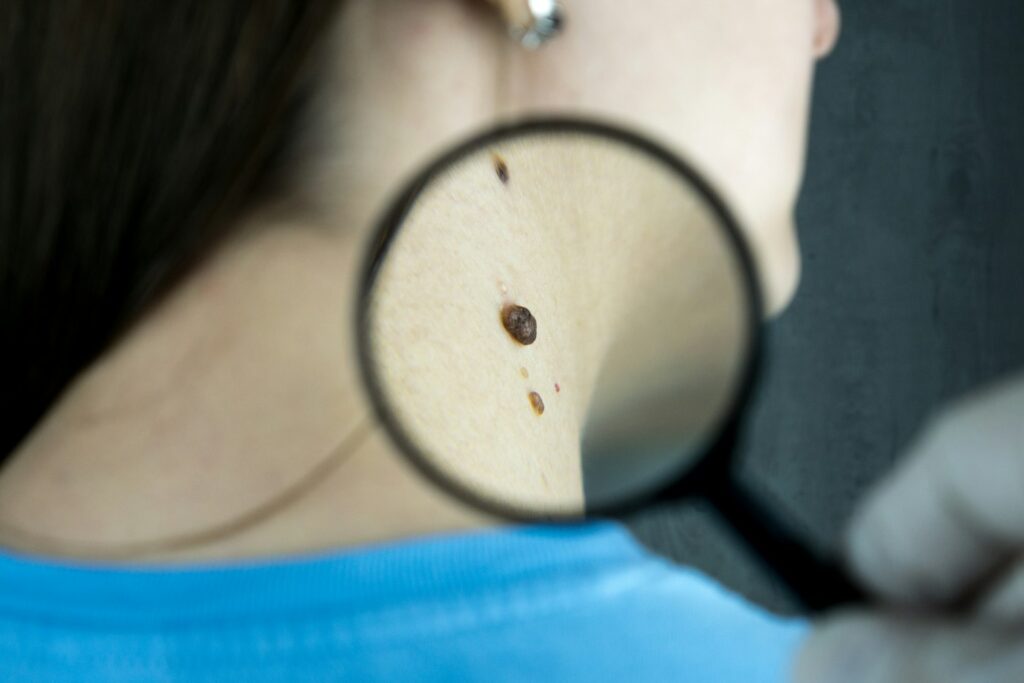
- Spreading redness: redness that grows beyond the edges of the tattoo or gets darker after day three.
- Increasing swelling and heat: the area becomes more swollen, hard or hot instead of calming down.
- Worsening pain: pain that increases or throbs days after the session.
- Pus or bad smell: thick yellow, green or cloudy discharge, or an unpleasant odor.
- Red streaks: lines spreading away from the tattoo, which can mean the infection is moving. This needs urgent care.
- Fever and chills: feeling hot, shivery, tired or generally sick.
- Bumps, blisters or open sores: raised pimple-like spots, painful blisters or areas that break open.

What Causes a Tattoo Infection?
- Bacteria on the skin: germs like Staphylococcus can enter the open wound, especially if it is touched with dirty hands.
- Contaminated ink or water: the FDA has warned that tattoo inks can sometimes be contaminated with bacteria or other microorganisms, even when the container is sealed.
- Unsterile equipment: reused needles or poor hygiene can spread serious infections, which is why a licensed studio matters.
- Poor aftercare: swimming, dirty sheets, tight clothing and picking at scabs all raise the risk.
- Health factors: diabetes, a weakened immune system and some medications can make infections more likely.
Infection or Allergic Reaction?
Not every red, bumpy tattoo is infected. Allergic reactions to tattoo ink, most often red ink, can cause itchy, raised, bumpy skin, sometimes only in one color. They can appear during healing or even months or years later. Allergies usually itch more than they hurt and do not cause fever or pus. Both need professional advice, but the treatment is different, so see a doctor or dermatologist for a proper diagnosis. The Mayo Clinic explains the different skin problems tattoos can cause.
What to Do If You Think Your Tattoo Is Infected
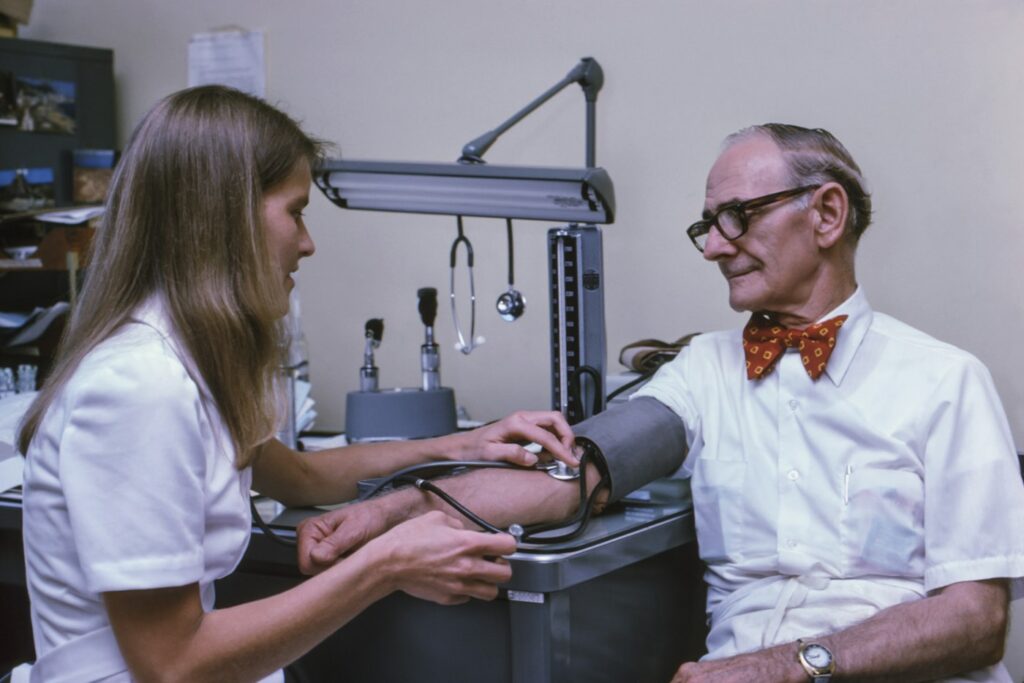
- Contact a doctor: a healthcare provider can examine the area and, if needed, prescribe the right treatment, which may include antibiotics.
- Do not self-treat with leftover pills: the wrong antibiotic can make things worse or hide the problem.
- Keep it clean: wash gently with mild soap and water and pat dry with a clean paper towel.
- Do not pop or squeeze bumps: this can push bacteria deeper and cause scarring.
- Stop heavy ointments: ask your doctor what to apply instead.
- Tell your artist: they should know so they can check their process.
- Report serious problems: in the USA, reactions to tattoo ink can be reported to the FDA's MedWatch program.
When to Get Urgent Care
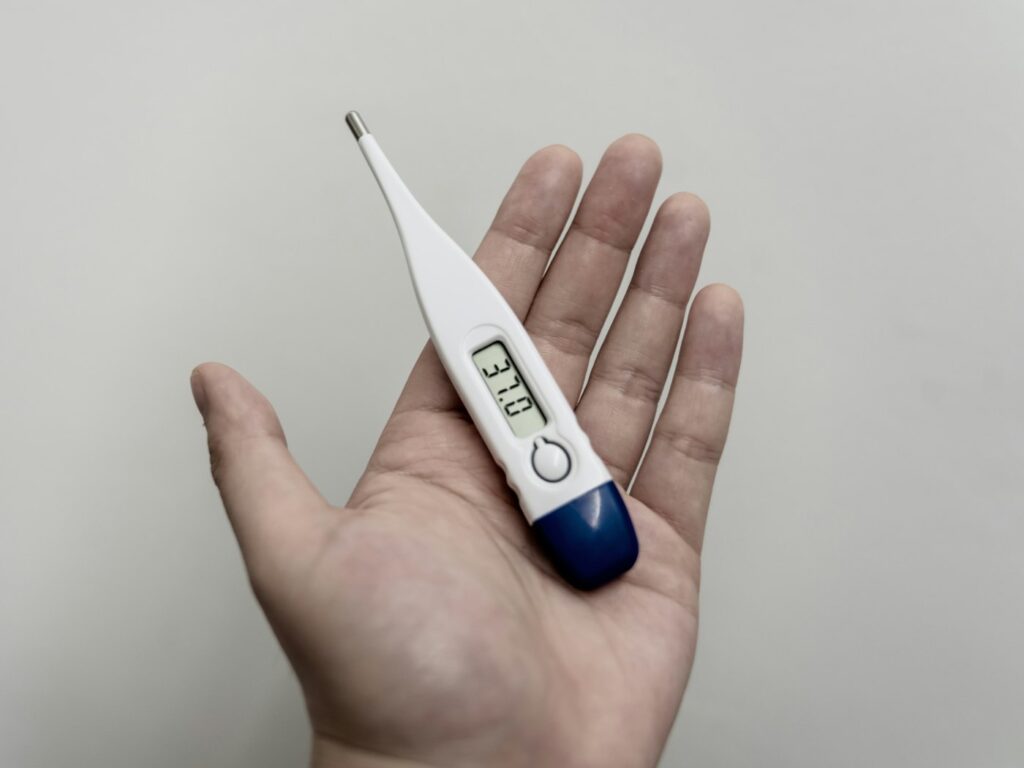
Go to urgent care or the emergency room if you have a high fever, red streaks spreading from the tattoo, rapidly spreading redness, severe pain, a large hot swelling that feels like a lump, confusion or a fast heartbeat. These can be signs that an infection is spreading and needs fast treatment.
How to Prevent a Tattoo Infection
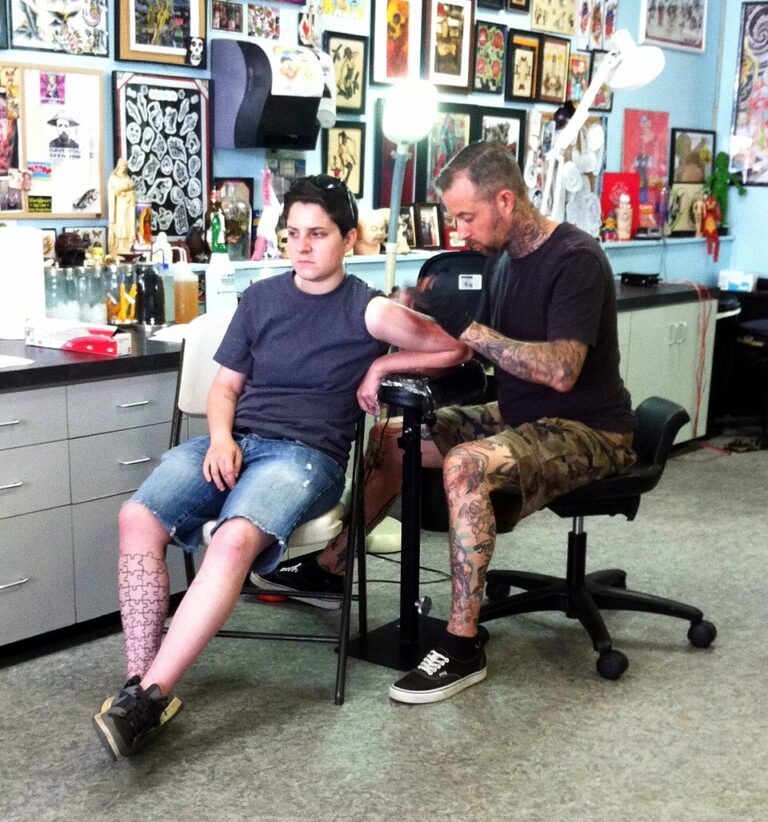
- Choose a licensed studio: look for a clean space, single-use needles opened in front of you, gloves and fresh ink caps.
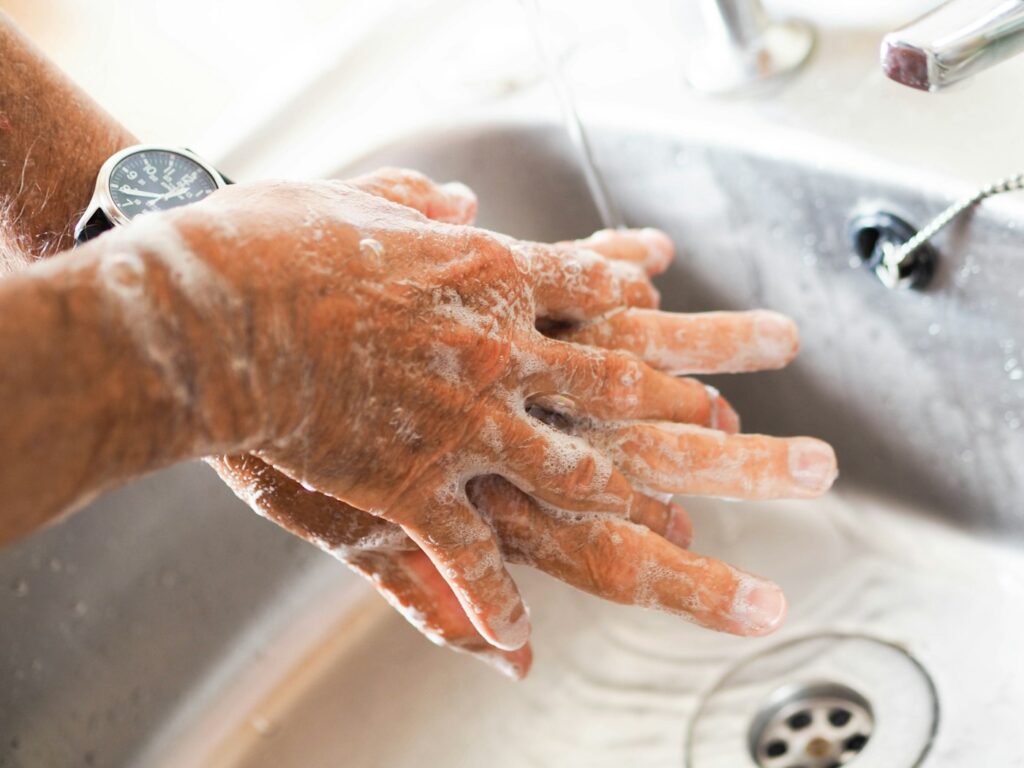
- Wash your hands every time before touching your tattoo.
- Follow aftercare exactly: gentle washing, a thin layer of moisturizer and no picking; see our tattoo aftercare guide.
- Stay out of water: no pools, hot tubs, lakes or oceans until fully healed.
- Keep it clean at night: fresh sheets and loose, clean clothing.
- Talk to your doctor first if you have diabetes, a heart condition or a weakened immune system.
The American Academy of Dermatology also recommends keeping new tattoos clean, moisturized and out of the sun and water while they heal.
Where Tattoo Infections Happen Most
Some placements have a higher risk because they sweat, rub or get dirty more easily. Feet and ankles are close to the ground and inside shoes. Hands touch everything. Waistlines, underarms and areas under bras or straps stay warm and moist, and joints like elbows and knees crack as they bend. Watch these spots more closely for tattoo infection signs, and keep them extra clean and dry. See our tattoo placement guide for more on how placement affects healing.
Healing After a Tattoo Infection
Once treatment starts, most people notice improvement within a few days. Keep following your doctor's instructions until the full course of any medicine is finished, even if the tattoo looks better. After the skin has fully recovered, the tattoo may have lighter patches or slightly raised areas. Wait until your doctor and artist agree the skin is ready before getting any touch up, which is often several weeks or months later.
Questions to Ask Your Doctor
- Is this an infection, an allergic reaction or normal healing?
- Do I need antibiotics, and which kind?
- Should I keep moisturizing, or stop for now?
- What signs mean I should come back or go to urgent care?
- When is it safe to swim, exercise or get a touch up?
Bring photos of how the tattoo looked on each day if you have them; they help a doctor see how the tattoo infection signs developed over time.
Frequently Asked Questions
How do I know if my tattoo is infected or just healing?
Healing improves every day. Infection signs get worse after the first two or three days: spreading redness, more pain, pus, heat or fever.
How long after a tattoo can an infection start?
Most infections show up within the first one to two weeks, but some can appear later. Allergic reactions can appear months or even years later.
Can a tattoo infection go away on its own?
Do not wait to find out. Mild problems are easy to treat early, but untreated infections can spread and cause scarring. See a doctor.
Will an infection ruin my tattoo?
Early treatment usually protects the tattoo. Severe infections can cause scarring or patchy healing, which an artist may be able to touch up later. Find more safety advice in our tattoo tips section and our first tattoo tips.