Tattoo Placement Guide: 10 Best Spots, Pain and Visibility
Tattoo placement is just as important as the design itself. The same rose can look delicate on the wrist, bold on the shoulder or elegant down the spine. Placement also decides how much the tattoo will hurt, how visible it is at work, how well it ages and whether it can grow into something bigger later. Choosing the right spot is the secret to a tattoo you will love for life. Your artist will test the position with a tattoo stencil before starting, so you can move it if needed.
This tattoo placement guide walks you through the 10 best spots on the body with real photos, including pain level, visibility and the designs that suit each one, plus the key questions to ask before you choose.
Table of Contents
How to Choose Your Tattoo Placement
- Visibility: do you want to see it every day, show it to others, or keep it private? Think about your job and dress code.
- Pain tolerance: areas with more muscle and fat hurt less than bony, thin-skinned spots.
- Size and shape: long designs suit the forearm, spine and ribs; round designs suit the shoulder, back and thigh.
- Aging: hands, feet and fingers fade faster, while the back and thigh age well because they get less sun and friction.
- Future plans: leave room if you might build a sleeve or back piece later.
- Body changes: the stomach, hips and chest can stretch with weight changes or pregnancy.
Tattoo Placement and Pain at a Glance
- Least painful (2 to 4): outer forearm, outer upper arm, shoulder, outer thigh, calf.
- Moderate (4 to 6): upper back, wrist, behind the ear, hip.
- Most painful (7 to 10): ribs, sternum, spine, feet, hands, fingers, knees, elbows, armpits and throat.
For a full body breakdown, see our tattoo pain chart.
The 10 Best Tattoo Placements With Photos
Each spot below includes a real photo, a pain rating from 1 to 10, how visible it is and the designs that work best there.
1. Forearm
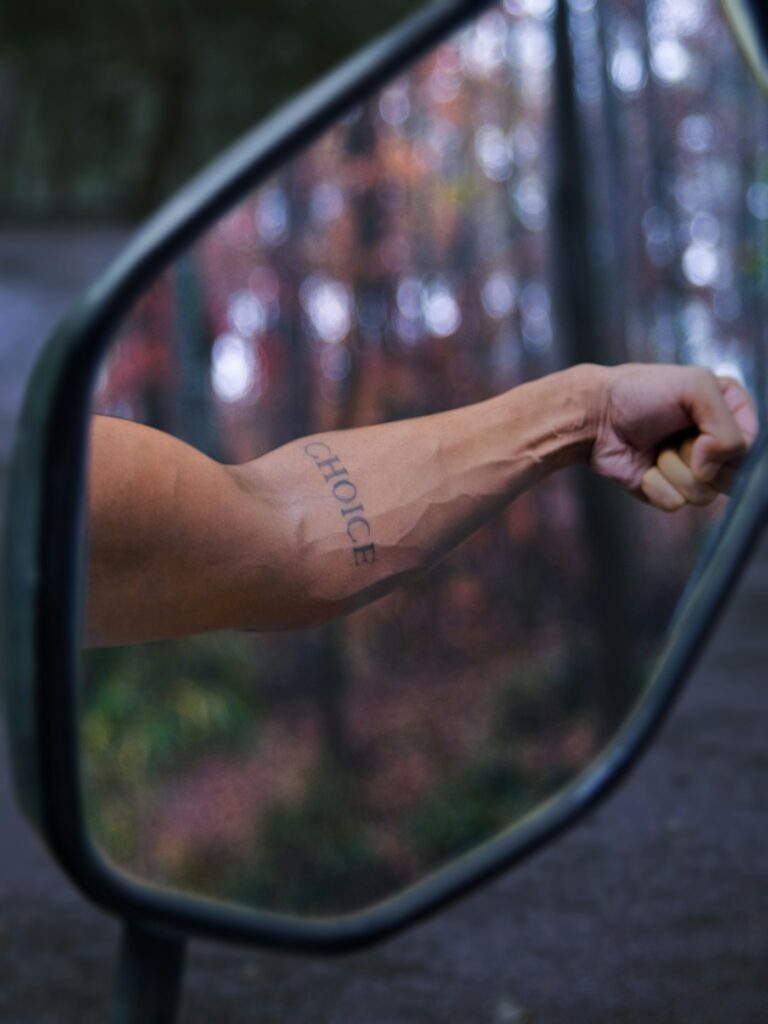
Pain: 3 to 5. Visibility: high, but long sleeves cover it. Best for: script, animals, florals and wraparound designs. The outer forearm is one of the easiest spots for a first tattoo. See our guides to forearm tattoos for women and forearm tattoo ideas for guys.
2. Shoulder and Upper Arm
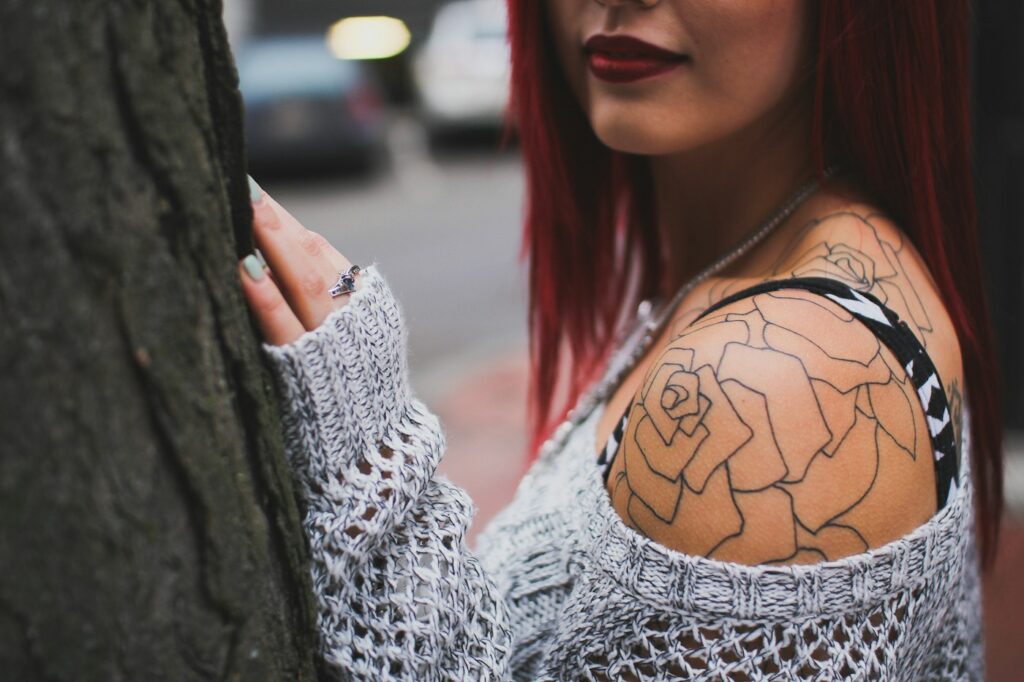
Pain: 3 to 5. Visibility: low to medium; a T-shirt covers it. Best for: roses, mandalas, animals and pieces that may grow into a sleeve. See our shoulder tattoos for men and arm tattoos for women guides.
3. Wrist
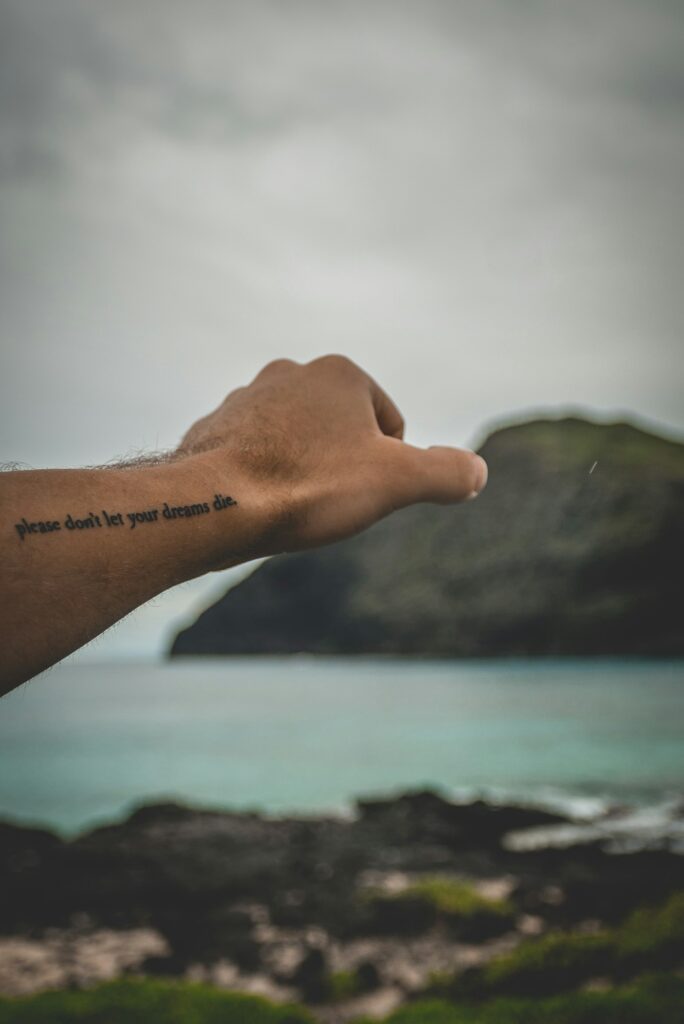
Pain: 5 to 6. Visibility: high. Best for: short script, dates, small symbols and bracelets. The inner wrist is a daily reminder you can see yourself.
4. Collarbone
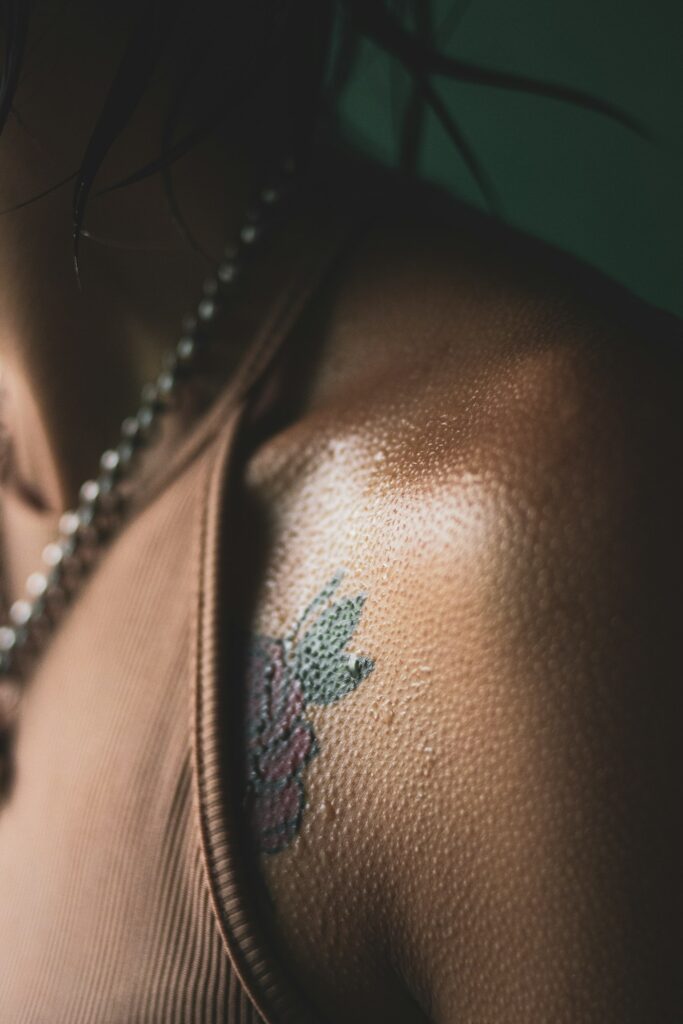
Pain: 6 to 7. Visibility: medium, depending on necklines. Best for: birds, script and small florals. The bone makes it sharper, but small pieces are quick.
5. Sternum
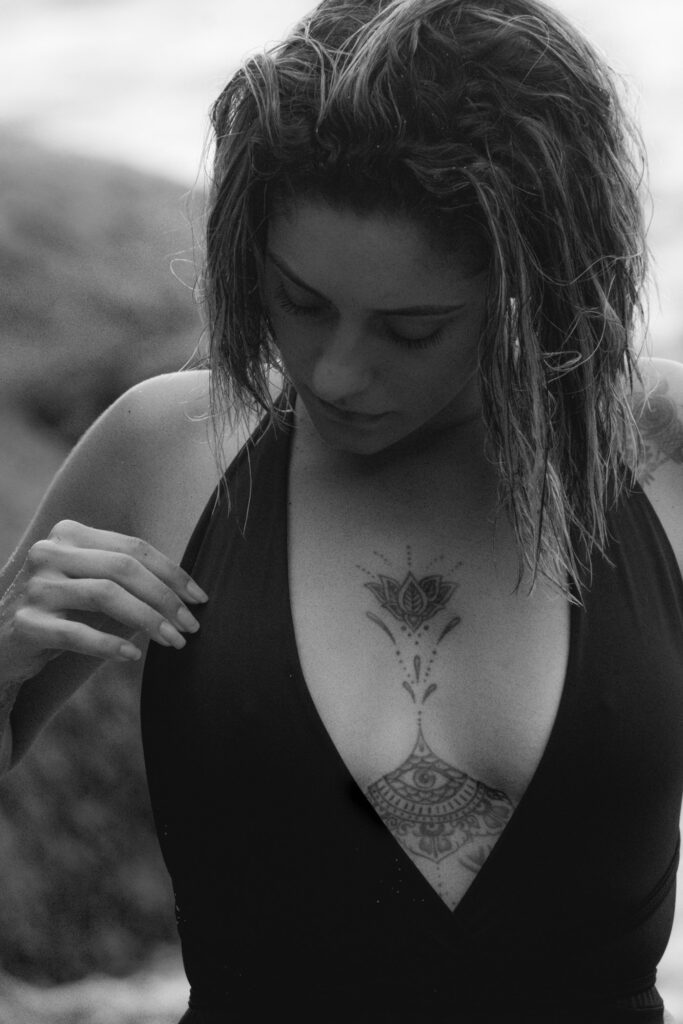
Pain: 7 to 8. Visibility: low. Best for: ornamental, mandala and symmetrical florals. See our chest tattoos for women.
6. Ribs
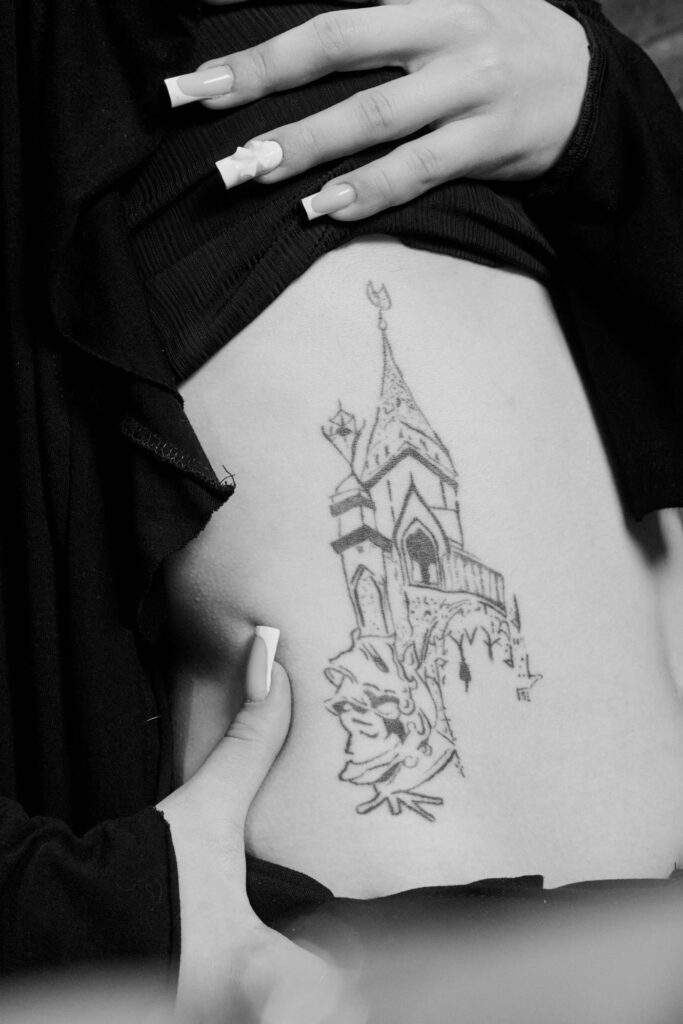
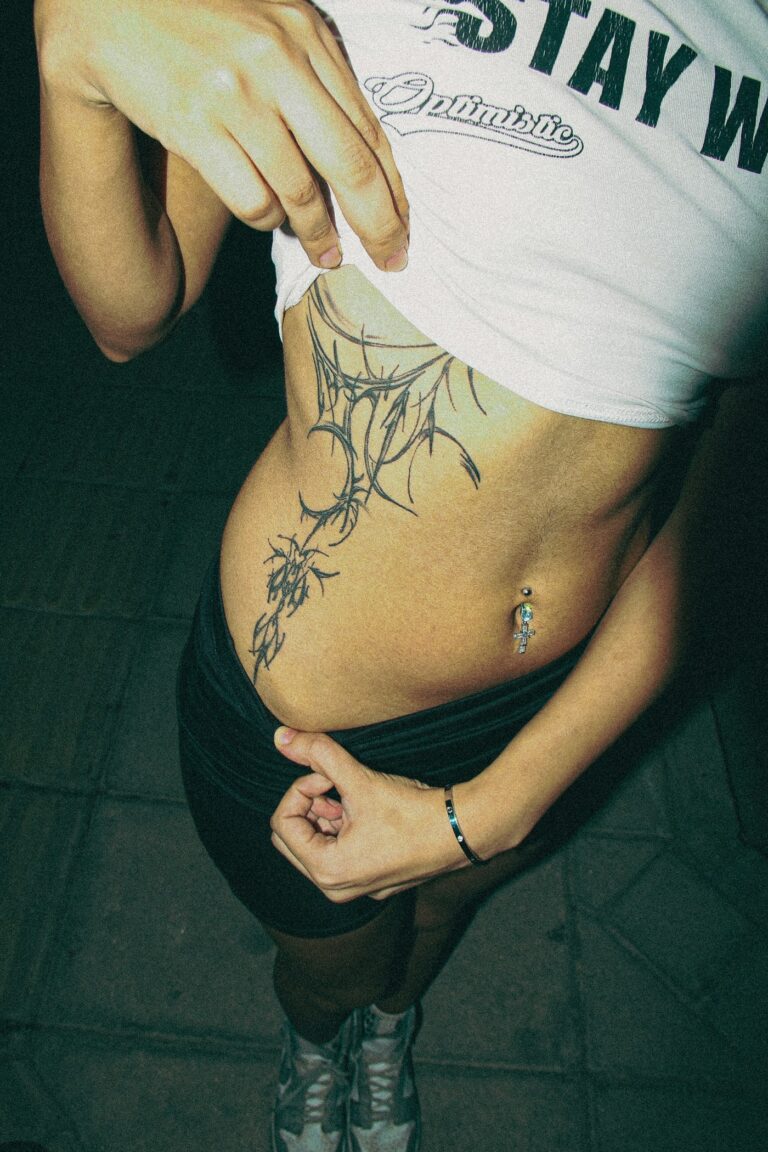
Pain: 7 to 9. Visibility: very low. Best for: vertical script, flowers and fine line art. One of the most painful spots, but very private.
7. Lower Back
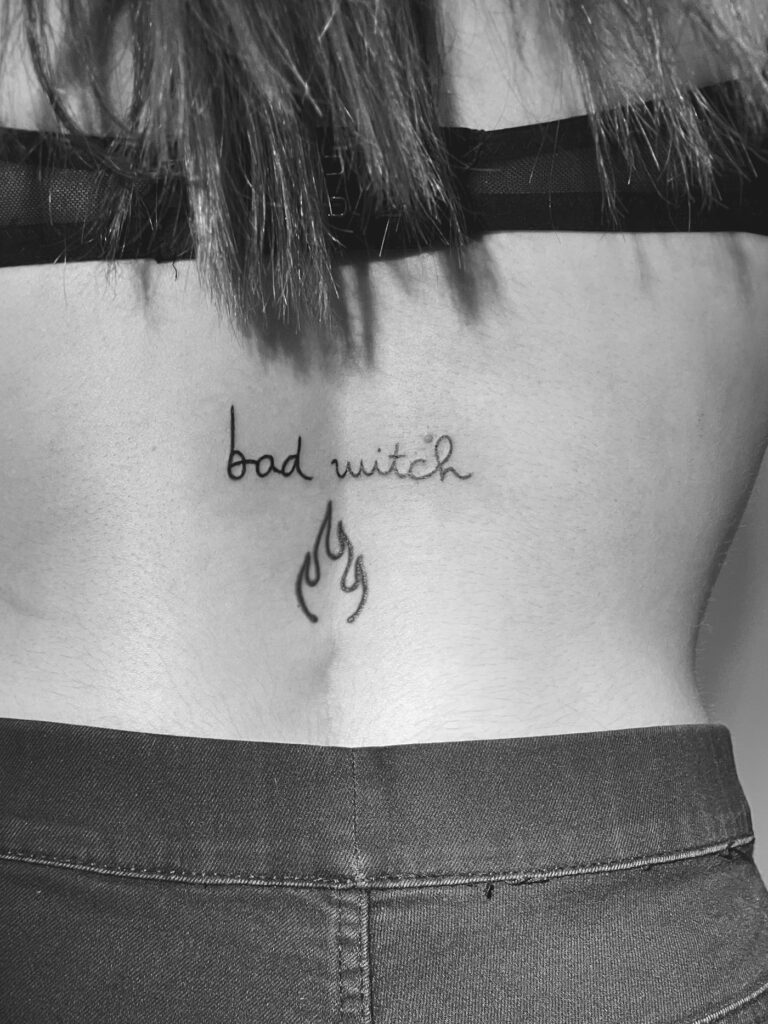
Pain: 6 to 7. Visibility: low. Best for: symmetrical script, butterflies and ornamental pieces. A classic placement that is back in style with modern fonts.
8. Ankle
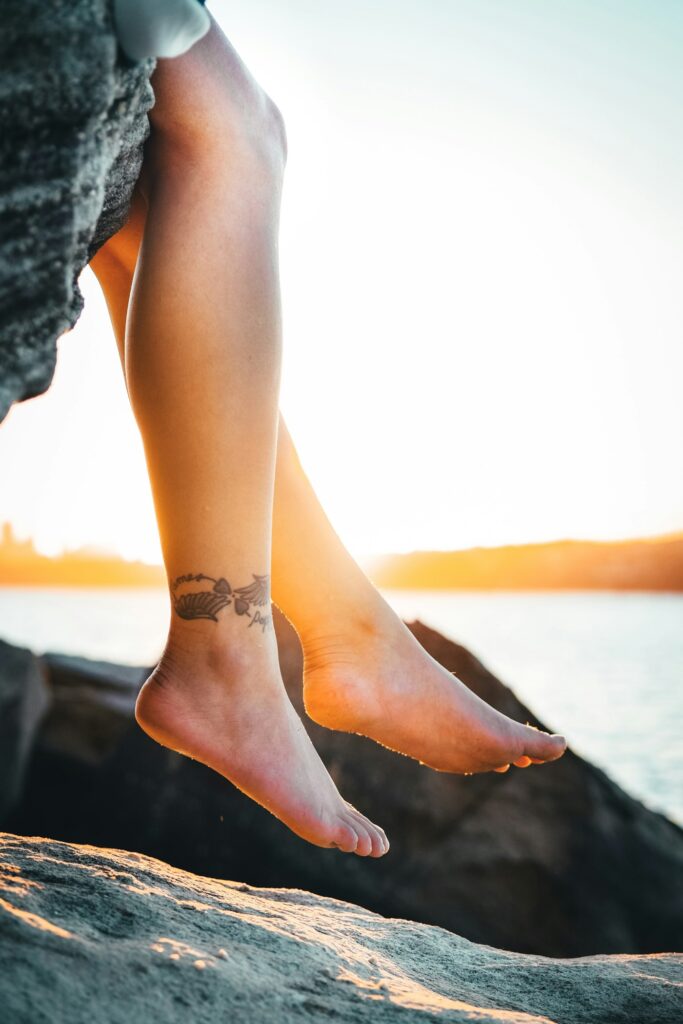
Pain: 6 to 7. Visibility: medium; socks and boots cover it. Best for: anklets, tiny symbols and waves. See our leg tattoos for women.
9. Behind the Ear and Neck

Pain: 4 to 7. Visibility: medium to high. Best for: tiny symbols behind the ear; bolder work on the side of the neck. See our neck tattoos for women and neck tattoos for men.
10. Fingers
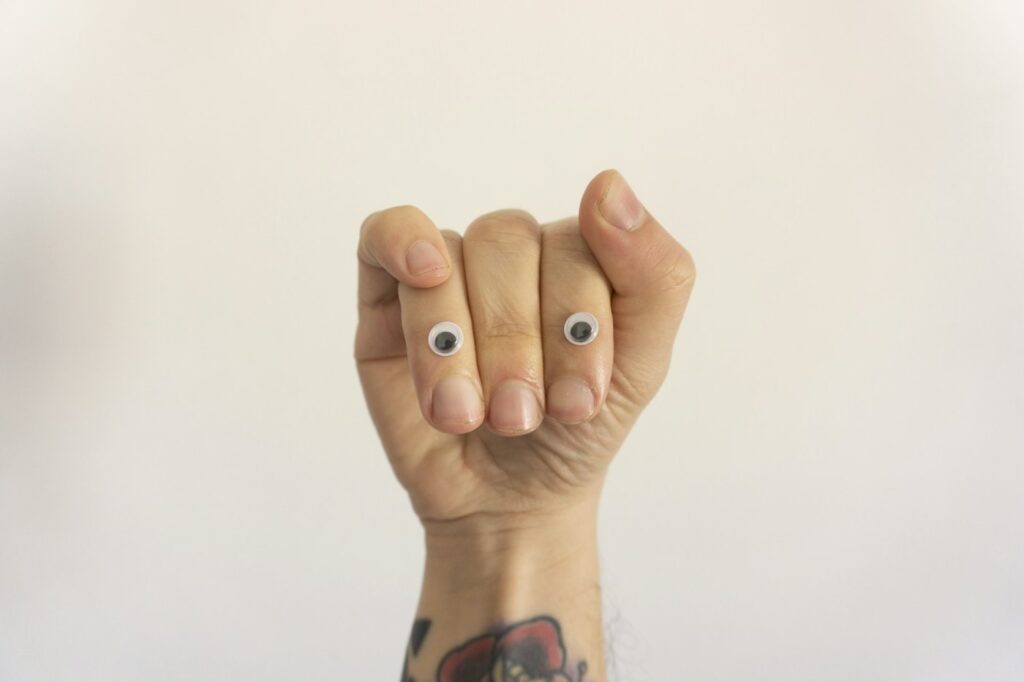
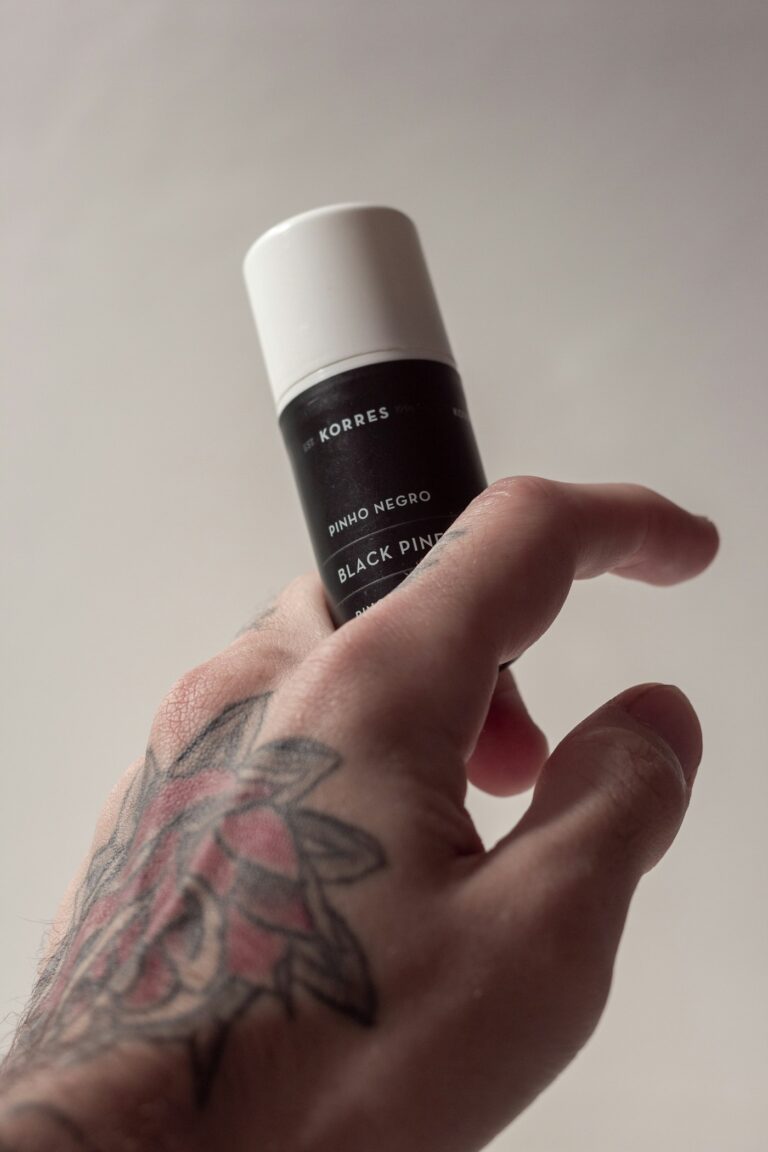
Pain: 6 to 8. Visibility: very high. Best for: tiny symbols, letters and bands. Finger tattoos fade faster and often need touch ups; see our hand tattoo guide.
Bigger Canvases: Back, Chest, Thigh and Legs
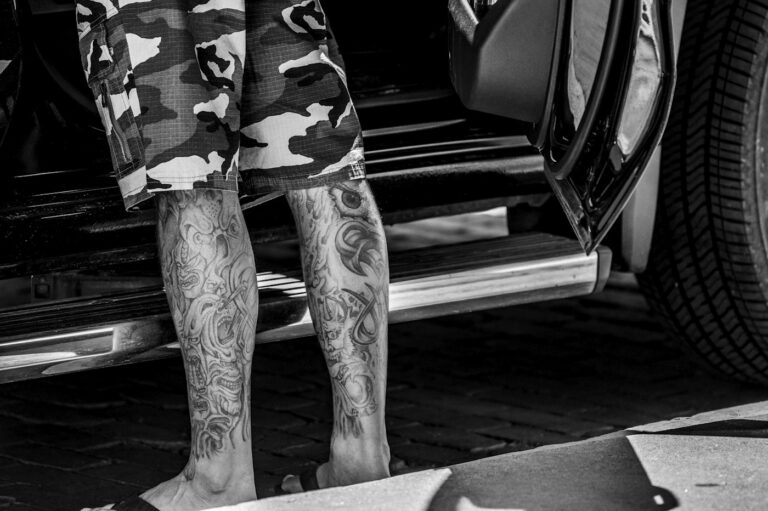
If you want a large piece, the back, chest, thigh and calves offer the most space. The back is the largest and ages very well; see our back tattoos for women and back tattoos for men. The chest is ideal for symmetrical designs; see our chest tattoos for men. The thigh and calf offer comfortable space for color and realism.
Best Tattoo Placement for a First Tattoo
For a first tattoo, choose a spot that is low in pain, easy to care for and easy to hide if you change your mind about showing it. The outer forearm, upper arm, shoulder, calf and upper back are the most popular choices. Save the ribs, feet, hands and throat for later, once you know how you handle the process. Our first tattoo tips guide covers everything else.
Tattoo Placement and Your Career
Tattoos are widely accepted in American workplaces today, but some jobs still have dress codes. Placements that are easy to cover, such as the upper arm, shoulder, back, chest, thigh and ribs, are the safest if you are unsure. Hand, finger, neck and face tattoos are the most visible and the hardest to hide, so think carefully before choosing them.
Tattoo Placement Meaning
Some people choose a spot for its symbolism. A tattoo over the heart holds a name or date close. The inner wrist is a reminder you see every day. The back can represent something you have left behind, while the forearm shows a message you want the world to see. There are no strict rules, but thinking about meaning can help you decide.
How to Test a Placement Before You Commit
- Try a temporary tattoo or draw the design with a skin-safe marker and wear it for a few days.
- Ask for stencil changes: a good artist will move the stencil until it looks right in the mirror.
- Check it in motion: stand, sit, raise your arms and bend. Skin shifts with movement.
- Take photos: look at the placement from several angles and distances.
Healing by Placement
Placements that move a lot or rub against clothes, such as hands, feet, elbows, knees and waistbands, heal more slowly and need extra care. Wear loose clothing, avoid friction and follow our tattoo healing process guide. The American Academy of Dermatology also shares useful aftercare tips.
Matching the Design to the Tattoo Placement
- Long and narrow designs such as script, arrows, snakes and flower stems fit the forearm, spine, ribs and calf.
- Round designs such as mandalas, roses and compasses fit the shoulder, upper back, thigh and kneecap.
- Wide designs such as wings and banners fit across the chest, collarbones and upper back.
- Tiny designs fit the wrist, ankle, behind the ear and fingers, but keep them simple.
- Symmetrical designs look best centered on the sternum, spine, back of the neck or lower back.
Tattoo Placement for Men and Women
Any placement works for anyone, but trends differ a little. Many men choose the forearm, upper arm, chest, back and calves for bold pieces; see our arm tattoos for men guide. Many women choose the ribs, hip, thigh, collarbone, behind the ear and ankle for more delicate designs. The best tattoo placement is simply the one that fits your design, your body and your life. See our collarbone tattoo ideas.
Take your time with this decision. A great design in the right place will look good for decades, while the same design in the wrong place can feel awkward. Use this tattoo placement guide as a checklist when you talk to your artist.
Frequently Asked Questions
What is the best tattoo placement?
The best tattoo placement depends on your design, pain tolerance and how visible you want it. The outer forearm, shoulder, upper back and thigh are popular all-round choices.
What is the least painful tattoo placement?
The outer forearm, outer upper arm, shoulder, outer thigh and calf are the least painful.
Where do tattoos age best?
Areas with less sun and friction, such as the back, upper arm, thigh and ribs, usually age best.
Where should I avoid getting a tattoo?
For a first tattoo, avoid very painful or fast-fading spots like fingers, feet and palms. Explore more in our tattoo placements category and small tattoo ideas.