Tattoo Itching: 9 Safe Ways to Get Quick Relief Without Scratching
Around a week after getting tattooed, almost everyone hits the same wall: an intense, maddening itch right over the new ink. You know you should not scratch, but it feels impossible not to. Tattoo itching is one of the most common parts of healing, and learning how to handle it protects both your skin and your artwork.
This guide explains why tattoo itching happens, how long it lasts, safe ways to calm it without scratching, and the warning signs that mean the itch is something more serious, such as an allergy or infection. We also cover why old, healed tattoos sometimes start itching years later.
Table of Contents
Why Does Tattoo Itching Happen?
A new tattoo is a wound, and healing wounds itch. As the skin repairs itself, your body releases histamine and other chemicals that trigger the itch signal. At the same time, the top layer of skin dries, tightens and starts to flake, and nerve endings in the area become extra sensitive.
In other words, mild tattoo itching is a sign that the healing process is on track. The key is to relieve it without damaging the fragile skin or pulling out ink.
When Does Tattoo Itching Start and How Long Does It Last?
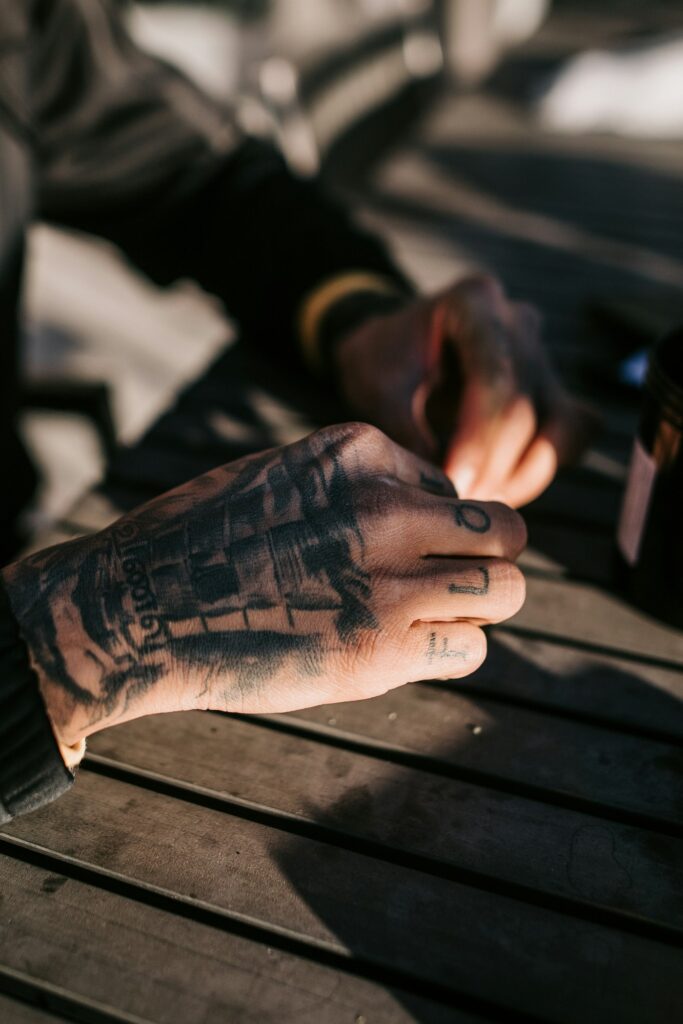
- Days 1 to 3: the tattoo feels sore and warm more than itchy.
- Days 4 to 7: itching begins as scabs and flakes form.
- Days 7 to 14: the peak of tattoo itching, while the skin peels.
- Weeks 3 to 4: the itch fades as the surface finishes healing.
Large pieces, color packing and areas that rub against clothing can itch for longer. Read our tattoo healing process guide for a full stage by stage timeline.
Why You Should Never Scratch a New Tattoo
Scratching feels good for a second, but your nails can tear scabs off early, pull ink out of the skin, spread bacteria and leave scars. Patchy, faded spots are often caused by scratching in the second week. Rubbing with a towel or clothing does the same damage.
9 Safe Ways to Relieve Tattoo Itching
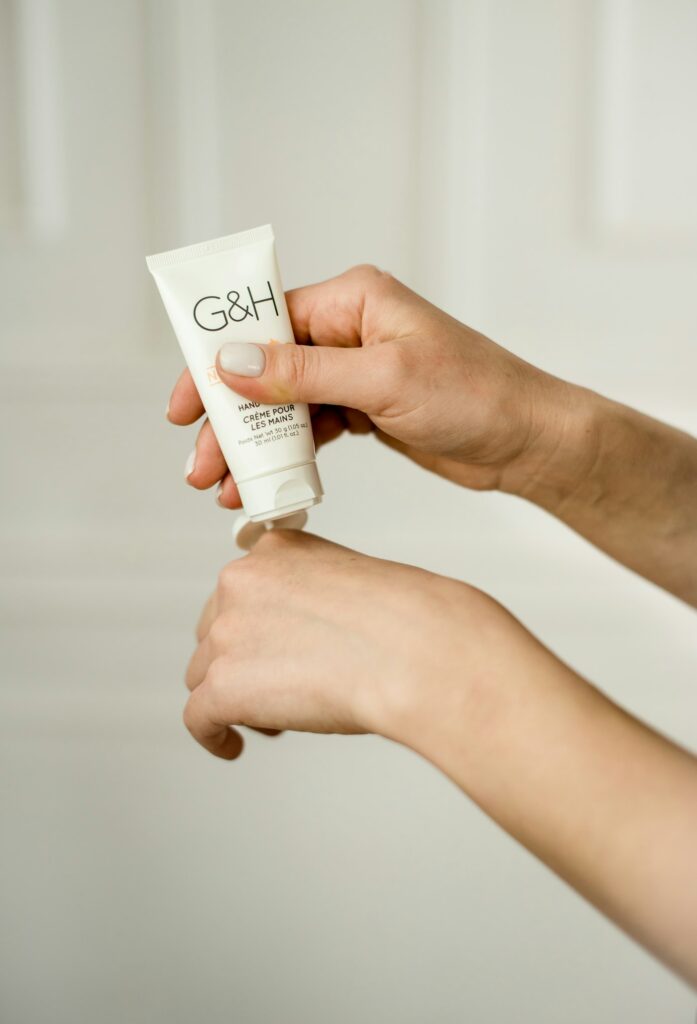
- Moisturize lightly. A thin layer of fragrance free lotion or tattoo balm softens dry, tight skin, which is the main cause of tattoo itching.
- Tap or gently slap the area with a clean, flat hand. It interrupts the itch signal without breaking the skin.
- Use a cool compress. Wrap a cold pack or a bag of frozen peas in a clean paper towel and hold it near the tattoo for a few minutes. Keep it clean and dry.
- Take a lukewarm shower. Hot water increases itching; lukewarm water soothes it.
- Wear loose, soft clothing such as cotton, so fabric does not rub the tattoo.
- Keep your nails short so accidental scratching in your sleep does less harm.
- Distract yourself. Itching feels worse when you are bored or trying to sleep.
- Stay hydrated. Well hydrated skin is less dry and less itchy.
- Ask about antihistamines. A pharmacist or doctor may suggest an oral antihistamine for severe itching, especially at night.
Avoid scented lotions, alcohol based products, heavy petroleum jelly and anti itch creams with numbing agents unless a doctor recommends them. They can irritate or trap bacteria. Our tattoo aftercare guide lists safe product choices.
Is Tattoo Itching Ever a Bad Sign?
Normal tattoo itching is mild to moderate, comes and goes, and slowly fades after two weeks. See a doctor if itching comes with any of the following:
- Infection: spreading redness, heat, pus, worsening pain, red streaks or fever. See our tattoo infection signs guide.
- Allergic reaction: a raised, bumpy, very itchy rash, often limited to one ink color, most commonly red. It can appear days, months or even years later.
- Contact dermatitis: a rash from aftercare products, bandages or soap, usually spreading beyond the tattoo.
- Swelling that gets worse after the first three days.
The American Academy of Dermatology notes that ink reactions are uncommon but can happen with any tattoo, so it is worth getting persistent symptoms checked.
Why Do Old Tattoos Itch?

Tattoo itching can also appear months or years after healing. Common causes include:
- Dry skin in winter or after sun exposure.
- Sun sensitivity, especially in red and yellow inks. Use sunscreen on healed tattoos.
- Weather and heat, which can make raised lines swell slightly and itch.
- Late allergic reactions to a specific pigment.
- Skin conditions such as eczema or psoriasis flaring in the tattooed area.
- Sarcoidosis, a rare inflammatory condition that can show up in tattoos.
Occasional itching of a healed tattoo is usually harmless and responds to moisturizer. Persistent raised, itchy lines deserve a visit to a dermatologist.
Does Tattoo Itching Mean It Is Healing?
Usually, yes. Mild itching between the first and third week shows that new skin is forming. It often arrives together with tattoo peeling and light tattoo scabbing. As long as there are no signs of infection or allergy, itching is simply part of the journey.
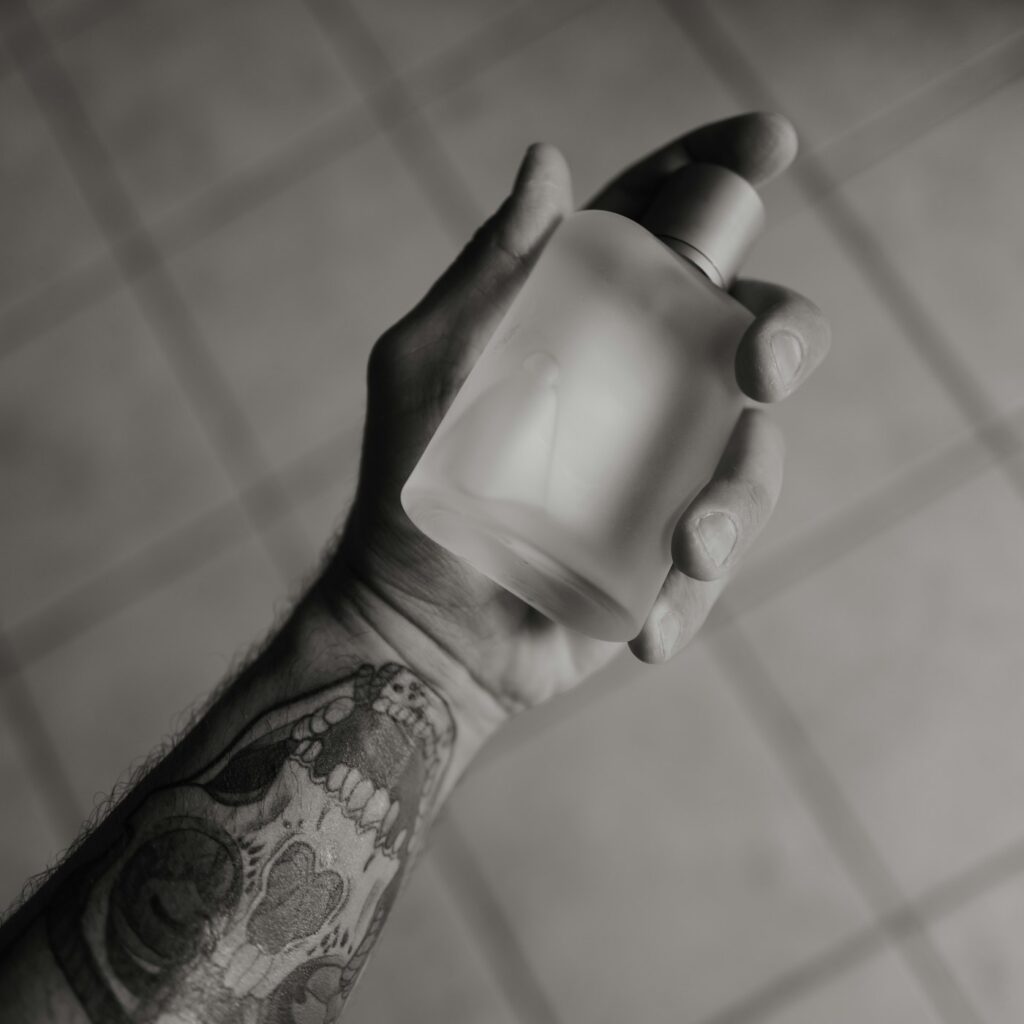
Which Placements Itch the Most?
Some spots are simply itchier than others. Areas that rub against clothing all day, such as the ribs, waist, back and thighs, tend to itch more because fabric keeps irritating the healing skin. Feet and ankles itch when socks and shoes press on them. Hands and fingers dry out quickly from frequent washing.
Thin skin, like the inner arm or wrist, can feel more sensitive, while fleshy areas such as the outer thigh often itch less intensely. If you are still choosing a spot, our tattoo placement guide compares healing and comfort across the body.
How to Get Through Itchy Nights
Night is when most people lose the battle and scratch in their sleep. A few simple habits help:
- Moisturize lightly about an hour before bed so the skin is soft but not greasy.
- Sleep in clean, loose cotton clothing or on fresh, clean sheets.
- Keep the bedroom cool, since warmth makes itching worse.
- Cover the tattoo loosely with a clean cotton sleeve or T shirt if you tend to scratch in your sleep.
- Trim your nails before bed during the first two weeks.
If itching keeps you awake for several nights in a row, talk to a pharmacist or doctor rather than trying stronger creams on your own. Relief is usually simple once you know the cause.
Frequently Asked Questions
How long does tattoo itching last?
Most people itch for about one to two weeks, starting around day four. Large tattoos may itch a little longer.
Can I put anti itch cream on a new tattoo?
Avoid over the counter anti itch creams on fresh tattoos unless a doctor recommends one. A thin layer of fragrance free lotion is usually enough.
Is it normal for a tattoo to itch at night?
Yes. Itching often feels worse at night because there are fewer distractions and the skin warms up under blankets.
Why is only one color of my tattoo itchy?
Itching limited to one color, especially red, can be a sign of an ink allergy. Show it to a dermatologist.
Can I use ice on an itchy tattoo?
Yes, but never put ice directly on the skin. Wrap it in a clean paper towel and keep it dry.
Image Credits
All photos from Unsplash: Kateryna Hliznitsova, Dillon Wanner, David Valentine and Italo Guimas.