Stick and Poke Tattoo: 5 Important Facts Before You Get One (Honest Guide)
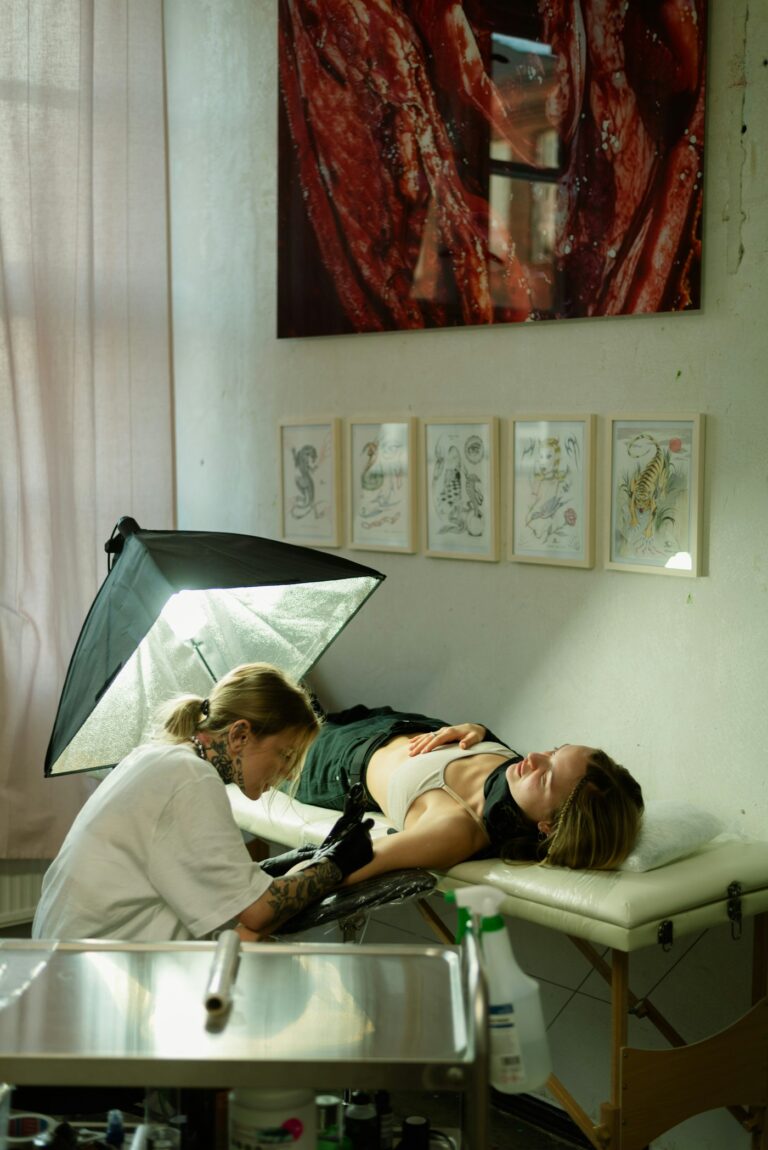
A stick and poke tattoo is made the oldest way possible: dot by dot, with a single needle pushed into the skin by hand, without a tattoo machine. The look is soft, a little imperfect and full of character, which is exactly why hand poked tattoos have become so popular with fans of minimal and indie art.
This guide explains what a stick and poke tattoo is, where the technique comes from, how it compares to machine work, what it costs, how much it hurts, how long it lasts, and why choosing a professional hand poke artist matters far more than most people think.
Table of Contents
What Is a Stick and Poke Tattoo?
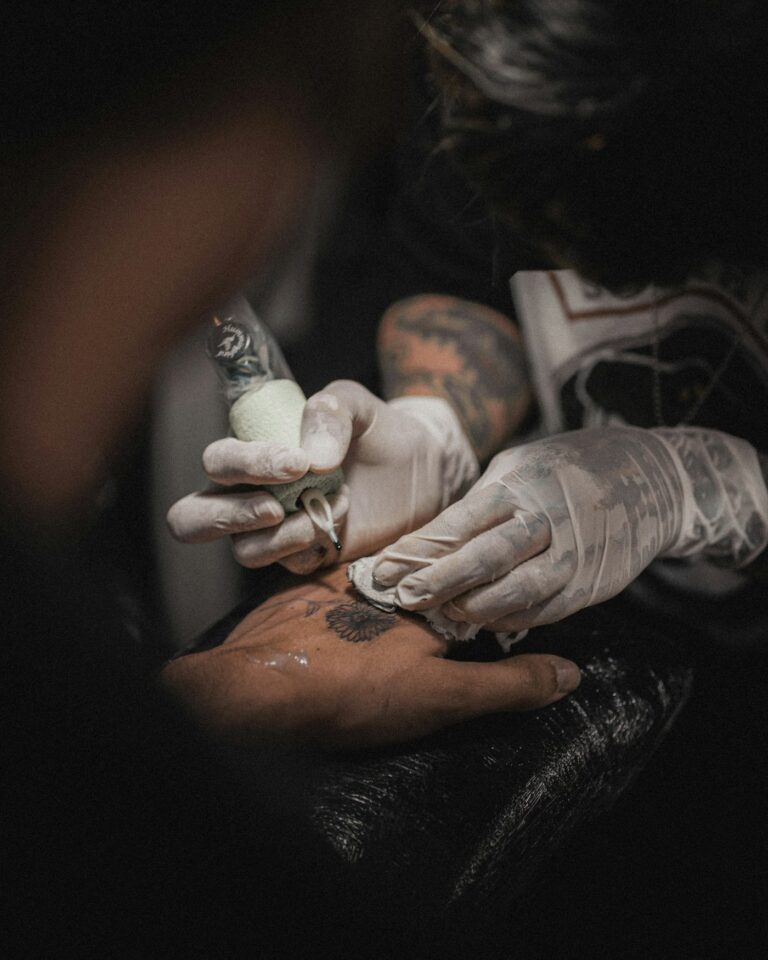
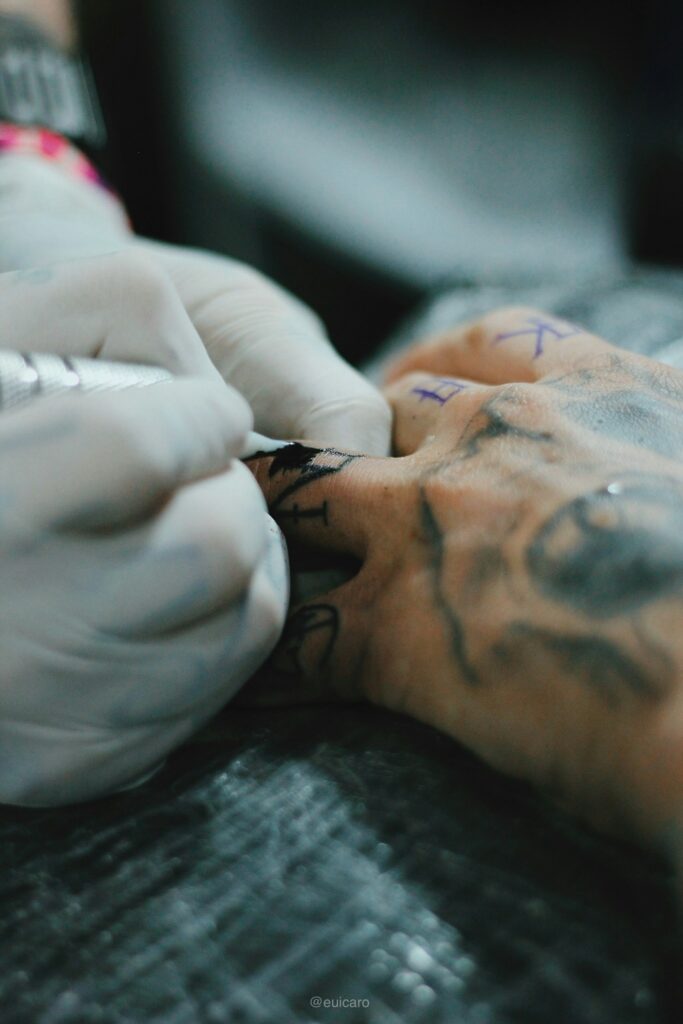
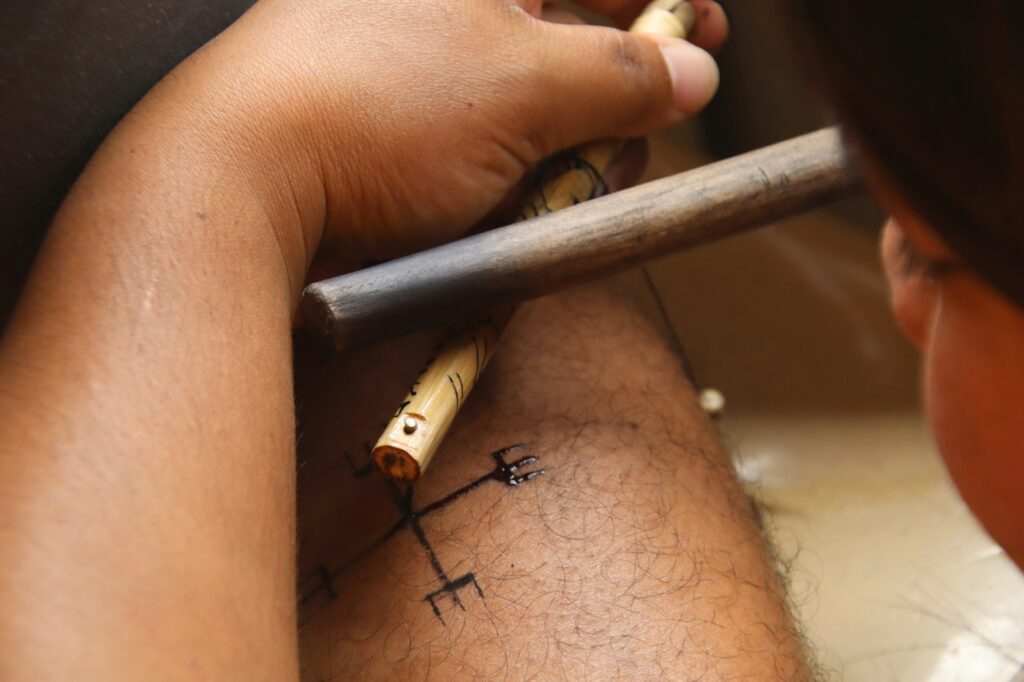
In a stick and poke tattoo, the artist dips a sterile needle in ink and places each dot manually. Lines are built up from many tiny dots, and shading comes from how closely those dots are spaced. There is no buzzing machine, just a quiet tapping or pressing rhythm.
Today the term covers two very different things. Professional hand poke artists work in licensed studios with sterile, single use needles mounted on holders, professional tattoo ink and full hygiene procedures. At the other end are DIY tattoos done at home with sewing needles and random ink, which carry real health risks.
A Short History of Hand Poked Tattoos
Hand tattooing is thousands of years old. Otzi the Iceman, who lived around 5,300 years ago, had 61 tattoos made by rubbing charcoal into small cuts. Polynesian cultures used combs and mallets to tap in intricate designs, Japanese tebori masters still work with bundles of needles on long handles, and Thai Sak Yant tattoos are applied with a long metal rod.
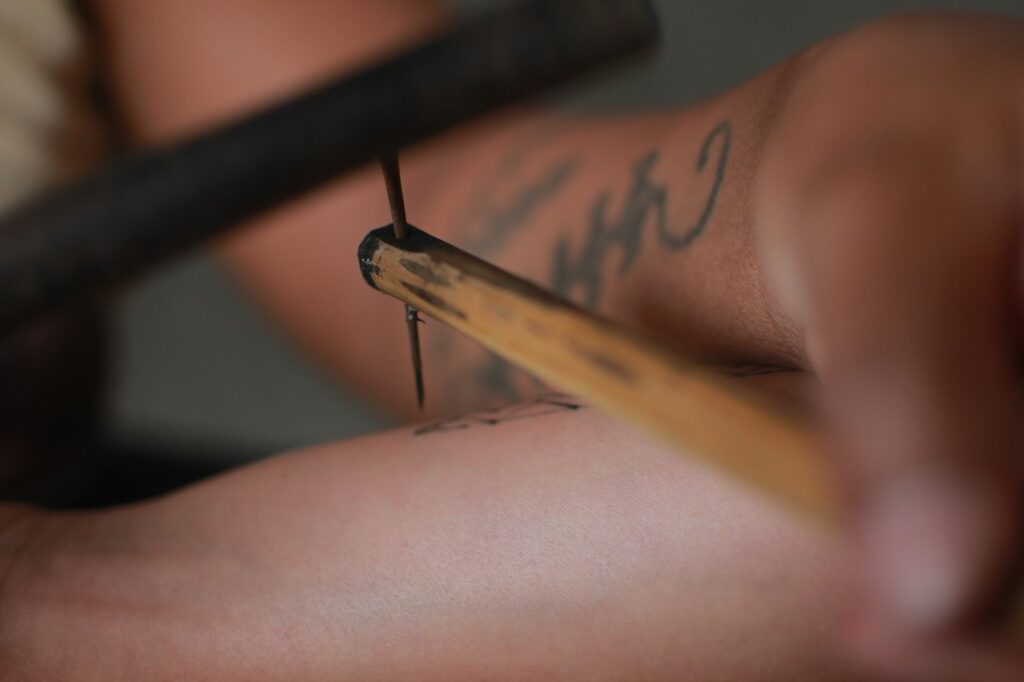
In the West, the modern stick and poke tattoo grew out of punk, prison and DIY culture in the 1970s and 1980s. Over the last decade it has moved into professional studios, where artists use the same slow technique to create delicate, custom art. Our guide to Japanese tattoo ideas covers tebori in more detail.
5 Important Facts Before You Get One
- It is a real, permanent tattoo. Hand poking is not a temporary or lighter option. Treat the decision with the same care as any tattoo.
- Simple designs work best. Small symbols, dotwork and fine lines suit the technique; photo realism does not.
- It takes longer. Plan for a longer session and book a comfortable time of day.
- Expect some softness. Lines may look slightly textured and can fade faster, so a touch up is normal.
- The artist matters most. Sterile tools, professional ink and experience are what separate a beautiful hand poke from an infected mistake.
Keep these five facts in mind and a hand poked piece can be one of the most personal tattoos you own. If this is your first time, our first tattoo tips will help you prepare.
Stick and Poke vs Machine Tattoos
- Look: hand poke lines are softer and slightly textured; machine lines are crisper and more uniform.
- Speed: a stick and poke tattoo takes much longer, often two to four times as long as the same design by machine.
- Skin trauma: many people find hand poking gentler, with less swelling and redness afterwards.
- Designs: hand poke suits small, simple and dotwork designs best; large realistic pieces are better by machine.
- Sound: no buzzing, which many nervous clients find calming.
Does a Stick and Poke Tattoo Hurt?
Most people describe hand poking as less painful than a machine, more like a series of small pinches or scratches. Because it is slower, though, you spend more time in the chair. Pain still depends heavily on placement: ribs, feet and hands hurt more than the outer arm or thigh. Check our tattoo pain chart to compare areas.
How Long Does a Stick and Poke Tattoo Last?
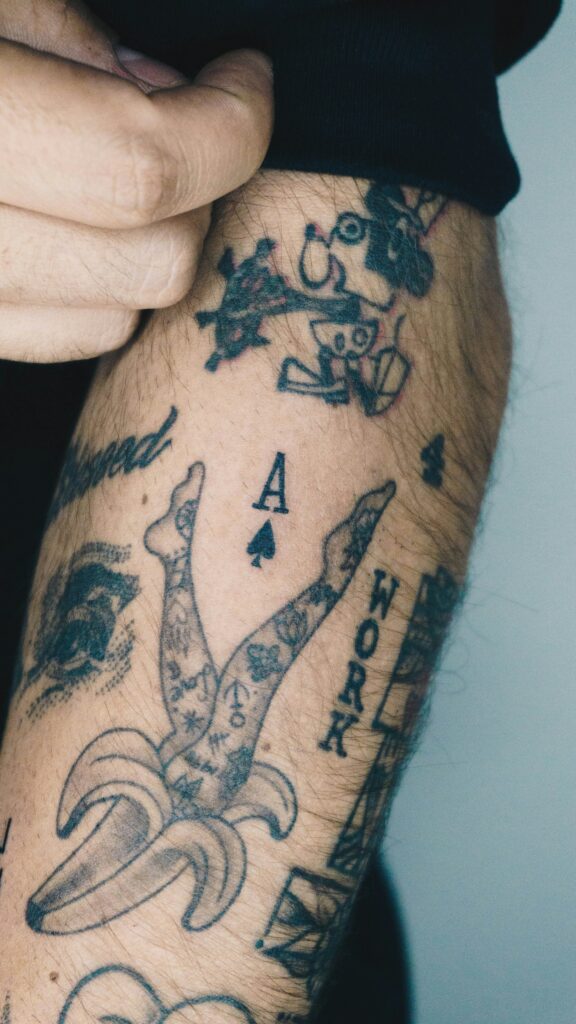
A professionally done stick and poke tattoo is permanent and can last a lifetime, although fine lines may soften and fade a little faster than machine work. Amateur pokes often fade unevenly or disappear in patches because the ink was placed too shallow in some spots and too deep in others. A good artist knows the correct depth and will offer a touch up if needed.
How Much Does a Stick and Poke Tattoo Cost?
In the US, a small professional hand poke usually costs 80 to 200 dollars, with many artists charging 100 to 200 dollars per hour. Because the technique is slower, larger pieces can cost more than the same design done by machine. Read our tattoo cost guide for more on how artists set prices.
Why You Should Avoid DIY Stick and Poke
Home kits and online tutorials make a DIY stick and poke tattoo look easy, but the risks are serious:
- Infection: non sterile needles, surfaces and hands can introduce bacteria.
- Bloodborne diseases: sharing needles or ink can spread hepatitis B, hepatitis C and HIV.
- Unsafe ink: pen ink, India ink from craft stores and homemade mixtures can contain contaminants and cause reactions.
- Scarring and blowouts: going too deep causes scarring and blurry lines. Learn more in our tattoo blowout guide.
- Regret: shaky, uneven results are hard to fix later.
The FDA warns that contaminated inks and unsterile practices can cause infections, and the safest choice is always a licensed professional.
How to Find a Good Hand Poke Artist
- Look for a licensed studio and an artist who specializes in hand poke.
- Check healed photos in their portfolio, not just fresh ones.
- Make sure they open new, sterile, single use needles in front of you.
- Ask what ink they use; it should be professional tattoo ink.
- Pick a design that suits the technique: dots, fine lines, small symbols and minimal art.
Best Designs for a Stick and Poke Tattoo
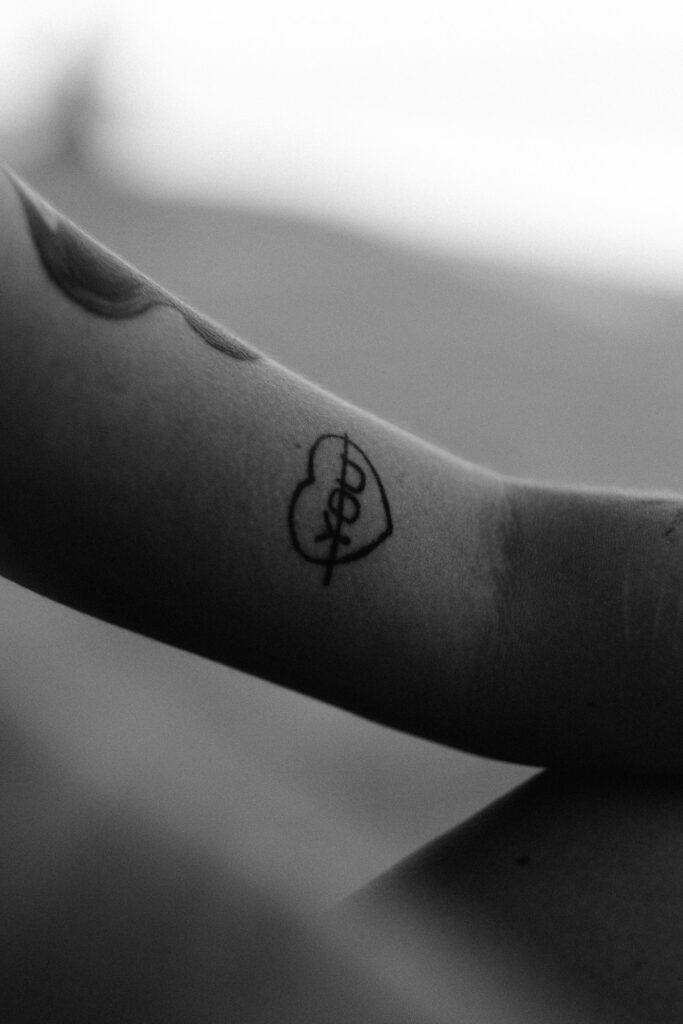
Hand poking shines with small, simple designs. Popular ideas include tiny stars, moons, hearts, flowers, animals drawn in a few lines, geometric dotwork, script initials and patchwork collections of small symbols. For inspiration see our small tattoo ideas and fine line tattoos guides.
Aftercare for a Stick and Poke Tattoo
Aftercare is the same as for a machine tattoo. Keep it clean, wash gently with fragrance free soap, pat dry, and apply a thin layer of balm. Avoid soaking, sun and scratching for two to four weeks. Hand poked tattoos often heal a little faster because the skin is less traumatized. Follow our tattoo aftercare guide for details.
Frequently Asked Questions
Is a stick and poke tattoo permanent?
Yes. When done correctly by a professional, a stick and poke tattoo is permanent, though it may fade a bit faster than machine work.
Do stick and poke tattoos hurt less?
Many people find them less painful, but sessions take longer. Placement matters more than technique.
Can you get a stick and poke tattoo removed?
Yes. Laser removal works on hand poked tattoos and may need fewer sessions because there is often less ink. See our tattoo removal cost guide.
Can a stick and poke be covered up?
Yes. Small hand poked tattoos are usually easy to cover or rework. See our cover up tattoo ideas.
Is stick and poke safe?
It is safe when done by a licensed professional with sterile tools and proper ink. DIY stick and poke carries real risks of infection and disease.
Image Credits
All photos from Unsplash: Sergio Kian, Rondell Chaz Mabunga, BLOG REGION, Icaro Abrantes, Omar Maldonado and peter bucks.