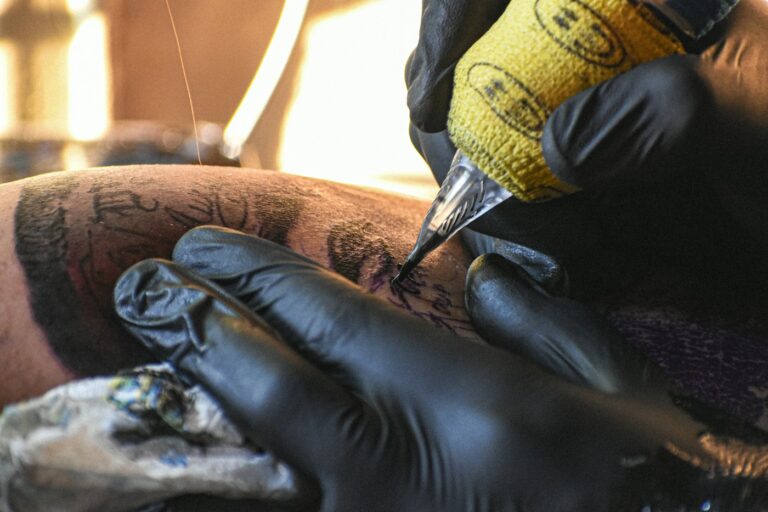
Tattoo Numbing Cream: 5 Essential Safety Facts and Better Ways to Ease Pain
Pain is the number one worry for people planning a tattoo, especially on sensitive spots like the ribs, feet or spine. That is why tattoo numbing cream is one of the most searched tattoo products in America. It promises a nearly painless session, but it also comes with real safety questions that many product ads skip over.
This guide explains how tattoo numbing cream works, what the ingredients do, what the FDA has warned about, how to talk to your artist about it, and the safer ways to manage tattoo pain. It is general information, not medical advice, so check with a doctor or pharmacist if you have any health conditions.
Table of Contents
What Is Tattoo Numbing Cream?
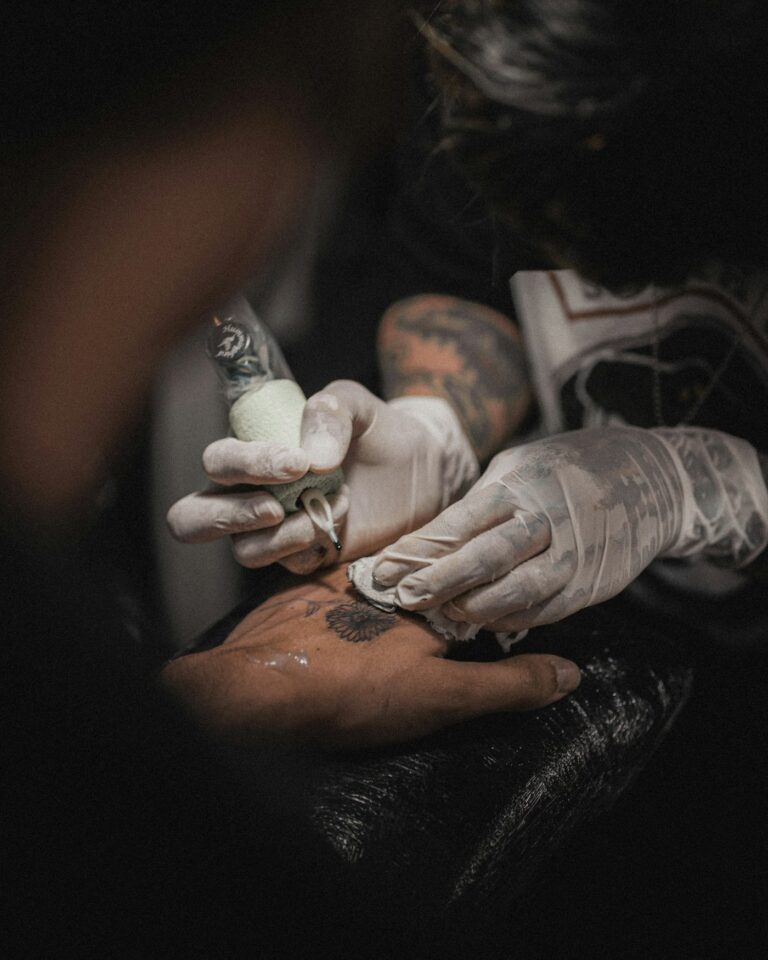
Tattoo numbing cream is a topical anesthetic applied to the skin before a tattoo to dull the feeling of the needle. It works by temporarily blocking nerve signals in the top layers of skin. Most products are creams or gels; some artists also use sprays or gels during the session once the skin is open.
Common Ingredients
- Lidocaine: the most common numbing agent. Over the counter pain relief products in the US are generally limited to 4 percent lidocaine.
- Prilocaine: often combined with lidocaine in prescription creams.
- Benzocaine and tetracaine: other local anesthetics found in some products.
- Epinephrine: sometimes added to sprays used during a session to reduce bleeding and swelling.
The strength and combination matter. Stronger is not always better; higher concentrations absorb into the body in larger amounts, which is where the risks begin.
What the FDA Has Warned About
In 2024 the FDA warned consumers not to use certain over the counter pain relief products marketed for tattooing, piercing and other cosmetic procedures. Some of these products were labeled with lidocaine at concentrations higher than what is allowed for over the counter use. According to the FDA warning, using high concentration products in ways that increase absorption can cause serious effects such as irregular heartbeat, seizures and breathing problems.
The FDA also advises consumers not to wrap skin treated with these products in plastic wrap or other dressings, because covering the skin increases absorption and the chance of side effects. This is important, because many online guides still tell people to cover tattoo numbing cream with cling film.
Is Tattoo Numbing Cream Safe?
Used carefully, as labeled and on a small area, a legal over the counter product is low risk for most healthy adults. The risk rises with large areas, strong or unregulated products, covering the skin, heat and long application times. Talk to a doctor or pharmacist first if you:
- Are pregnant or breastfeeding.
- Have heart, liver or kidney problems.
- Have had a reaction to local anesthetics, such as at the dentist.
- Take heart rhythm medication or other prescription drugs.
- Are planning a very large piece, such as a full back.
Stop using the product and seek medical help right away if you feel dizzy, confused, short of breath, notice an irregular heartbeat or have blurred vision.
5 Essential Safety Facts About Tattoo Numbing Cream
- Strength limits exist for a reason. Over the counter tattoo numbing cream in the US is generally limited to 4 percent lidocaine. Products sold online with higher strengths may not be legal or safe for home use.
- Do not wrap it. Covering tattoo numbing cream with plastic wrap or dressings increases absorption. The FDA advises against it.
- Smaller area, lower risk. Applying tattoo numbing cream to a large area, such as a whole back, raises the amount absorbed into your body.
- Your artist must agree. Some artists refuse to work on numbed skin, so always ask before your appointment.
- Know the warning signs. Dizziness, a racing or irregular heartbeat, confusion, blurred vision or trouble breathing mean you should stop and get medical help immediately.
Following these facts keeps tattoo numbing cream in the low risk zone. When in doubt, ask a pharmacist; they can check ingredients against your medications in minutes.
Buying Tattoo Numbing Cream: What to Check
If you decide to buy a product, read the label before anything else. Look for a clear list of active ingredients with their percentages, US drug facts labeling, directions for use, warnings and an expiration date. Be wary of products that promise zero pain, list vague ingredients, or are shipped from sellers with no contact details. Avoid mixing different numbing products or using a numbing spray on top of a cream unless your artist provides it and knows the combined dose.
Always Ask Your Tattoo Artist First
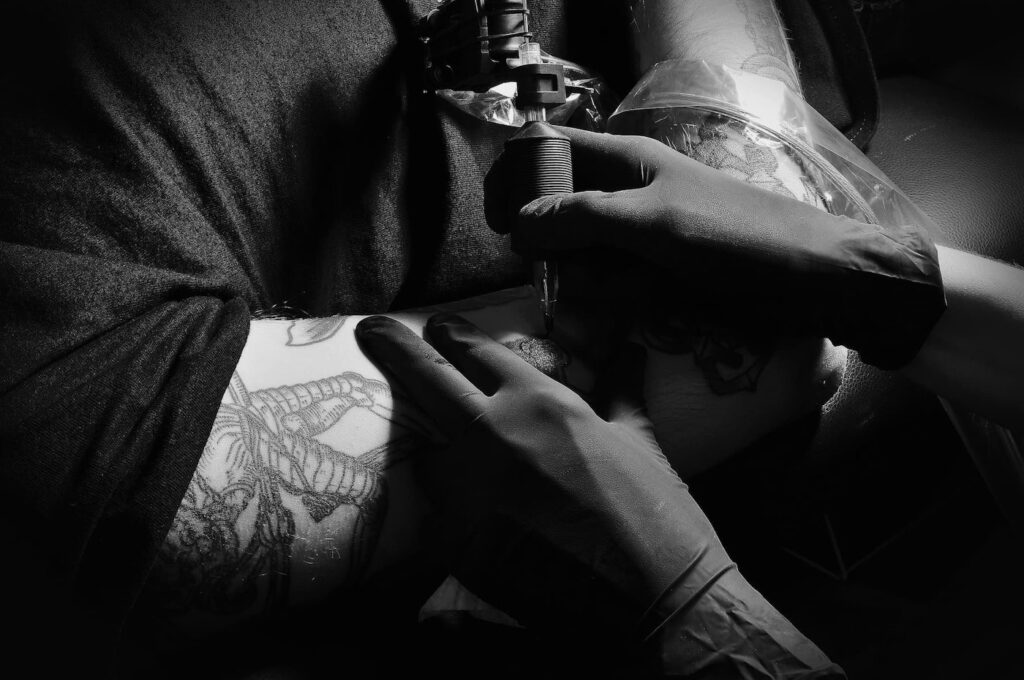
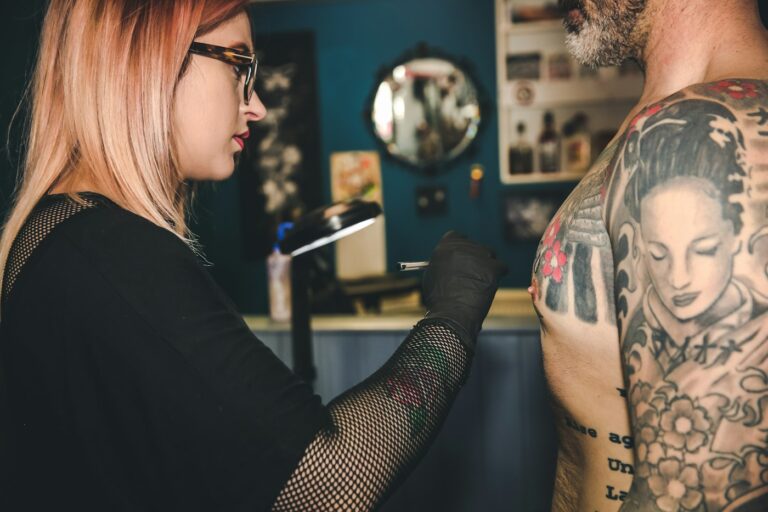
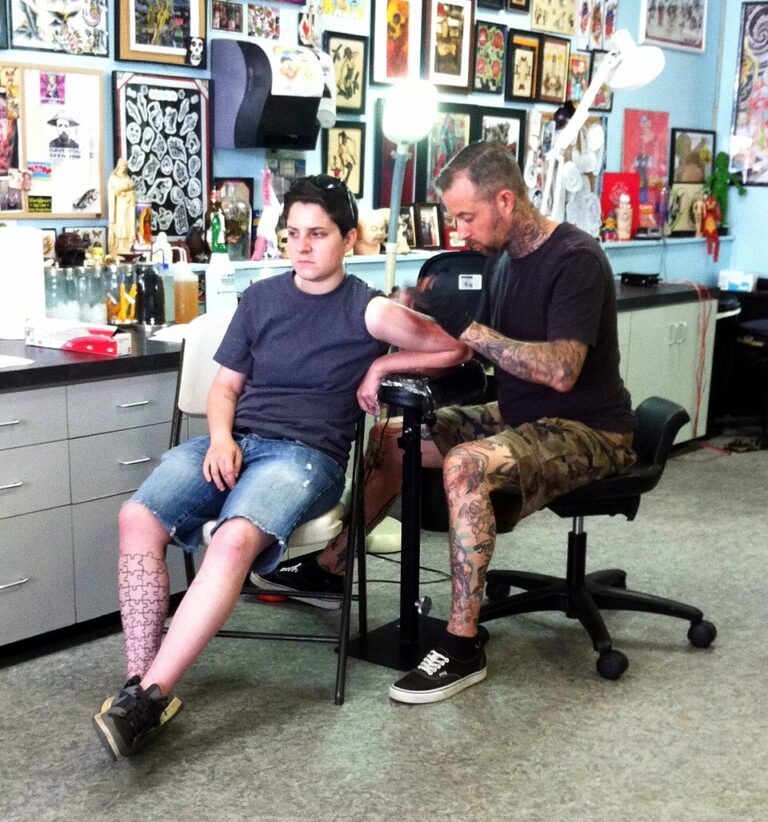
Never show up with tattoo numbing cream already applied without telling your artist. Some artists are happy to work with it, while others refuse because it can change how the skin feels and takes ink. Some report that numbed skin becomes slippery or puffy, which makes clean lines harder. Your artist may also have a product they prefer and know how their skin responds to it.
Ask about it when you book, not on the day. A good artist will explain their policy honestly.
How People Use It (General Guidance)
If both you and your artist agree to use a legal over the counter product, follow the label exactly. In general:
- Wash and dry the area; do not shave it yourself unless your artist asks.
- Apply the amount the label directs, only to the area being tattooed.
- Do not cover it with plastic wrap or dressings, following the FDA advice.
- Wait for the time the label states, then let your artist wipe it off before starting.
- Never apply extra product to a large area or to broken skin unless a medical professional has approved it.
Numbing usually lasts about one to two hours, so it is most useful for short sessions. Long pieces often become painful again halfway through.
Does It Affect Healing or Ink?
Most artists find that a quality product used correctly does not harm the final result. Problems usually come from heavy application that makes the skin swell or feel rubbery. Healing follows the normal timeline; see our tattoo healing process and tattoo aftercare guides.
Safer Ways to Reduce Tattoo Pain
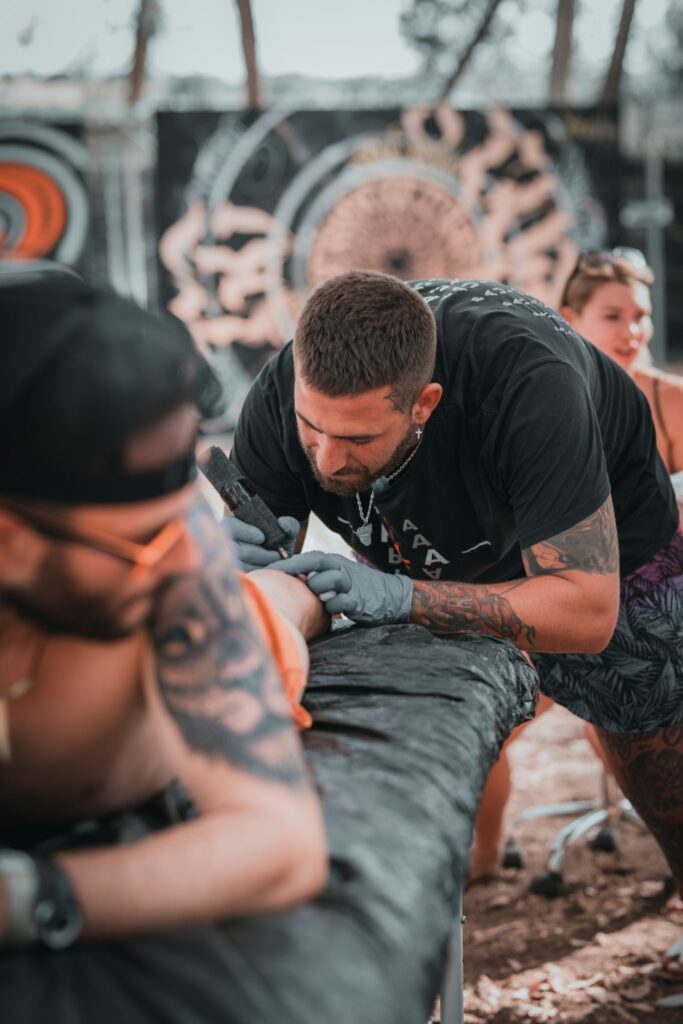
- Pick a less painful spot. The outer arm, outer thigh and calf hurt least. Our tattoo pain chart ranks every area.
- Sleep well and eat a proper meal before your session.
- Stay hydrated and skip alcohol for 24 hours before.
- Split large pieces into shorter sessions.
- Breathe slowly and ask for short breaks.
- Bring distractions such as music or a podcast.
- Choose an experienced artist with a light, efficient hand.
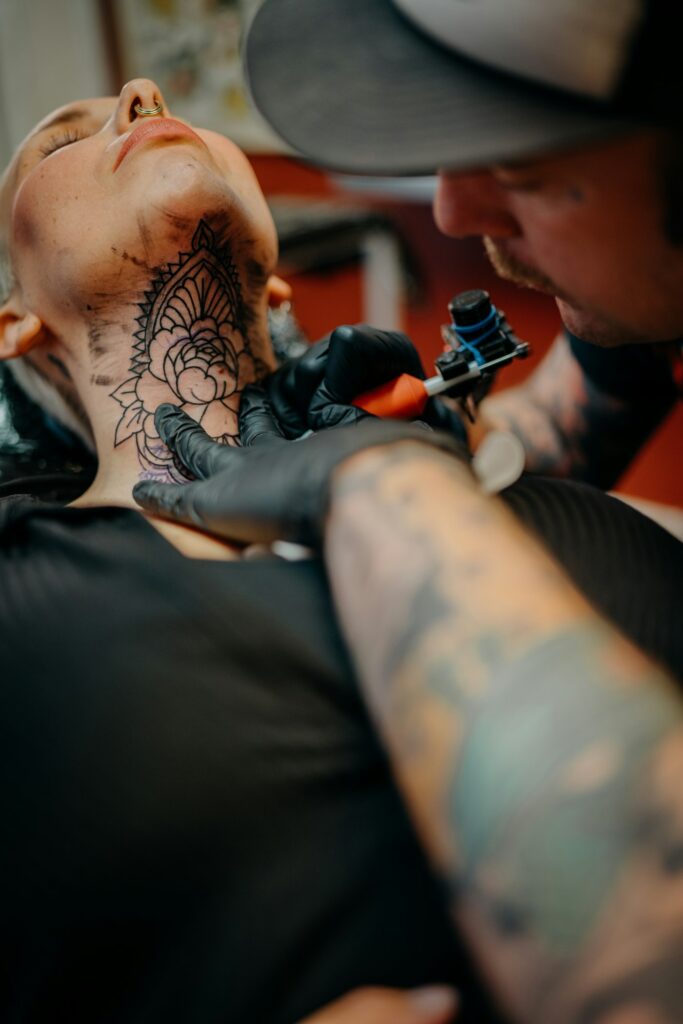
If you are nervous about your first tattoo, read our first tattoo tips. For many people, the fear before the session is worse than the actual feeling.
Frequently Asked Questions
Does tattoo numbing cream really work?
It can reduce pain, especially at the start of a session, but it rarely removes all sensation and usually wears off after one to two hours.
Should I wrap tattoo numbing cream in plastic?
No. The FDA advises against wrapping skin treated with over the counter pain relief products, because it increases absorption and the risk of side effects.
Can I use numbing cream on a large tattoo?
Applying anesthetic to large areas increases risk. Talk to a doctor and your artist before using any product on a big piece.
Will my artist let me use numbing cream?
Some will and some will not. Always ask when you book the appointment.
What is the most painful place to get a tattoo?
Ribs, spine, feet, hands, armpits and the inner elbow are usually the most painful.
Image Credits
All photos from Unsplash: Ana azuria, Point Normal, Guillaume Grimaud, GB The Green Brand and Janko Ferlic.