Tattoo Removal Cost: 7 Proven Tips to Save Money in 2026
Tattoo removal cost is one of the first questions people ask when a design no longer fits their life. The short answer: in the USA, most people pay a few hundred dollars per laser session and need several sessions, so the total often lands between $1,000 and $5,000. The real number depends on size, colors, ink depth, your skin and where you live. For how the process works from start to finish, read our complete tattoo removal guide.
This guide breaks down typical prices, what drives them up or down, how many sessions you may need, and 7 proven tips to save money without cutting corners on safety.
Table of Contents
Average Tattoo Removal Cost in the USA
Tattoo removal cost varies a lot between clinics, so treat these ranges as a starting point and always ask for a written quote after a consultation.
- Small tattoo (under 3 square inches): about $100 to $250 per session.
- Medium tattoo (3 to 10 square inches): about $200 to $450 per session.
- Large tattoo (half sleeve, back piece): about $400 to $900 or more per session.
- Total for full removal: commonly $1,000 to $5,000, and more for very large or colorful work.
Laser Tattoo Removal Cost per Session
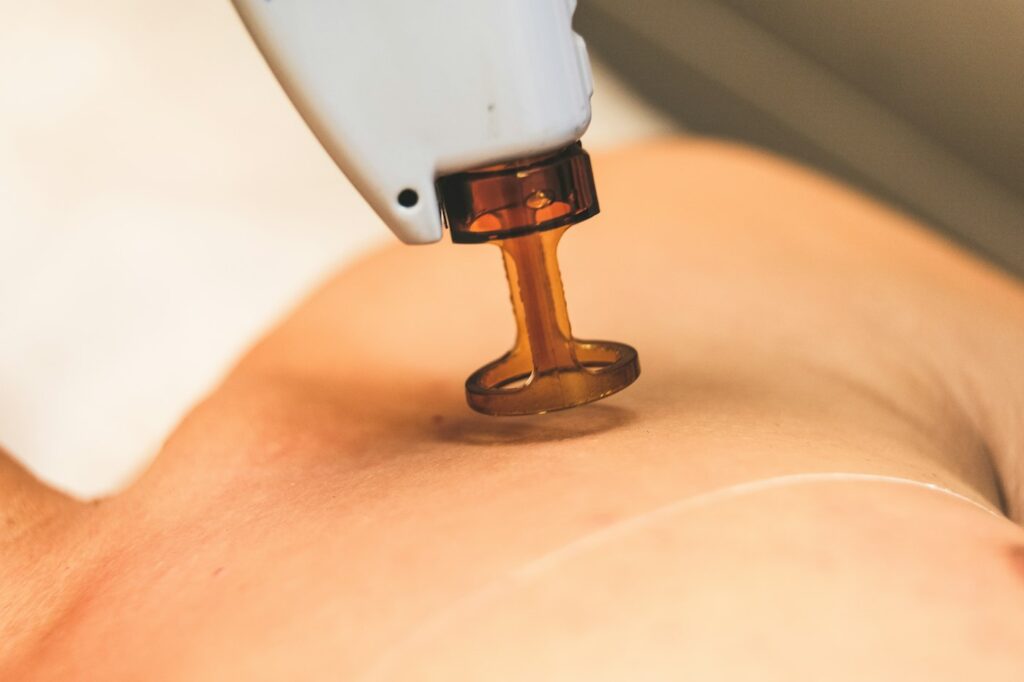
Laser tattoo removal cost is usually quoted per session and based on the size of the treated area. Many clinics price by square inch, while others use small, medium and large tiers. Newer picosecond lasers break ink into smaller particles and may need fewer sessions, but they often cost more per visit than older Q-switched lasers. Compare both in our guide to pico laser tattoo removal vs Q-switch.
According to the FDA, lasers cleared for tattoo removal are meant to be used by or under the supervision of a health care professional, and several treatments spaced weeks apart are normally required.
What Affects the Price?
- Size: bigger tattoos take longer and cost more per session.
- Colors: black and dark blue respond best. Green, red, yellow and light colors are harder and may need extra sessions or different lasers.
- Ink density: professional tattoos with packed, saturated ink usually need more sessions than lighter amateur work.
- Age of the tattoo: older tattoos have already faded a little and often clear faster.
- Location on the body: areas with good blood flow, like the chest and upper arm, clear faster than hands, ankles and feet.
- Your skin and health: skin tone, smoking and immune health all affect results.
- City and provider: clinics in big cities and dermatology practices usually charge more.
How Many Sessions Will You Need?
The number of sessions is the biggest factor in your total tattoo removal cost. Most tattoos need 5 to 10 sessions for full removal, and some need 12 or more. Sessions are usually spaced 6 to 8 weeks apart so the skin can heal and the body can flush away broken ink. That means full removal often takes one to two years. If you only want to lighten a tattoo for a cover up, 2 to 4 sessions may be enough, which cuts the cost a lot.

Other Tattoo Removal Options and Costs
- Surgical excision: the skin is cut out and stitched. It works for small tattoos in one visit and may cost a few hundred to a few thousand dollars, but it leaves a scar.
- Dermabrasion: sanding away the top layers of skin. It is less common today and can be painful with mixed results.
- Removal creams: not recommended. They are not approved for tattoo removal and can cause burns and skin reactions.
- Cover up tattoo: often the cheapest way to hide an old design, sometimes combined with a few laser sessions to lighten it first.
7 Proven Tips to Lower Your Tattoo Removal Cost
- Book a free consultation: most clinics offer one and will give you a session estimate.
- Ask about packages: buying several sessions at once is often cheaper per session.
- Consider lightening only: fewer sessions are needed if you plan a cover up.
- Compare providers: get two or three written quotes and ask what laser they use.
- Choose experience over the lowest price: a bad treatment can scar and cost more to fix.
- Follow aftercare carefully: good healing means better results per session.
- Use an HSA or payment plan only if eligible: removal is usually cosmetic and not covered by insurance, but many clinics offer monthly plans.
Does Laser Tattoo Removal Hurt?
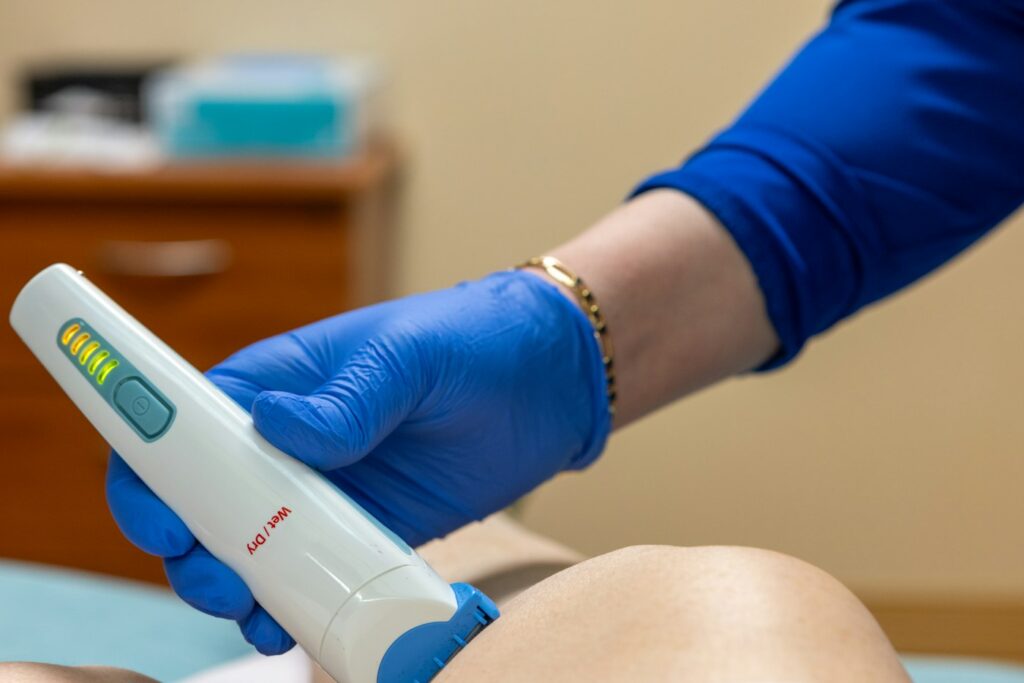
Most people say it feels like a rubber band snapping against the skin, often more intense than getting the tattoo, but each session is short. Clinics may use numbing cream or cooling air. Afterward, expect redness, swelling and sometimes blisters for a few days. The FDA notes possible risks include infection, scarring and changes in skin color, which is why choosing a qualified provider matters. To lower the risk of lasting marks, read our guide to avoiding tattoo removal scars.
Aftercare Between Sessions
Keep the area clean and dry, apply the ointment your provider recommends, do not pop blisters, and keep it out of the sun. Drinking water, staying active and not smoking can help your body clear ink faster. Many of the same habits from our tattoo aftercare guide apply here too.
Sample Tattoo Removal Cost Scenarios
To make the numbers easier to picture, here are three common examples. These are estimates only, and your quote may be higher or lower.
- Small black name on the wrist: around 5 to 7 sessions at $100 to $200 each, so roughly $500 to $1,400 in total.
- Medium color flower on the shoulder: around 8 to 10 sessions at $200 to $350 each, so roughly $1,600 to $3,500.
- Black and grey forearm half sleeve: around 8 to 12 sessions at $400 to $700 each, so roughly $3,200 to $8,400.
Dermatologist vs. Laser Studio
A board certified dermatologist usually charges more per session, but you get medical training, a full skin check and help if something goes wrong. Dedicated laser studios are often cheaper and very experienced with tattoos, but training standards vary from state to state. Whichever you choose, ask who performs the treatment, how many removals they do each month, which laser they use for your ink colors and whether they have before and after photos of real clients. A trustworthy provider will give you an honest laser tattoo removal cost estimate and will not promise complete removal in one or two visits.
Before You Decide: Fade, Remove or Cover?
Full removal is not the only path. If you still like tattoos but not this one, a skilled artist can often cover it with a darker, larger design after a few fading sessions. If you are planning your next piece, our tattoo ideas for men and tattoo ideas for women guides can help you pick a design you will love for years.
Frequently Asked Questions
How much does tattoo removal cost on average?
In the USA, a single laser session usually costs about $100 to $500 depending on size, and full removal commonly totals $1,000 to $5,000.
Is tattoo removal covered by insurance?
Usually not, because it is considered cosmetic. Coverage may apply only in rare medical cases, such as an allergic reaction to ink.
Can every tattoo be fully removed?
Many tattoos can be removed or faded a lot, but some colors and very dense ink may leave a light shadow. Thinking about a new design instead? Read our tattoo cost guide, our first tattoo tips and more advice in tattoo tips.