Tattoo Healing Process: 4 Stages and Best Tips for Fast Healing
The tattoo healing process takes longer than most people expect. The surface of a new tattoo usually looks healed in two to four weeks, but the deeper layers of skin keep repairing themselves for up to three months. Knowing what is normal at each stage helps you avoid panic over peeling and itching, spot real problems early and keep your new ink sharp for life.
This guide walks you through the 4 stages of healing, what to expect day by day, the best daily care routine, what slows healing down and the warning signs that mean you should call a doctor.
This article is for general information and is not medical advice. If you are worried about your tattoo, contact your artist or a healthcare provider.
Table of Contents
Why a New Tattoo Needs to Heal
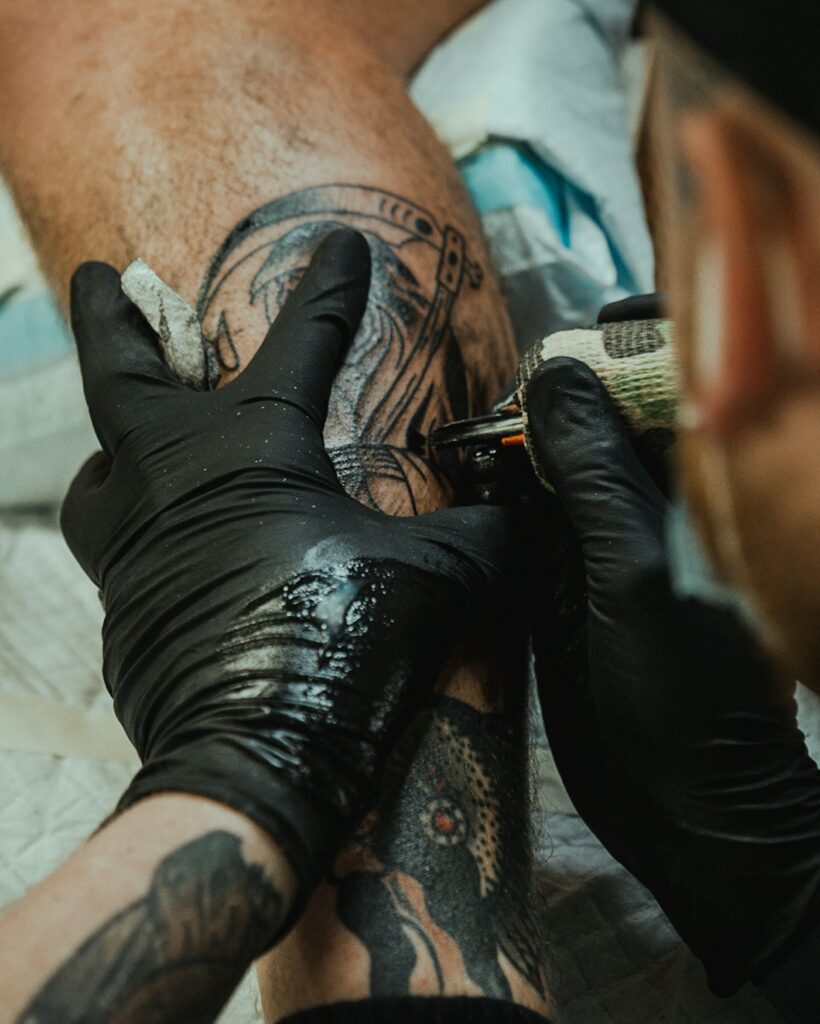
A tattoo machine pushes ink into the dermis, the layer of skin just under the surface, thousands of times per minute. That creates a large number of tiny wounds. Your body responds the way it does to any scrape: it sends blood and immune cells to the area, seals the surface, sheds damaged skin and rebuilds new tissue around the ink. The ink particles that stay trapped in the dermis are what you see as your finished tattoo.
The 4 Stages of the Tattoo Healing Process
Stage 1: Oozing and Inflammation (Days 1 to 3)
Right after your session the tattoo is an open wound. It will be red, a little swollen, warm to the touch and tender, a lot like a sunburn. It will also ooze clear plasma, a little blood and some excess ink. This is completely normal and usually slows down within 24 to 72 hours.
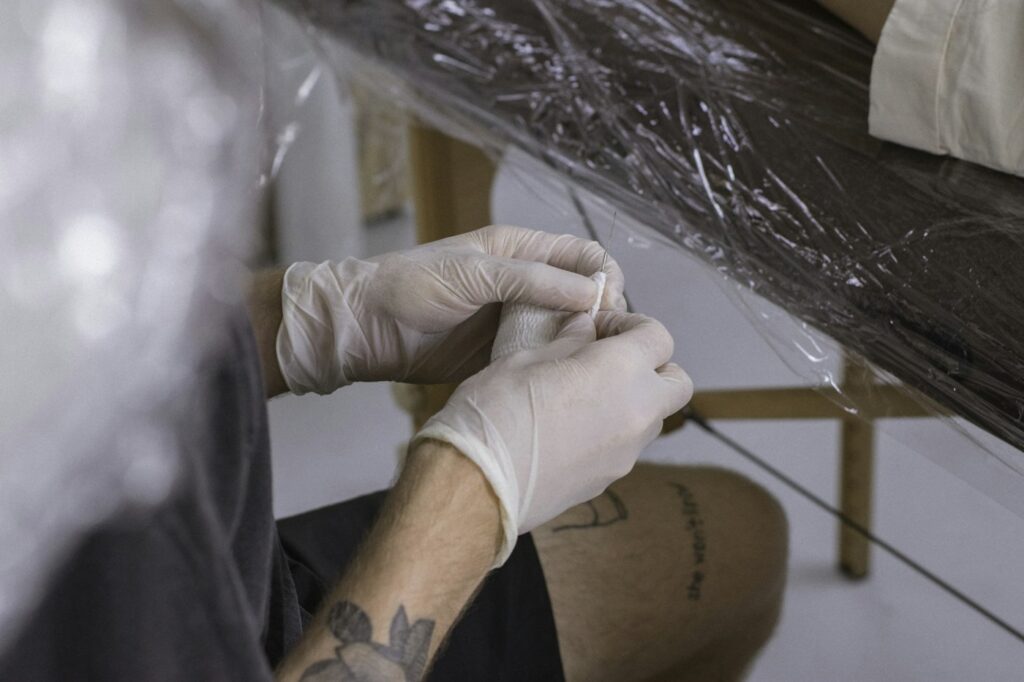
Your artist will cover the tattoo before you leave. A traditional plastic wrap or bandage usually stays on for a few hours. A clear adhesive film, often called second skin, can stay on for several days if your artist recommends it. Always follow your own artist's instructions, because they know the technique and products they used.
Stage 2: Itching and Light Flaking (Days 4 to 7)
At this point in tattoo healing, swelling and redness fade, and the skin starts to feel tight and itchy as new cells form. You may see a thin, shiny layer or light scabbing, especially on bold lines and color. Do not scratch. A gentle tap or a cool compress over clean skin can calm the itch.
Stage 3: Peeling (Days 7 to 14)
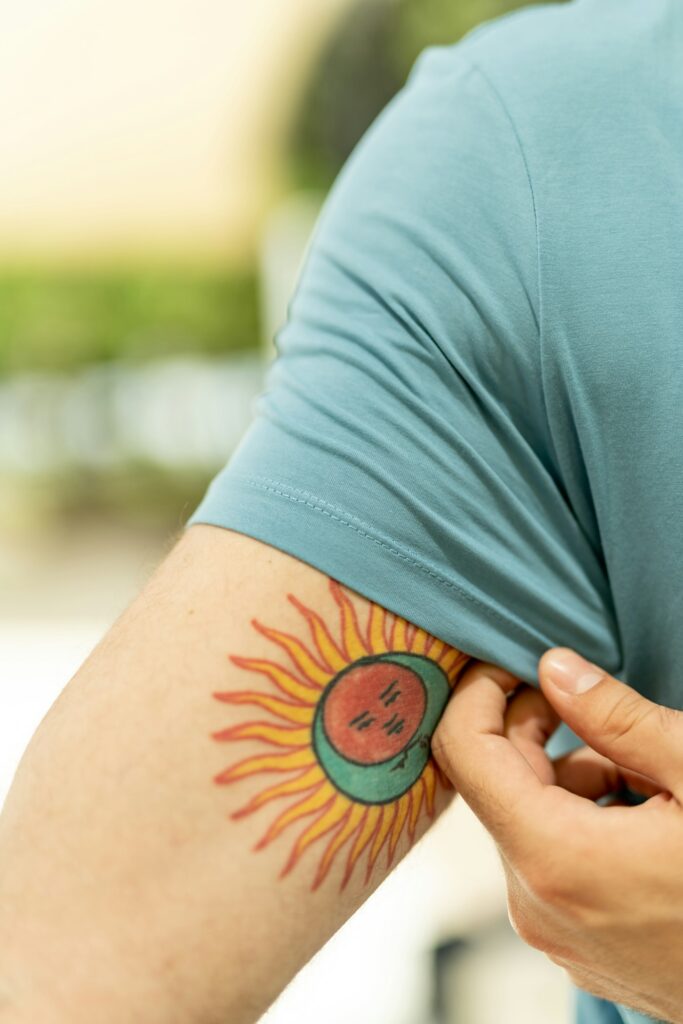
This is the stage of the tattoo healing process that worries most people. The tattoo flakes like a sunburn, and the flakes may carry colored ink with them. The design can look dull, patchy or milky. That cloudy look, sometimes called milk skin, comes from a thin layer of new skin over the ink and clears up over the next few weeks. Let the flakes fall off on their own.
Stage 4: Settling and Deep Healing (Week 3 to Month 3)
By the end of the third or fourth week of the tattoo healing process, the surface is usually closed, smooth and no longer shiny. Underneath, the skin is still rebuilding. Colors settle, lines sharpen and the tattoo reaches its true look. Most artists want to see the tattoo after four to eight weeks to decide if any small touch ups are needed.
Tattoo Healing Process Day by Day
- Day 1: red, swollen and oozing. Remove the wrap when your artist says, wash gently and apply a very thin layer of ointment.
- Days 2 to 3: oozing slows, the skin feels warm and tender. Keep washing two to three times a day.
- Days 4 to 6: tightness and itching begin. Switch to a light, fragrance free lotion if your artist recommends it.
- Days 7 to 10: peeling and flaking. The tattoo may look faded. Keep moisturizing lightly and do not pick.
- Days 11 to 14: most flakes are gone. Some shine and cloudiness may remain.
- Weeks 3 to 4: the surface is healed for most small and medium tattoos. You can usually swim and go in the sun with sunscreen after checking with your artist.
- Months 2 to 3: the deeper skin finishes healing and the tattoo looks its best.
Your Daily Aftercare Routine
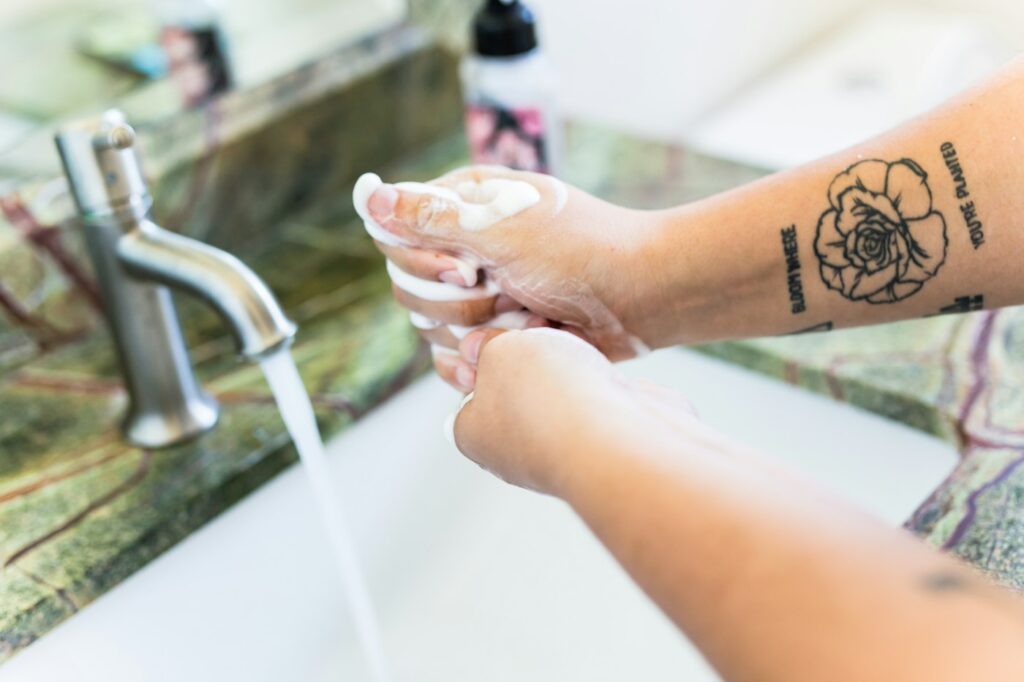
- Wash your hands first with soap and water every time before touching the tattoo.
- Clean the tattoo two to three times a day with lukewarm water and a mild, fragrance free soap. Use your fingertips, not a washcloth or sponge.
- Pat it dry with a clean paper towel. Bath towels can hold bacteria and snag flakes.
- Let it air dry for a few minutes before moisturizing.
- Apply a very thin layer of ointment in the first days, then a fragrance free lotion. The tattoo should look slightly moist, never greasy or shiny with product.
- Wear loose, clean clothing over the area and change your bed sheets often.
The American Academy of Dermatology recommends keeping a new tattoo clean, moisturized and out of the sun and water while it heals. For product advice and a full step by step plan, see our tattoo aftercare guide.
What to Avoid While Your Tattoo Heals
- Soaking: no baths, pools, hot tubs, lakes or oceans for at least two to three weeks. Short showers are fine.
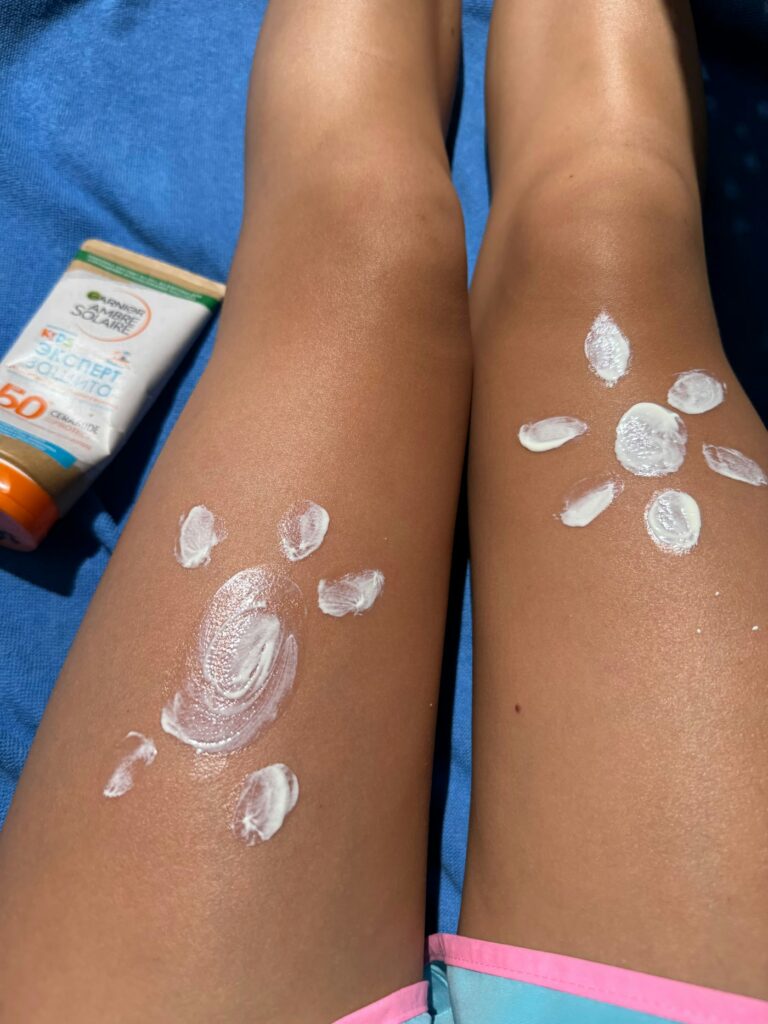
- Sun: keep it covered. Do not use sunscreen on broken skin; start using it once the tattoo is fully healed.
- Picking and scratching: pulling scabs can remove ink and leave light spots or scars.
- Heavy workouts: sweat and friction irritate fresh skin. Take it easy for the first few days and clean gym equipment.
- Tight clothes: they rub and stick to the tattoo.
- Too much product: thick layers of ointment can trap moisture and clog the skin.
- Alcohol and smoking: both can slow healing.
What Affects the Tattoo Healing Process?
- Size and style: large pieces with heavy color or solid black take longer than small fine line tattoos.
- Placement: hands, feet, fingers, elbows and knees move and rub constantly, so they heal slower. See our hand tattoo guide for tips.
- The artist's technique: a heavy hand causes more trauma and more scabbing.
- Your health: diabetes, immune conditions, some medicines and poor sleep can slow healing.
- Aftercare: consistent, gentle care is the single biggest factor you control in tattoo healing.
Normal Tattoo Healing vs. Signs of a Problem
Mild redness, swelling, oozing, itching, flaking and a cloudy look are all part of normal tattoo healing. Contact a doctor if you notice any of the following:
- Redness or swelling that spreads or gets worse after day three.
- Pain that increases instead of improving.
- Yellow or green pus, or a bad smell.
- Red streaks spreading from the tattoo.
- Fever, chills or feeling unwell.
- A bumpy, very itchy rash, especially in red ink, which can signal an allergic reaction.
According to the FDA, tattoos can lead to infections and allergic reactions, and problems can be reported to the agency. Do not try to treat a suspected infection on your own with random creams. Early treatment usually clears things up quickly.
How to Tell When Your Tattoo Is Fully Healed
- The skin is smooth and no longer raised when you run a finger over it.
- There is no shine, flaking, scabbing or tenderness.
- The colors look clear rather than cloudy.
- The tattoo no longer itches.
Once tattoo healing is complete, protect it with a broad spectrum sunscreen of SPF 30 or higher whenever it is exposed. Sun is the main reason tattoos fade and blur over time.
How Long Does Tattoo Healing Take? Healing Time by Placement
Where you put your tattoo changes how long the tattoo healing process takes. These are typical surface healing times for a small to medium piece:
- Upper arm, shoulder and calf: about 2 to 3 weeks.
- Back, chest and thigh: about 2 to 4 weeks, longer for large pieces.
- Ribs and stomach: about 3 to 4 weeks, since the skin stretches with every breath.
- Wrist, elbow and knee: about 3 to 4 weeks because joints bend all day.
- Hands, fingers and feet: about 3 to 6 weeks, and fading is more common.
Second Skin vs. Plastic Wrap
Many studios now use a clear, breathable adhesive film instead of plastic wrap. It lets the tattoo heal in its own fluids during the first days, which can mean less scabbing and a smoother tattoo healing process. Fluid will collect under the film at first; that is expected. Remove it slowly in a warm shower, pulling it back along the skin rather than straight up. If the edges leak, the skin gets very red around the film or you feel burning, take it off early and switch to regular washing. Plastic wrap is simpler and cheaper, but it should come off after a few hours because it does not breathe. Read our full second skin tattoo guide for step by step instructions.
Sleeping With a Fresh Tattoo
Nights are when most accidental damage happens. Sleep on clean sheets, wear loose cotton clothes over the tattoo and try not to lie directly on it for the first few nights. If the tattoo sticks to your sheets in the morning, do not rip them off; wet the fabric with lukewarm water until it releases. Keep pets off the bed until the tattoo healing is well underway.
Does Color or Black Ink Heal Differently?
Black and grey line work usually heals fastest. Solid black fill and saturated color need more passes of the needle, so they tend to weep longer, form thicker flakes and take a few extra days to settle. Red and some bright pigments are more likely to cause allergic reactions, which may appear weeks or even months later as raised, itchy skin in that color only. White ink often looks strong on day one and then softens as it heals.
When to Get a Touch Up
Wait until the tattoo is fully healed, usually four to eight weeks, before judging the result. Small light spots in lines or color are common, especially on hands, feet and areas that were rubbed during healing. Most artists offer a free or low cost touch up within the first few months. If the tattoo healed with raised lines or scarring, talk to your artist or a dermatologist before adding more ink. Planning your next piece? Our tattoo cost guide and tattoo pain chart can help.
Frequently Asked Questions
How long does the tattoo healing process take?
The surface usually heals in two to four weeks, and the deeper skin takes about two to three months to fully recover.
Is it normal for my tattoo to look faded while healing?
Yes. During tattoo healing, a thin layer of new skin makes the tattoo look dull or milky during peeling. It usually clears up within a few weeks.
When can I shower after a tattoo?
You can usually take a short, lukewarm shower the same day or the next day, once your artist says the wrap can come off. Avoid soaking in baths.
When can I go swimming?
Wait until the tattoo is fully healed, usually at least two to three weeks and longer for large pieces, to lower the risk of infection.
Do fine line tattoos heal faster?
Small fine line tattoos often heal a little faster because they cause less trauma, but they still need the same care. Learn more in our fine line tattoos guide, and check our first tattoo tips and more tattoo tips.