Tattoo Styles: The Complete 2026 Guide to Choosing Your Perfect Look
Choosing a design is only half of planning a tattoo. The other half is choosing the style: the visual language that decides how thick the lines are, how the shading looks, which colors are used and how the piece will age. Two roses drawn in different tattoo styles can feel like completely different tattoos. Every style starts with a tattoo stencil that maps the design on your skin.
This guide walks through the major tattoo styles you will see in studios across the United States today, from classic American traditional to realism, fine line and blackwork. For each style you will learn what defines it, who it suits, how it ages and where to see more examples on our site.
Table of Contents
Tattoo Style Names: 21 Types of Tattoo Styles at a Glance
If you just need the names of the different tattoo styles, here is the quick list. Each style is explained in more detail further down, with tips on how it ages and who it suits.
- American Traditional - bold black outlines, a limited palette of red, green, yellow and black, classic flash like roses, eagles and swallows.
- Neo Traditional - traditional outlines with richer colors, more detail and varied line weight.
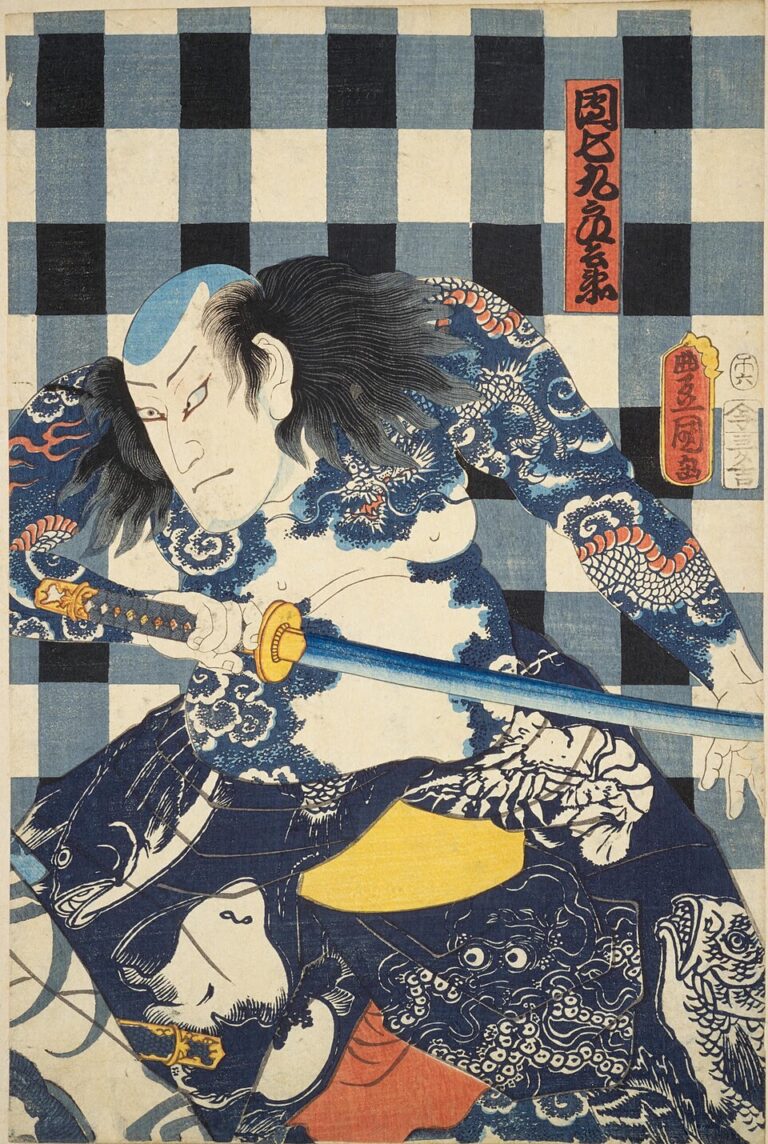
- Japanese (Irezumi) - large flowing pieces with koi, dragons, peonies and wind bars, often as sleeves or back pieces.
- Tribal - solid black patterns rooted in Polynesian, Maori and Bornean traditions.
- Black and Grey - shading in diluted black ink only, smooth and soft.
- Realism - portraits and objects that look like photographs.
- Fine Line - thin single needle lines and delicate detail.
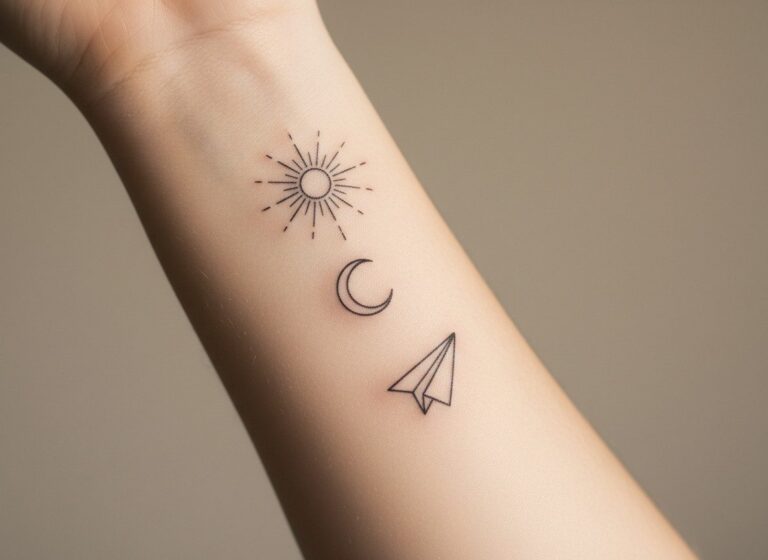
- Minimalist - tiny, simple symbols with lots of open skin.
- Linework - designs made only of clean outlines, no shading.
- Blackwork - heavy areas of solid black ink and bold graphic shapes.
- Geometric - sacred geometry, shapes and symmetry.
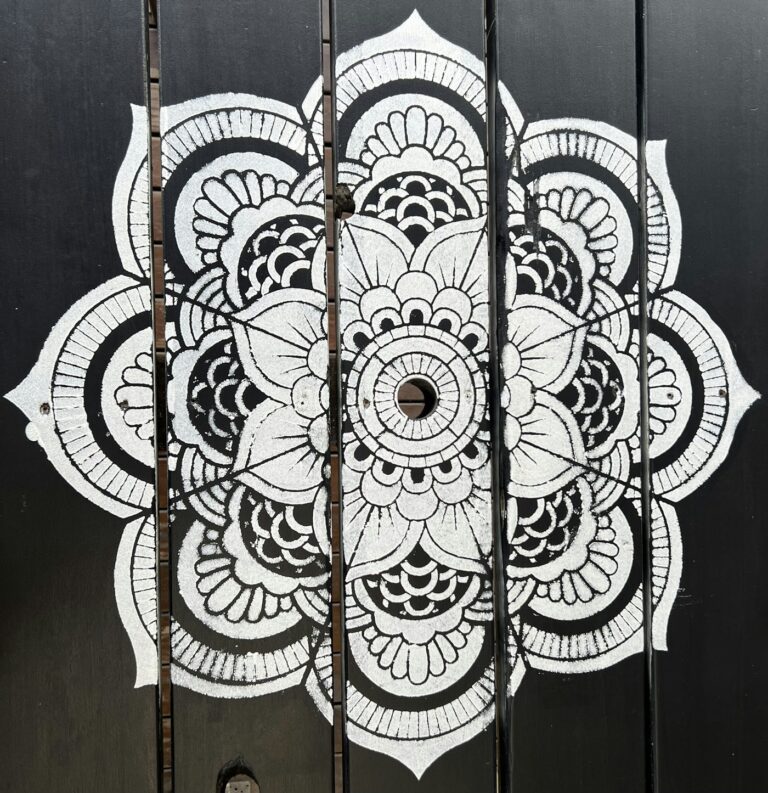
- Dotwork - shading built from thousands of tiny dots, common in mandalas.
- Illustrative - looks like an etching or a drawing from a storybook.
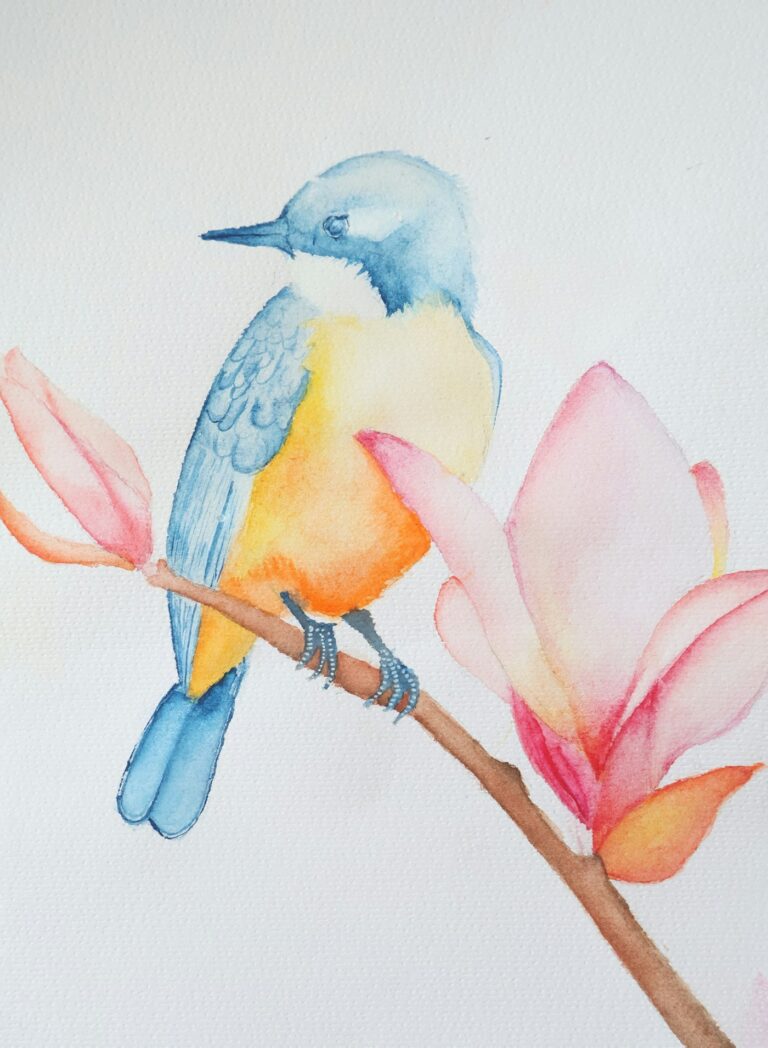
- Watercolor - soft color splashes and washes without hard outlines.
- Floral and Botanical - realistic or fine line flowers and plants.
- Trash Polka - realism mixed with black and red abstract strokes and text.
- New School - cartoon like, exaggerated shapes and bright colors.
- Chicano - fine black and grey script, portraits and religious imagery from Los Angeles culture.
- Lettering and Script - names, dates and quotes in custom fonts.
- Biomechanical - skin that seems torn open to reveal machine parts.
- Ornamental - lace, jewelry and pattern inspired designs.
Popular tattoo styles in 2026 are fine line, minimalist, black and grey realism and American traditional, but new tattoo styles keep appearing as artists mix techniques. Many pieces combine two or more types of tattoo styles, such as a fine line flower with a watercolor wash.
Why Tattoo Styles Matter
Most artists specialize in one or two tattoo styles. Knowing the name of the look you want helps you find the right artist, explain your idea clearly and set realistic expectations about size, price and aging. Bold styles hold up for decades, while delicate styles may need touch ups and more space.
Classic Tattoo Styles
American Traditional
Also called old school, American traditional uses heavy black outlines, a limited palette of red, yellow, green and black, and iconic images such as eagles, roses, daggers, anchors and swallows. It is one of the most durable tattoo styles because bold lines and solid color stay readable for life. Explore our American traditional tattoos guide and the history of traditional tattoo flash.
Neo Traditional
Neo traditional keeps the bold outlines of the classic style but adds a wider color palette, varied line weights, more depth and decorative details such as jewels, ornate frames and flowers. Portraits of women and animals are especially popular.
Japanese (Irezumi)
Japanese tattoos are large, flowing compositions of dragons, koi, tigers, peonies and waves, often designed to cover a full back, sleeve or bodysuit. Backgrounds of wind bars and clouds tie the whole body together. Read our Japanese tattoo ideas for meanings and examples.
Tribal
Tribal tattoos use solid black shapes inspired by Polynesian, Maori, Bornean and other indigenous traditions. Modern tribal ranges from 1990s style armbands to authentic cultural work done by practitioners of those cultures. Learn more in our tribal tattoo guide.
Realistic Tattoo Styles
Black and Grey
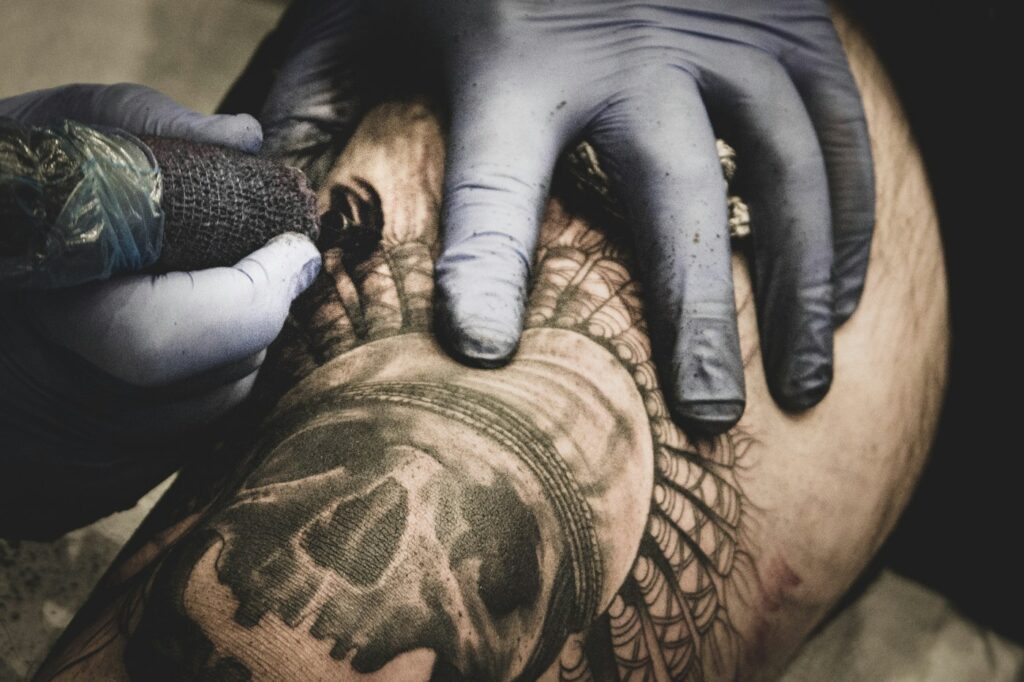
Black and grey tattoos use black ink diluted into many shades of grey for smooth gradients. The style grew out of Chicano culture in Los Angeles and is now used for skulls, religious imagery, lettering and realistic scenes. It ages well and suits almost every skin tone.
Realism
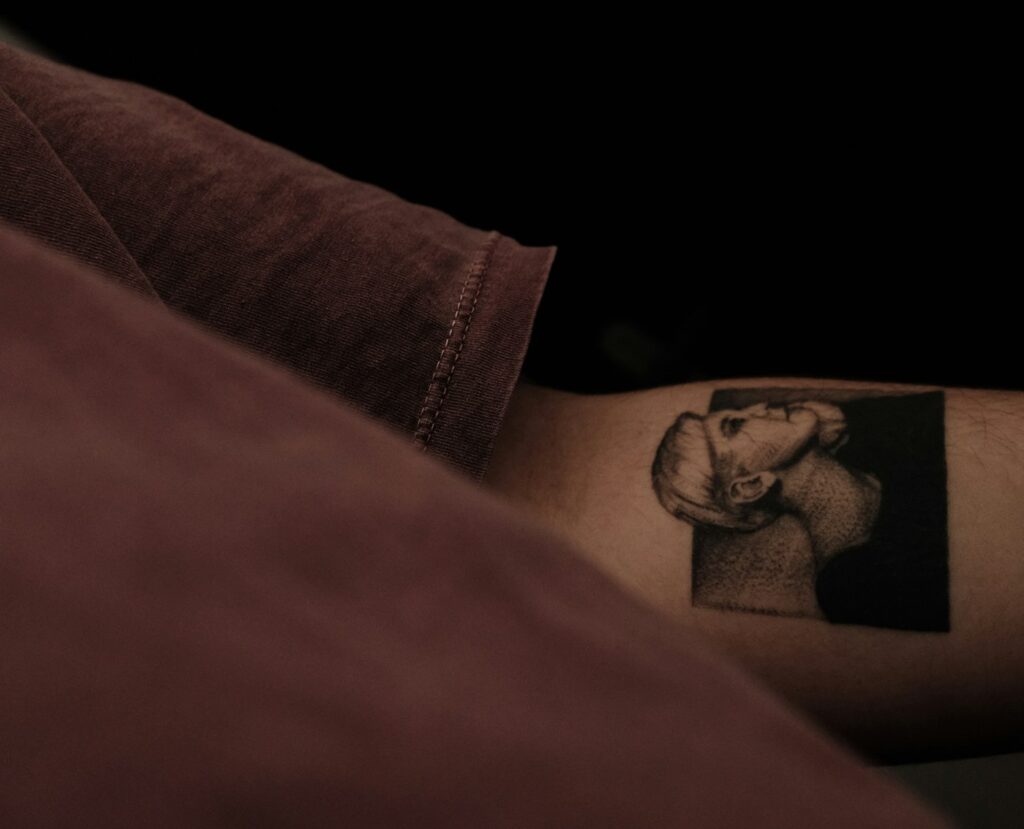
Realism aims to look like a photograph on skin, whether it is a portrait of a loved one, a pet or a landscape. It requires a highly skilled artist and enough size for detail. Always check healed realism work, because soft shading can blur if the tattoo is too small.
Line Based Tattoo Styles
Fine Line
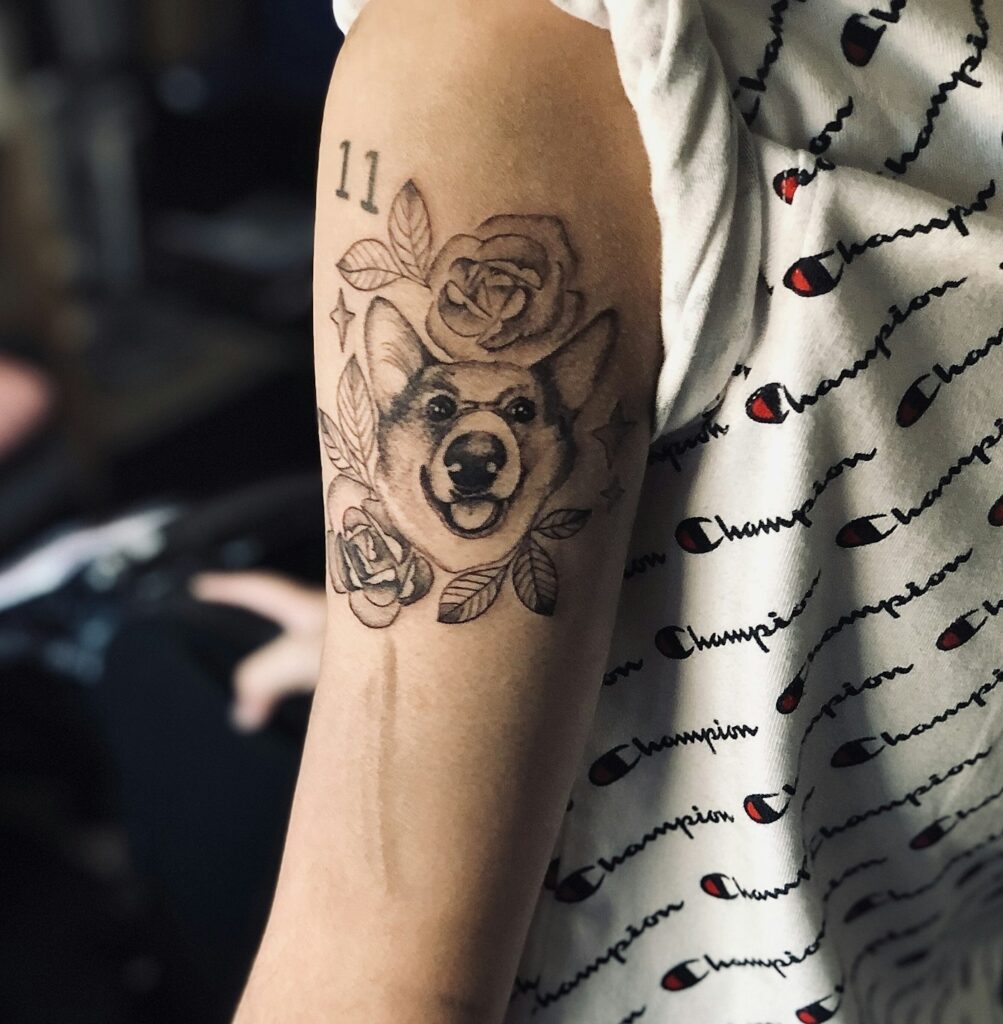
Fine line tattoos use single needles or very small groupings for delicate, detailed work. They are popular for florals, script and small symbols. Fine line looks elegant but can fade or blur faster, so choose an experienced specialist. See our guide to fine line tattoos.
Minimalist
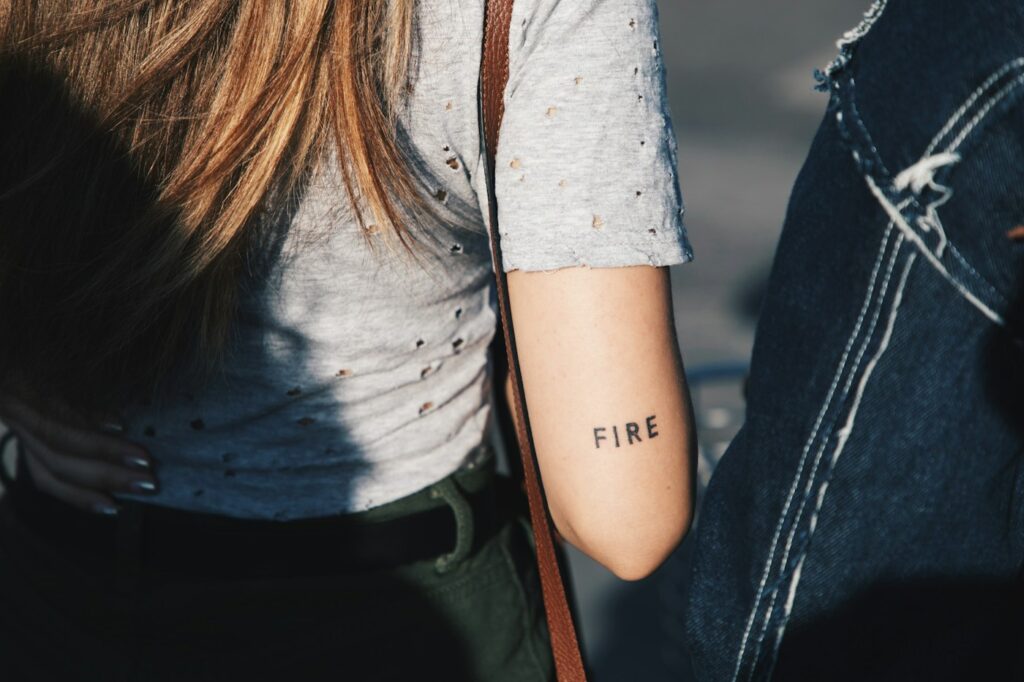
Minimalist tattoos strip a design to its simplest form: a single word, a small outline, a few dots. They are a favorite first tattoo. Browse our small tattoo ideas for inspiration.
Linework and Blackwork
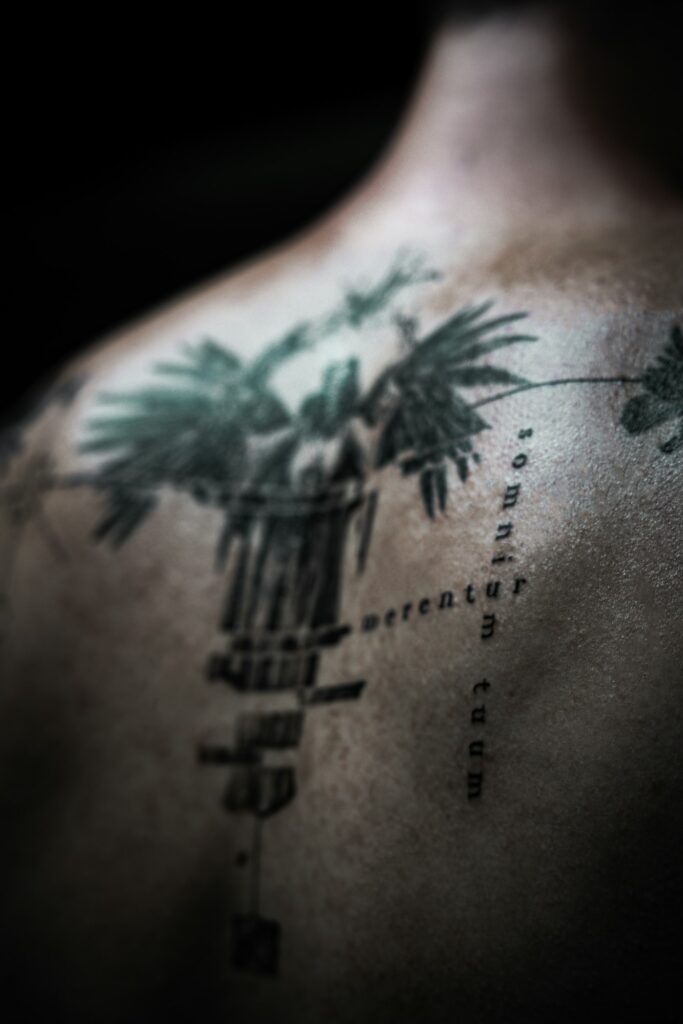
Blackwork uses only black ink, from bold solid fills to intricate patterns, while linework focuses on clean outlines with little or no shading. Both are graphic, striking and very durable. Read our blackwork tattoo guide.
Geometric and Dotwork
Geometric tattoos use sacred geometry, mandalas, polygons and precise lines, while dotwork builds shading from thousands of small dots. They are often combined for a hypnotic, balanced look. See our geometric tattoo guide.
Artistic and Color Tattoo Styles
Illustrative
Illustrative tattoos look like drawings from a sketchbook or a storybook, mixing linework, shading and color. The style is broad and personal, covering everything from botanical drawings to comic inspired scenes.
Watercolor
Watercolor tattoos imitate paint with soft color washes, splashes and drips, often without black outlines. They are beautiful but can fade faster, so many artists add a black structure to help them last. See our watercolor tattoo guide.
Floral and Botanical
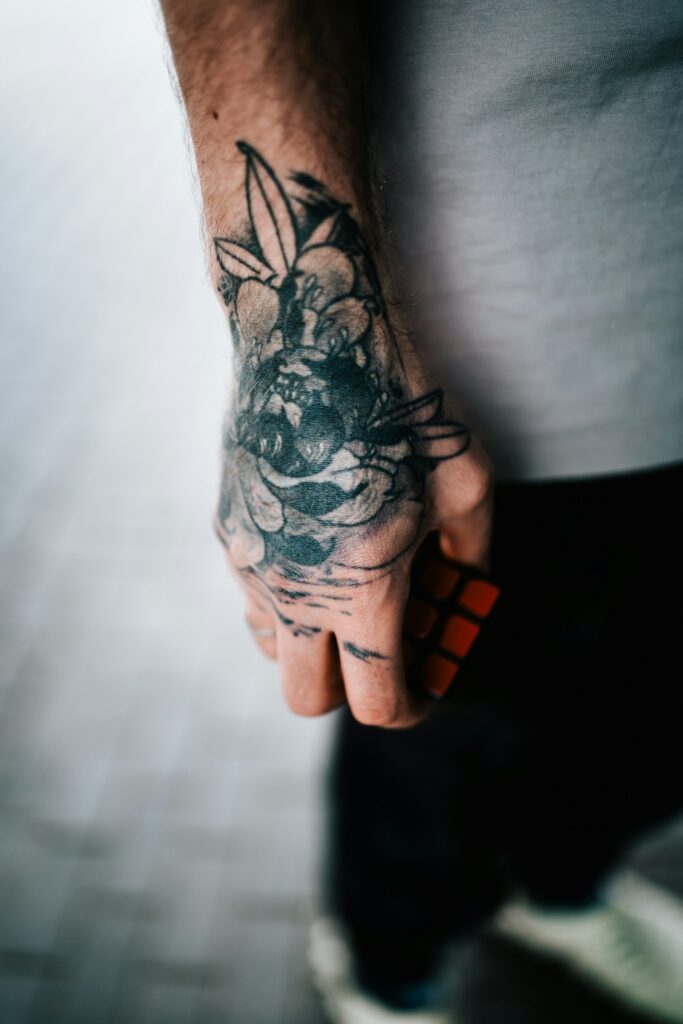
Flowers appear in almost every style, but floral tattoos have become a genre of their own, from bold traditional roses to delicate botanical illustrations. Discover meanings in our flower tattoos for women and rose tattoo meaning articles.
Trash Polka and New School
Trash polka, created in Germany, mixes realistic images with bold red and black brush strokes, text and collage elements. New school uses exaggerated cartoon shapes and very bright colors. Both are loud, playful tattoo styles for people who want something unusual.
More Tattoo Styles Worth Knowing
Chicano
Born in the Mexican American communities of Los Angeles, Chicano tattooing uses fine black and grey shading, elegant script, religious imagery, portraits and symbols of family and neighborhood pride. It is deeply cultural, so choose an artist who respects and understands its roots.
Lettering and Script
Lettering is a style of its own, from bold blackletter to flowing cursive. Good lettering artists design custom letterforms that fit the body and stay readable as the skin ages. Keep letters large enough and avoid tiny fonts.
Biomechanical
Biomechanical tattoos make it look as if the skin has been torn open to reveal machine parts, pistons and cables underneath. Inspired by the art of H. R. Giger, the style needs large placements and an artist skilled in 3D shading.
Ornamental
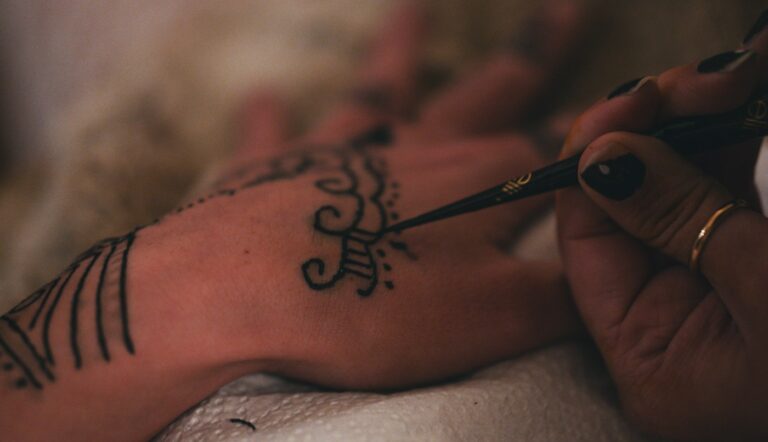
Ornamental work borrows from jewelry, lace, henna and architectural patterns to decorate the body with symmetrical designs. It often follows the natural lines of the spine, sternum, hands or thighs. If you love temporary ornamental art, see our henna tattoo guide.
Hand Techniques
Some styles are defined by how they are made rather than how they look. Hand poked tattoos, created without a machine, have a soft, textured look. Read about them in our stick and poke tattoo guide, and learn how machines differ in our tattoo gun article.
How to Choose the Right Style
- Think about aging: bold tattoo styles such as traditional and blackwork last longest; fine line and watercolor need more care.
- Consider size: realism and Japanese work need space; minimalist and fine line suit small areas.
- Match your personality: classic, modern, delicate, bold or playful.
- Look at healed work: ask artists for photos of tattoos that are at least a year old.
- Choose a specialist: find an artist whose portfolio is mostly in the style you want.
- Plan for the future: if you want a sleeve later, pick styles that blend together.
Once you know your style, our tattoo placement guide and first tattoo tips will help with the next steps. For a deeper look at the history of tattooing, the Smithsonian has excellent resources.
Frequently Asked Questions
What is the most popular tattoo style?
Fine line, black and grey realism and American traditional are among the most requested tattoo styles in the US today.
Which tattoo style lasts the longest?
Bold styles with thick black outlines, such as American traditional, tribal and blackwork, age the best.
Can you mix tattoo styles?
Yes. Many artists blend styles, such as realism with geometric elements, but ask for an artist confident in both.
Which style is best for a first tattoo?
Minimalist, fine line or a small traditional piece are popular first choices because they are quick and affordable.
What style is best for a cover up?
Dark, bold styles such as blackwork, Japanese and traditional hide old ink best. See our cover up tattoo ideas.
Image Credits
All photos from Unsplash: James Lee, Gino Castillo, Feliphe Schiarolli, Skyler H, CJ Dayrit, Indre Ioana, Onur Senay and Vitalii Khodzinskyi.